
Garen met Silk
Cocoon fibre that brings lustre and movement to knitting yarn
- Animal protein fibre
- Cocoon origin
- Reeled and spun silk
- Natural lustre
- Silk blends
Silk yarn is made from fibre produced by silkworms as they form their cocoons. In knitting and crochet, silk is valued for its lustre and the movement it can bring to a fabric. It appears as a pure yarn, as part of a wool or cashmere blend and as a fine structural strand in some fluffy yarns. Those uses are quite different, so knowing that a yarn contains silk is only the beginning of a useful comparison.
Lees meer over silk →Minder tonen
From cocoon filament to textile yarn
Silk production links the raising of silkworms with the preparation of their cocoons. In reeling, filaments from suitable cocoons are combined to form a continuous thread. Silk can also be spun from shorter material, including fibres recovered during processing and cocoons unsuitable for continuous reeling.
That distinction affects texture. Spun silk does not necessarily have the same smoothness or sheen as reeled silk, and shorter fibres can produce a more visible surface with wear. Both are silk. A yarn description that includes the production method gives you more information than a fibre percentage by itself.
The role of silk in a blend
Silk can contribute lustre and drape, while another fibre provides a different surface or balance of properties. In a brushed mohair-and-silk yarn, for example, the mohair halo and the underlying structure work together. Replacing it with a smooth silk yarn would change the fabric even if you could reach the same stitch count.
For substitution, identify what the silk is doing in the original yarn. Does the design depend on flowing drape, a glossy stitch surface or a fine strand supporting a halo? Compare construction and total length, and sample any strands held together as a combination. Wash the swatch using the label's method before checking dimensions. For garments with weight hanging from the shoulders, assess how the fabric moves and extends as well as how it looks laid flat.
- Garens
- 31
- 3 puur (≥90 %)
- Stekenverhouding
- 16–30
- st. / 10 cm
- Breinaalden
- 2,5–5,5 mm
- Gebruikelijke looplengte
- 600 m
- per 100 g
Vaak gemengd met
Merken met garens met silk
Alle garens met silk
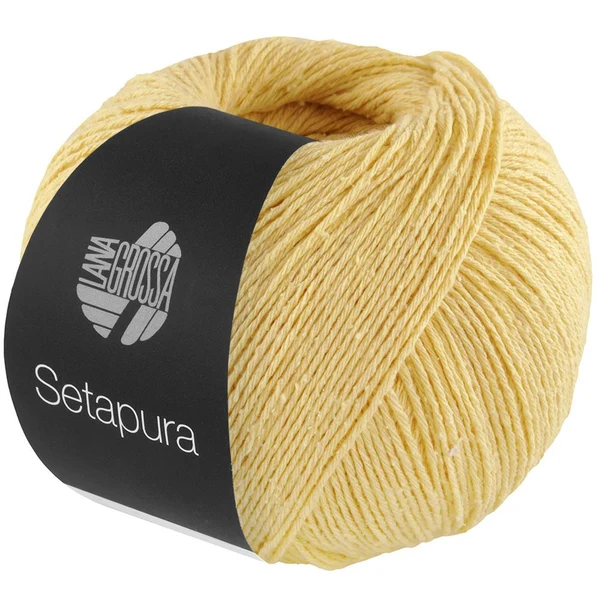
Lana Grossa
Setapura
100% zijde
- 24
- st.
- 400
- m/100g
- 4–4
- mm
Lana Grossa
Natural Superkid Tweed
60% mohair · 30% zijde · 7% katoen · 3% polyester
- 21
- st.
- 400
- m/100g
- 5
- mm

Noro
Haunui Silk
65% wol · 35% zijde
- —
- st.
- 220
- m/100g
- 5–5
- mm
Järbo
Fin Mohair Silke
72% mohair · 28% zijde
- 24
- st.
- 840
- m/100g
- 4
- mm

Noro
Kompeito
35% zijde · 35% katoen · 30% nylon
- —
- st.
- 300
- m/100g
- 4–5
- mm

Gabo Wool
Baby Silk Yak
42% alpaca · 35% zijde · 13% merino · 10% yak
- 20
- st.
- 800
- m/100g
- 3–5
- mm

Noro
Akari
26% zijde · 21% katoen · 15% viscose · 14% mohair · 12% wol · 12% nylon
- —
- st.
- 243
- m/100g
- 5–6
- mm
DROPS Design
Kid-Silk
75% mohair · 25% zijde
- 26
- st.
- 840
- m/100g
- 4–5
- mm
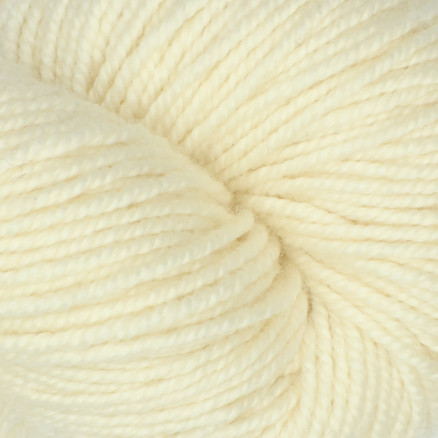
Symfonie Yarns
By KnitPro Luna
75% merino · 25% zijde
- 22
- st.
- 182
- m/100g
- 4
- mm
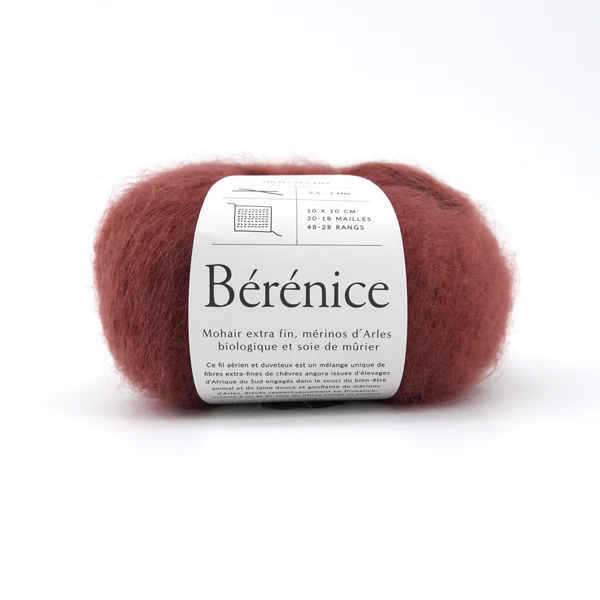
De Rerum Natura
Bérénice
55% mohair · 25% zijde · 20% merino
- 30
- st.
- 840
- m/100g
- 3–5
- mm

Gepard Garn
Wild and Soft
60% merino · 40% zijde
- 28
- st.
- 480
- m/100g
- 3–4
- mm
Sandnes Garn
Tynn Silk Mohair
57% mohair · 43% zijde
- 26
- st.
- 840
- m/100g
- 3–4
- mm
Vragen over garen met silk
Onderhoud, stekenverhouding en tips voor het vervangen van garen voor silk, gecombineerd met actuele gegevens uit onze catalogus.
Is silk a plant fibre?+
No. Silk is an animal protein fibre produced by silkworms. Its smoothness and sheen do not make it the same material as plant-based cellulose fibres or manufactured viscose.
What is the difference between spun and reeled silk?+
Reeled silk uses continuous cocoon filaments combined into thread. Spun silk uses shorter fibres prepared and twisted into yarn. They can differ in sheen and surface, so the production method matters when seeking a close substitute.
Does silk yarn have to look shiny?+
No. Fibre length, processing, twist and the other fibres in a blend influence its appearance. A spun silk can have a more textured surface than a smooth reeled yarn, and a fluffy blend may show its halo more than its silk.
Can I replace a silk-mohair yarn with pure silk?+
Pure silk will not supply the mohair halo. If the original is held with another yarn, test the entire proposed combination. Compare the fabric's fullness, surface and gauge before deciding whether the change suits the design.