Garen met Bamboo
A yarn-label name worth understanding, from plant source to finished fibre
- Check fibre type
- Often bamboo viscose
- Regenerated cellulose
- Cotton blends
- Smooth yarn options
Bamboo yarn is a familiar name in knitting and crochet, but it needs a closer reading than the name suggests. Many yarns sold under this heading contain viscose made using bamboo as the cellulose source. That is a manufactured, regenerated cellulose fibre, rather than fibre simply extracted from the plant and spun in the way cotton or linen is. The distinction helps you compare products accurately and understand what the composition label is telling you.
Lees meer over bamboo →Minder tonen
From plant source to regenerated fibre
Bamboo can supply the cellulose used to make viscose. The cellulose is processed and regenerated into fibres before those fibres become yarn. Directly processed bamboo fibre also exists, but it should not be assumed to be the material in every product called bamboo yarn.
The US Federal Trade Commission distinguishes actual bamboo fibre from rayon or viscose made from bamboo. Its guidance also cautions against assuming that properties of the living plant, such as resistance to bacteria, survive the conversion into rayon. A plant source by itself does not establish that the finished yarn is antibacterial or environmentally preferable.
Reading a bamboo yarn for your project
Start with the manufacturer's full fibre description. Hobbii Rainbow Bamboo, for example, specifies 60% bamboo viscose and 40% cotton. The named plant source and the regenerated fibre type are both useful information, while the cotton is a separate component of the blend.
For a smooth garment yarn, assess drape and stitch structure with a washed sample. Do not assume the same spring as a wool yarn, particularly when adapting fitted ribbing or a sweater that carries weight at the shoulders. Compare actual gauge, metres per gram and the full blend, including any supporting fibres. Follow the product's care instructions, since the word bamboo does not establish how to wash or dry the finished piece. A substitute should match the fabric you need and the role of the original yarn, as well as its advertised plant origin.
- Garens
- 18
- 0 puur (≥90 %)
- Stekenverhouding
- 16–28
- st. / 10 cm
- Breinaalden
- 2,5–5,5 mm
- Gebruikelijke looplengte
- 260 m
- per 100 g
Vaak gemengd met
Merken met garens met bamboo
Alle garens met bamboo

Erika Knight
Studio Linen
85% bamboe · 15% linnen
- 21
- st.
- 240
- m/100g
- 4
- mm
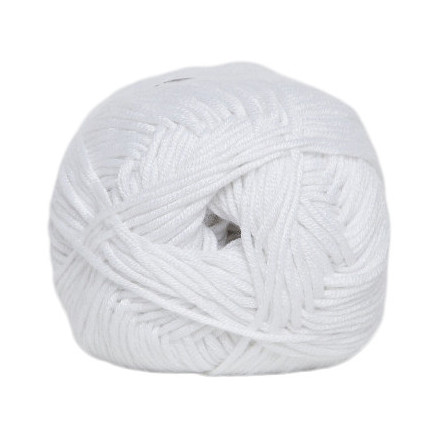
Hjertegarn
Blend Bamboo
70% bamboe · 30% katoen
- 26
- st.
- 300
- m/100g
- 4
- mm
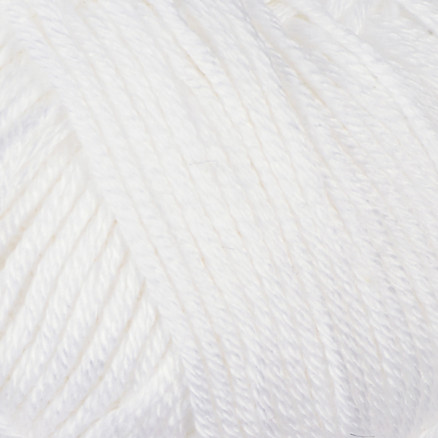
Viking of Norway
Viking Garn Bambino
50% bamboe · 50% katoen
- 28
- st.
- 352
- m/100g
- 3
- mm

Viking of Norway
Viking Garn Bamboo
50% bamboe · 50% katoen
- 22
- st.
- 220
- m/100g
- 4
- mm
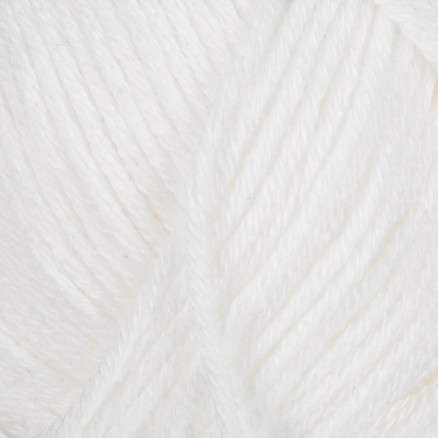
Viking of Norway
Viking Garn Bjørk
50% bamboe · 50% katoen
- 25
- st.
- 294
- m/100g
- 3
- mm

Hjertegarn
Arezzo
47% bamboe · 33% linnen · 20% katoen
- —
- st.
- 300
- m/100g
- 4
- mm

Lana Grossa
Linarte Unicolor
40% bamboe · 30% katoen · 20% linnen · 10% nylon
- 23
- st.
- 250
- m/100g
- 4
- mm
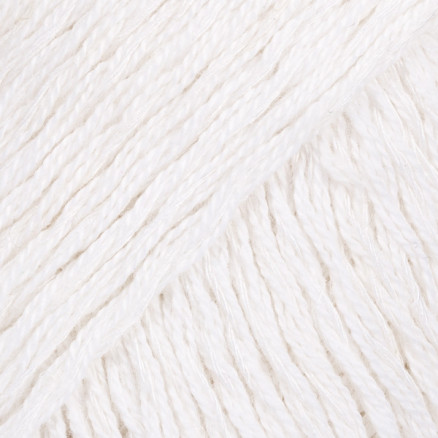
DROPS Design
Belle
53% katoen · 33% bamboe · 14% linnen
- 21
- st.
- 240
- m/100g
- 4
- mm

Hjertegarn
Bamboo Wool
55% wol · 30% bamboe · 15% nylon
- 28
- st.
- 400
- m/100g
- 3
- mm
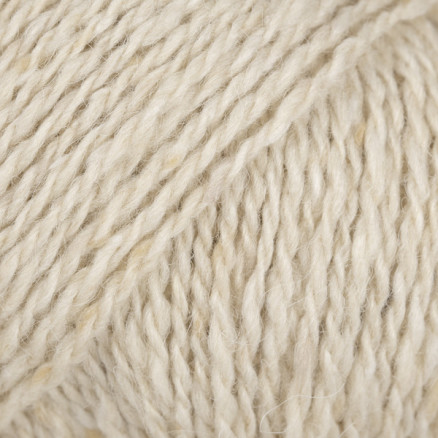
DROPS Design
Soft Tweed
50% wol · 25% alpaca · 25% bamboe
- 21
- st.
- 260
- m/100g
- 4
- mm
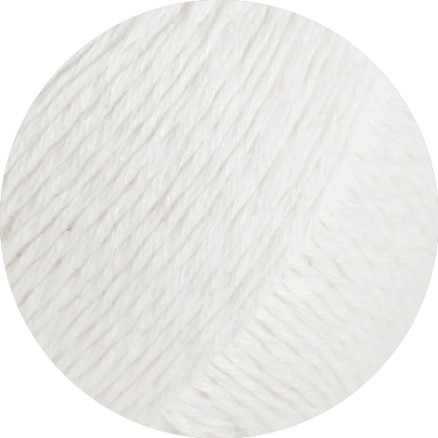
Lana Grossa
Campo
65% katoen · 25% bamboe · 10% linnen
- 22
- st.
- 330
- m/100g
- 4
- mm
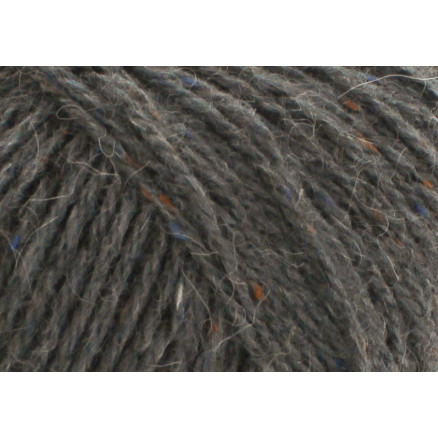
Permin
Hilde by Permin
57% wol · 25% bamboe · 18% alpaca
- 18
- st.
- 240
- m/100g
- 5
- mm

Lana Grossa
Diversa
74% katoen · 26% bamboe
- 24
- st.
- 420
- m/100g
- 4
- mm
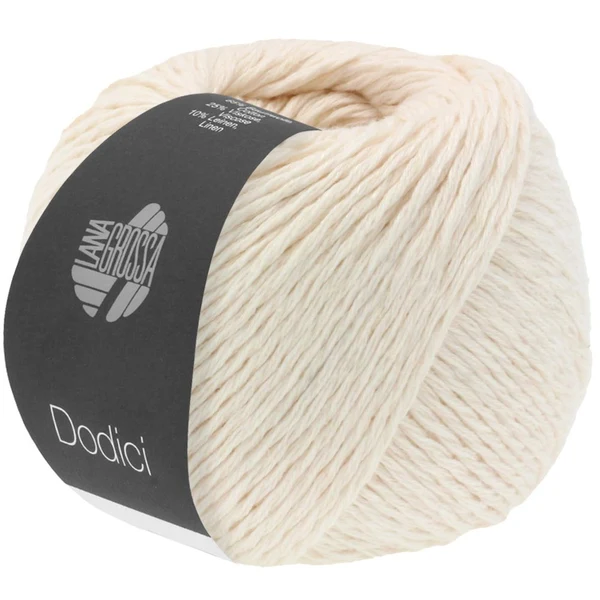
Lana Grossa
Dodici
74% katoen · 26% bamboe
- 18
- st.
- 220
- m/100g
- 5
- mm
Lana Grossa
Baco Bamboo
60% merino · 34% bamboe · 6% yak
- 16
- st.
- 200
- m/100g
- 6
- mm
Lana Grossa
Chiaro
60% merino · 28% bamboe · 12% nylon
- 18
- st.
- 240
- m/100g
- 5
- mm
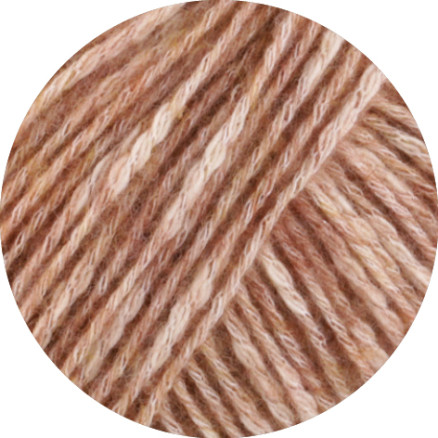
Lana Grossa
Bottoni
53% katoen · 24% bamboe · 23% merino
- 18
- st.
- 250
- m/100g
- 5
- mm
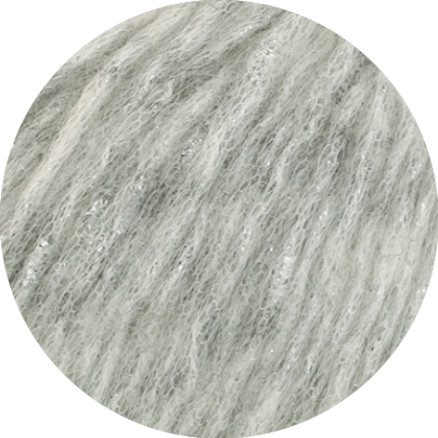
Lana Grossa
Lucciola
29% nylon · 24% merino · 22% bamboe · 20% alpaca
- 15.5
- st.
- 260
- m/100g
- 5
- mm
Vragen over garen met bamboo
Onderhoud, stekenverhouding en tips voor het vervangen van garen voor bamboo, gecombineerd met actuele gegevens uit onze catalogus.
Is bamboo yarn usually the same as bamboo viscose?+
Many products sold as bamboo yarn contain viscose made from bamboo-derived cellulose. Check the composition rather than assuming direct bamboo fibre. The source plant and the fibre-production method are different pieces of information.
Is bamboo viscose a natural fibre like cotton?+
It is a regenerated cellulose fibre made using a plant-derived raw material. Cotton is a natural fibre harvested from the plant. Bamboo viscose should be described with its actual fibre type rather than treated as raw bamboo fibre.
Is bamboo yarn naturally antibacterial?+
Do not assume so. The FTC states that a bamboo plant's resistance to bacteria is not evidence that rayon made from it retains a naturally antibacterial property. Any such claim needs evidence for the finished material.
Can bamboo yarn replace cotton or wool?+
It depends on the actual fibre and blend. A bamboo-viscose blend may suit a draped garment but behave differently from an elastic wool fabric. Wash a sample and check dimensions, recovery and drape before using it as a substitute.