
Hilo de Mohair
Angora-goat fibre with natural lustre and a distinctive brushed halo
- Angora goat fibre
- Natural lustre
- Kid mohair options
- Brushed yarns
- Silk blends
Mohair yarn is made from the fleece of the Angora goat. It is known for natural lustre and, in brushed yarns, the halo that sits around the strand and softens the outline of the stitches. Fine mohair blends can be worked alone for an airy fabric or held with another yarn to add fullness and a fuzzy surface. Mohair is also used in firmer constructions, so a halo is a feature of the yarn's processing rather than the fibre name alone.
Leer más sobre mohair →Mostrar menos
Goat fleece and a South African textile tradition
South Africa's mohair industry traces its beginnings to the arrival of Angora goats from Turkey in 1838. The fibre remains closely associated with the Eastern Cape's Karoo farming region. After shearing, mohair is sorted by qualities including fibre diameter and length, washed and prepared for spinning.
Age categories help describe the clip. Kid mohair comes from young goats and is associated with finer grades, while older animals generally produce coarser fibre. The resulting yarn's feel still depends on selection and processing. Mohair and angora should not be confused: mohair comes from goats, while the fibre normally called angora comes from rabbits.
Comparing halo and structure
Brushing raises fibres at the yarn's surface. In a fine mohair-and-silk blend, that surface can fill out a fabric well beyond the visible thickness of its central strand. This is why metres per ball or a yarn-weight label cannot fully describe its effect when held with another yarn.
When choosing a substitute, check both the halo and the underlying construction. A brushed alpaca blend may offer another fuzzy effect, but it will not necessarily reproduce the original's texture or drape. Swatch with all the strands the pattern requires and inspect the fabric in daylight. Check stitch visibility, fullness and the feel against the intended area of skin. Use the care instructions for the complete combination, and measure after washing before deciding whether the replacement works.
- Hilos
- 18
- 0 puros (≥90 %)
- Tensión de tejido
- 10–30
- pts / 10 cm
- Agujas
- 2,5–9 mm
- Longitud habitual
- 540 m
- por 100 g
Se suele mezclar con
Marcas con hilos de mohair
Todos los hilos de mohair
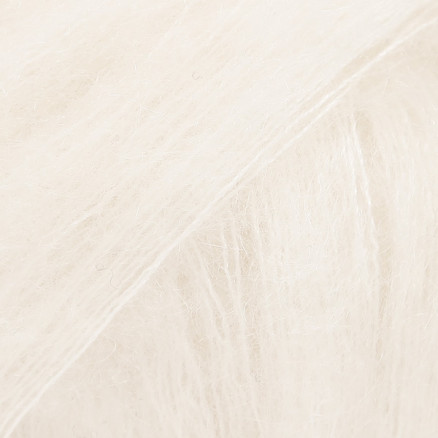
DROPS Design
Kid-Silk
75% mohair · 25% seda
- 26
- pts
- 840
- m/100g
- 4–5
- mm

Permin
Bella by Permin
75% mohair · 20% lana · 5% nailon
- 14
- pts
- 290
- m/100g
- 6
- mm

Cowgirlblues
Fluffy Mohair
78% mohair · 13% lana · 9% nailon
- 10
- pts
- 400
- m/100g
- 8
- mm
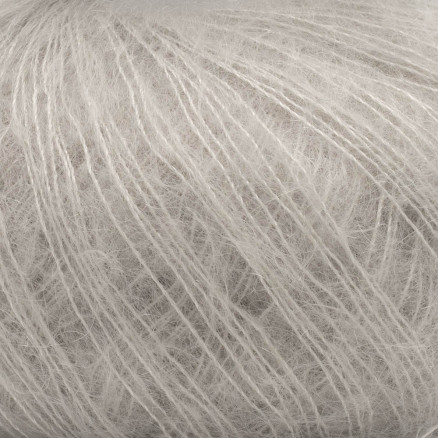
Kremke Soul Wool
Kremke Silky Kid
72% mohair · 28% seda
- 18
- pts
- 840
- m/100g
- 4
- mm
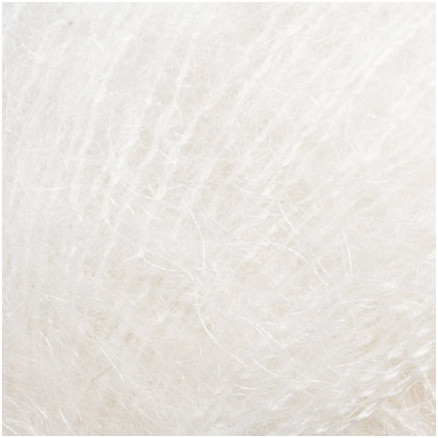
Järbo
Fin Mohair Silke
72% mohair · 28% seda
- 24
- pts
- 840
- m/100g
- 4
- mm
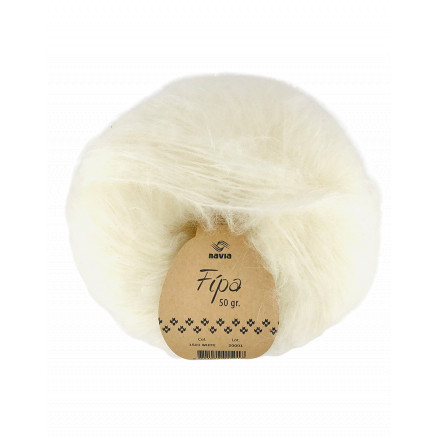
Navia
Fipa
73% mohair · 22% lana · 5% nailon
- 13
- pts
- 180
- m/100g
- 9
- mm
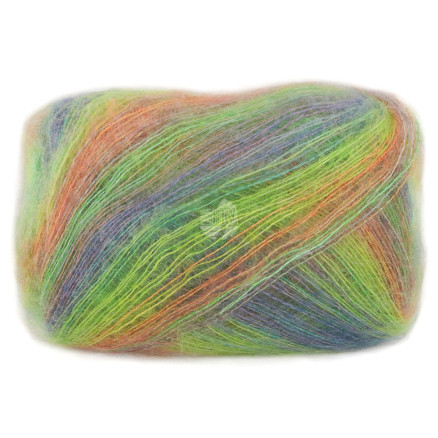
Lana Grossa
Cottonhair
70% mohair · 30% algodón
- 24
- pts
- 900
- m/100g
- 4
- mm
Lana Grossa
Mohair Moda
70% mohair · 20% merino · 10% nailon
- 15
- pts
- 280
- m/100g
- 6–7
- mm
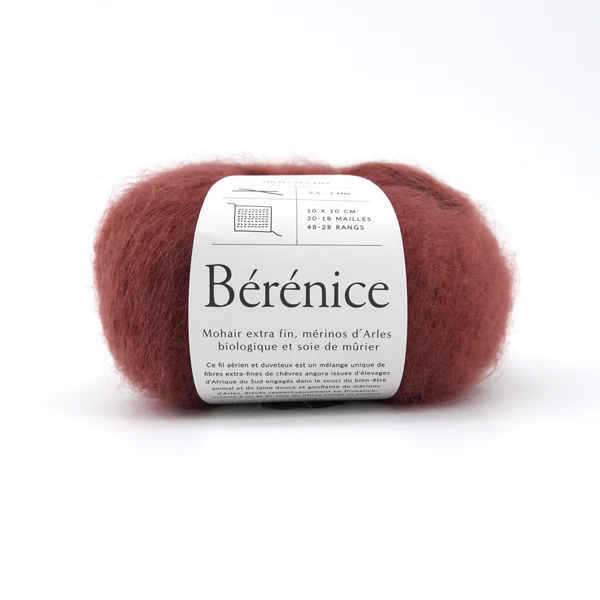
De Rerum Natura
Bérénice
55% mohair · 25% seda · 20% merino
- 30
- pts
- 840
- m/100g
- 3–5
- mm
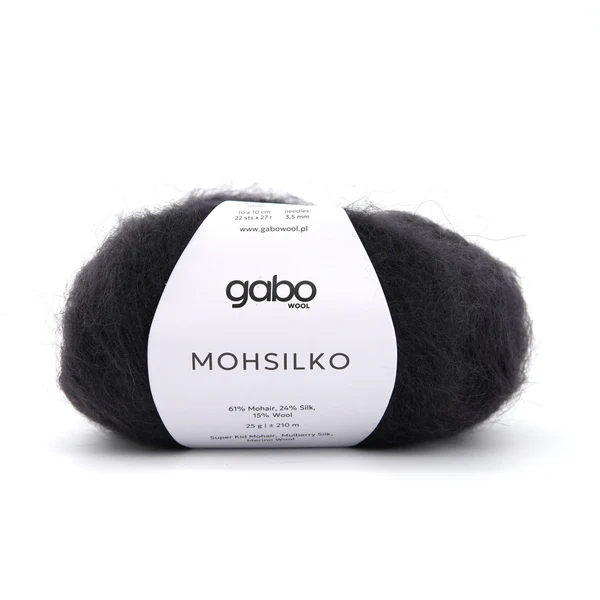
Gabo Wool
Mohsilko
61% mohair · 24% seda · 15% merino
- 22
- pts
- 840
- m/100g
- 3–4
- mm
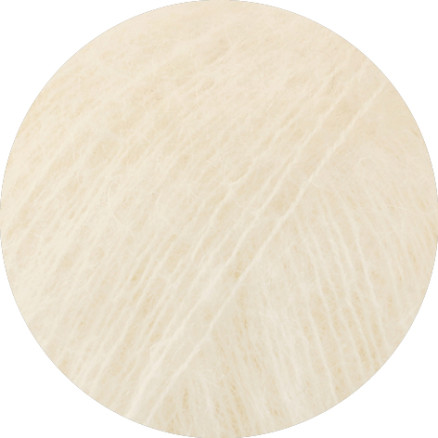
Lana Grossa
Filo Di Gio
55% mohair · 45% merino
- 21
- pts
- 500
- m/100g
- 5
- mm
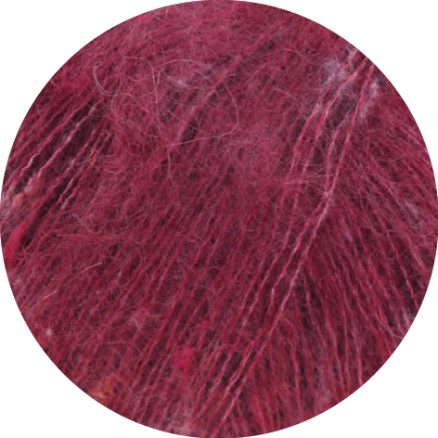
Lana Grossa
Natural Superkid Tweed
60% mohair · 30% seda · 7% algodón · 3% poliéster
- 21
- pts
- 400
- m/100g
- 5
- mm
Sandnes Garn
Tynn Silk Mohair
57% mohair · 43% seda
- 26
- pts
- 840
- m/100g
- 3–4
- mm
Viking of Norway
Viking Garn Mohrino
50% mohair · 41% merino · 9% nailon
- 12
- pts
- 200
- m/100g
- 7
- mm
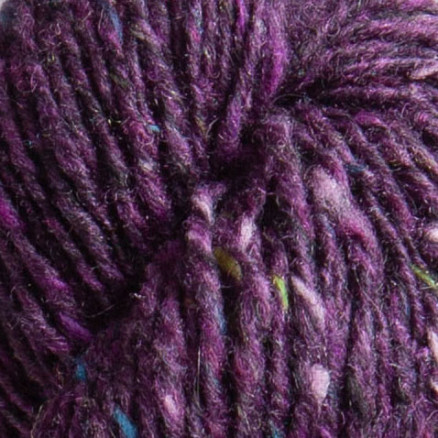
Järbo
Select No.1 Mohair Tweed
70% merino · 30% mohair
- 19
- pts
- 220
- m/100g
- 4
- mm
Rowan
Kid Classic
70% lana · 22% mohair · 8% nailon
- 19
- pts
- 280
- m/100g
- 5–5
- mm
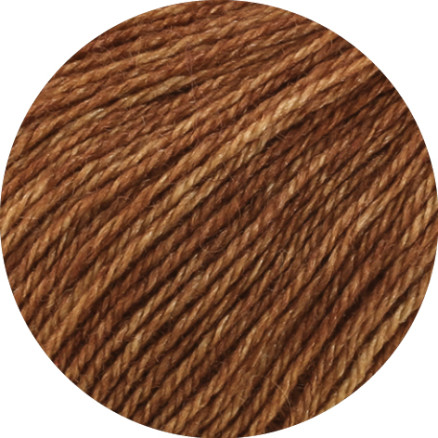
Lana Grossa
Brigitte Silkdream
60% merino · 30% seda · 10% mohair
- 23
- pts
- 540
- m/100g
- 4
- mm
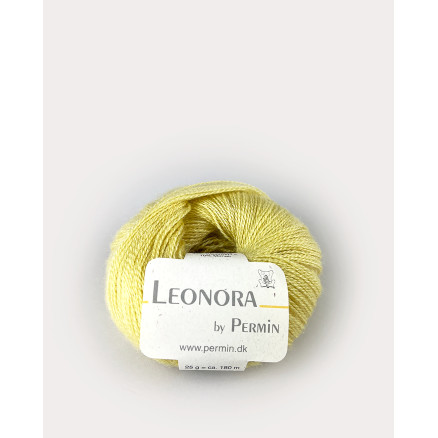
Permin
Leonora by Permin
50% seda · 40% lana · 10% mohair
- 28
- pts
- 720
- m/100g
- 3
- mm
Preguntas sobre los hilos de mohair
Cuidados, tensión de tejido y consejos para sustituir hilos con mohair, junto con datos actualizados de nuestro catálogo.
Is mohair made from rabbits?+
No. Mohair comes from Angora goats. The similar name can cause confusion, but angora rabbit fibre is a separate material and should not be treated as an alternative name for mohair.
What does kid mohair mean?+
It refers to mohair from young goats, associated with finer fleece categories. The softness of a particular yarn still depends on its selected fibre, blend and construction. The term alone does not guarantee comfortable wear for every person.
Why is mohair often held together with another yarn?+
A fine brushed strand can add a halo and extra fullness to the combined fabric. Test the two strands together, because the gauge, surface and drape of the combination are what the pattern uses.
Can brushed alpaca replace silk mohair?+
Sometimes, if the combined sample gives the effect you want. Compare halo, core thickness, metres per gram and the finished fabric. The replacement may change the surface and drape even when you achieve the pattern's gauge.