Nylon (polyamide) yarn
A reinforcing fibre familiar from sock yarn and hard-working blends
- Synthetic fibre
- Also called polyamide
- Sock yarn blends
- Reinforcement
- Pure and blended formats
Nylon is a synthetic fibre often encountered as part of a knitting or crochet yarn rather than as its main ingredient. In sock yarn, it is commonly blended with wool to help the fabric withstand repeated rubbing and wear. Its contribution is easy to overlook when a yarn is described primarily by its animal fibre, but it can matter when selecting a replacement for heels, toes or other areas that receive frequent friction.
Read more about nylon (polyamide) →Show less
A fibre developed for modern textiles
Nylon belongs to the polyamide family. The development of these fibres in the 1930s introduced materials that could be manufactured as continuous filaments or cut into shorter fibres for spinning. Different polymer types, including nylon 6 and nylon 6.6, share the familiar yarn-label terminology without being chemically identical.
On ordinary hand-knitting yarn labels, nylon and polyamide usually describe the same fibre category. Seeing one name instead of the other is therefore not, by itself, evidence that two yarns contain different materials. Compare the percentage and the yarn's construction before drawing that conclusion.
Why the whole blend matters
A useful example is classic LANGYARNS JAWOLL, which combines 75% superwash virgin wool with 25% nylon and includes a separate reinforcing thread for heels and toes. The example shows that fibre blend, yarn structure and extra reinforcement can all contribute to a sock project. It does not establish a required nylon percentage for every sock yarn.
When substituting, decide how important wear resistance is to the item. Replacing a wool-and-nylon sock yarn with a delicate pure animal-fibre yarn may change its suitability even if the gauge matches. Check the original's twist, intended use and care requirements, then work a sample at the pattern's gauge. Nylon content also does not make the other fibres machine washable: the care of the finished blend remains a product-level instruction.
- Yarns
- 94
- 0 pure (≥90 %)
- Gauge
- 10–36
- sts / 10 cm
- Needles
- 2–12 mm
- Typical length
- 300 m
- per 100 g
Often blended with
Brands with nylon (polyamide) yarns
All nylon (polyamide) yarns
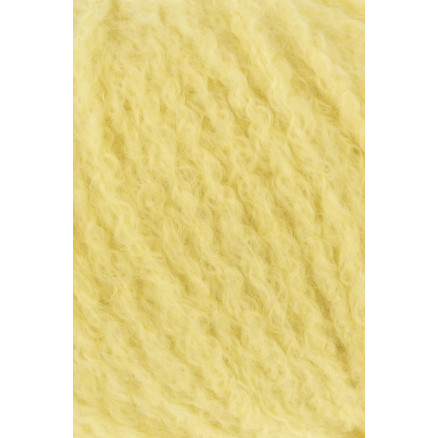
Lang Yarns
Cashmere Light
88% cashmere · 12% nylon
- 20
- sts
- 340
- m/100g
- 6
- mm

Cowgirlblues
Fluffy Mohair
78% mohair · 13% wool · 9% nylon
- 10
- sts
- 400
- m/100g
- 8
- mm
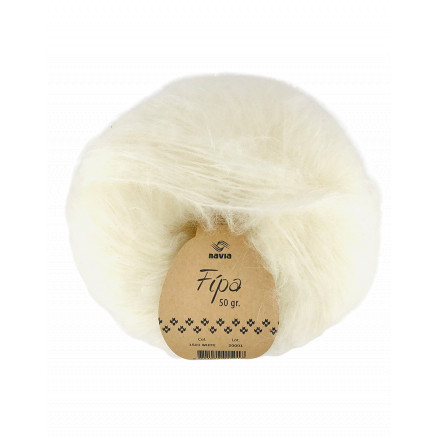
Navia
Fipa
73% mohair · 22% wool · 5% nylon
- 13
- sts
- 180
- m/100g
- 9
- mm
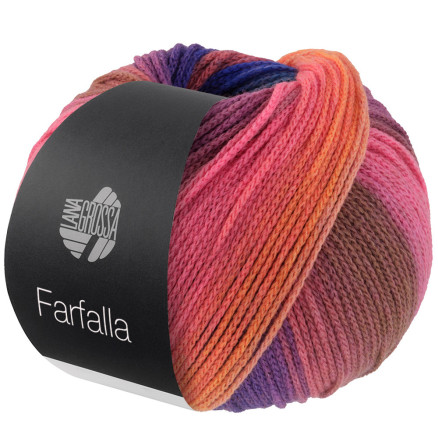
Lana Grossa
Farfalla
94% merino · 6% nylon
- 23
- sts
- 340
- m/100g
- 4
- mm

Lana Grossa
Alta Moda Cotolana
45% cotton · 45% merino · 10% nylon
- 20
- sts
- 300
- m/100g
- 5
- mm

Lang Yarns
Footprints
45% cotton · 42% merino · 13% nylon
- 30
- sts
- 800
- m/100g
- 3
- mm
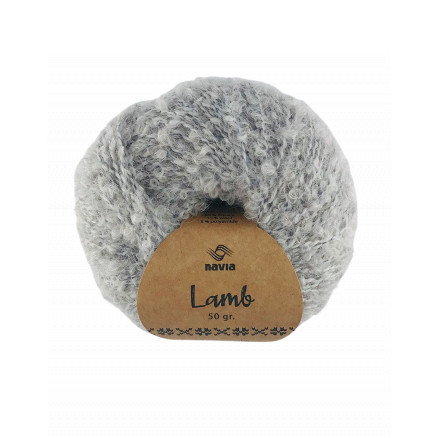
Navia
Lamb
80% alpaca · 15% wool · 5% nylon
- 22
- sts
- 280
- m/100g
- 6
- mm

Lana Grossa
Linarte Unicolor
40% bamboo · 30% cotton · 20% linen · 10% nylon
- 23
- sts
- 250
- m/100g
- 4
- mm
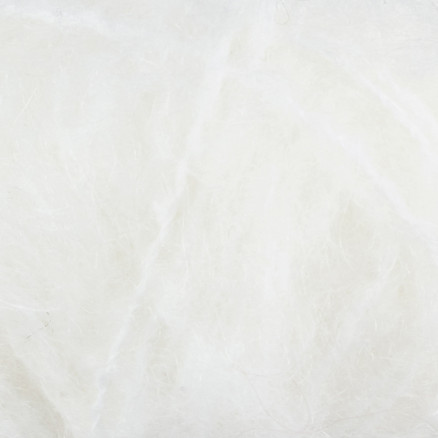
Viking of Norway
Viking Garn Mohrino
50% mohair · 41% merino · 9% nylon
- 12
- sts
- 200
- m/100g
- 7
- mm
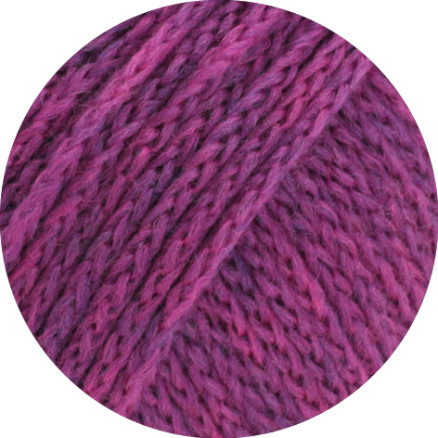
Lana Grossa
Cool Merino
90% merino · 10% nylon
- 17
- sts
- 300
- m/100g
- 6
- mm

Lana Grossa
Torto
90% cotton · 10% nylon
- 20
- sts
- 240
- m/100g
- 4
- mm
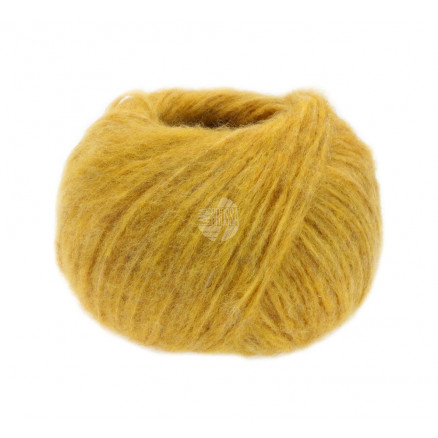
Lana Grossa
Alpaca Moda Garn 12 Gul
74% alpaca · 13% nylon · 13% merino
- 13
- sts
- 270
- m/100g
- 7
- mm
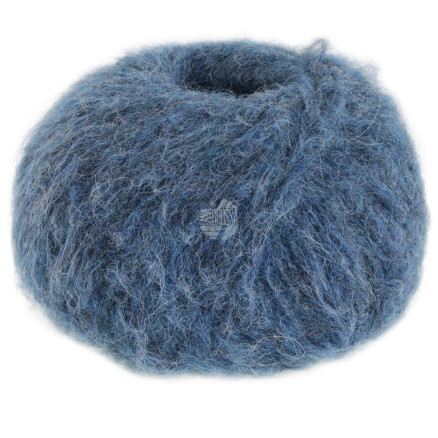
Lana Grossa
Natural Alpaca Lungo Garn 07 Petroleumsblå
89% alpaca · 11% nylon
- 19
- sts
- 380
- m/100g
- 5
- mm
Lana Grossa
Pelliccia
48% merino · 38% alpaca · 14% nylon
- 15
- sts
- 180
- m/100g
- 5
- mm
Rowan
Kid Classic
70% wool · 22% mohair · 8% nylon
- 19
- sts
- 280
- m/100g
- 5–5
- mm
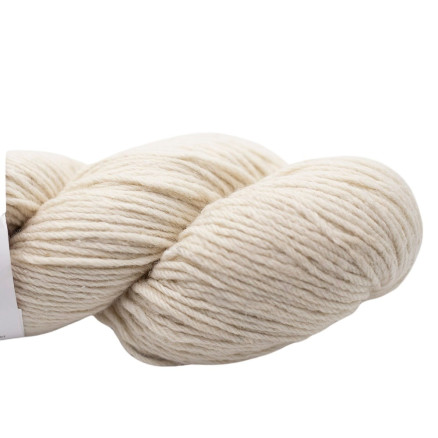
Kremke Soul Wool
Reborn Wool Recycled
65% wool · 25% acrylic · 10% nylon
- 18
- sts
- 400
- m/100g
- 5
- mm
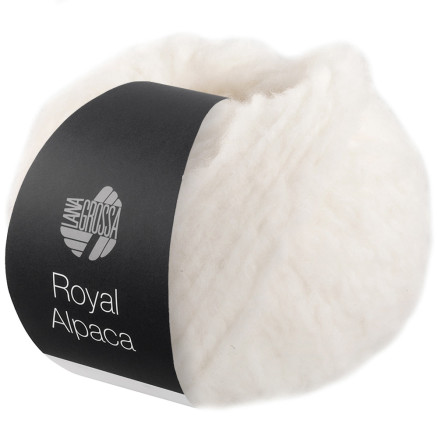
Lana Grossa
Royal Alpaca
93% alpaca · 7% nylon
- 12
- sts
- 190
- m/100g
- 10
- mm
Lana Grossa
Chiaro
60% merino · 28% bamboo · 12% nylon
- 18
- sts
- 240
- m/100g
- 5
- mm
Lana Grossa
Milano
50% alpaca · 40% merino · 10% nylon
- 15
- sts
- 280
- m/100g
- 5
- mm
Lana Grossa
Mohair Moda
70% mohair · 20% merino · 10% nylon
- 15
- sts
- 280
- m/100g
- 6–7
- mm
DROPS Design
Melody
71% alpaca · 25% wool · 4% nylon
- 14
- sts
- 280
- m/100g
- 7
- mm
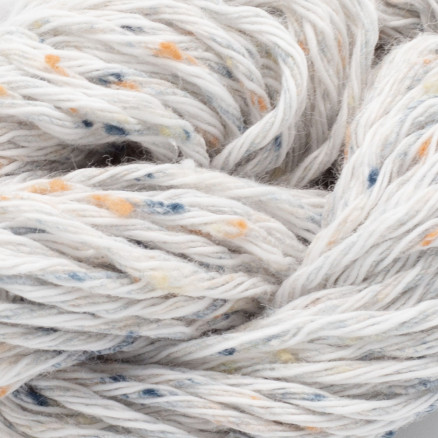
Erika Knight
Gossypium Cotton Tweed
96% cotton · 4% nylon
- 22
- sts
- 250
- m/100g
- 3
- mm
Questions about nylon (polyamide) yarn
Care, gauge and substitution tips for nylon (polyamide), combined with live data from our catalogue.
Are nylon and polyamide the same on yarn labels?+
In ordinary knitting-yarn terminology, nylon is commonly called polyamide. Different polymer types exist, so the names are not complete technical specifications, but the wording alone usually does not identify a meaningful difference between yarns.
Why is nylon added to wool sock yarn?+
It can improve resistance to wear in a blend used for socks. The finished yarn's twist, fibre quality and the density of the knitted fabric also matter. Nylon content alone cannot predict how long a pair of socks will last.
Do socks have to contain nylon?+
No. Socks can be made from other constructions and fibre combinations. When choosing a nylon-free substitute, consider the intended use and wear areas, and look for a yarn designed for that purpose rather than relying on softness alone.
Does a nylon blend always allow machine washing?+
No. Follow the care instructions for the named yarn. A blend containing untreated wool or another delicate fibre may still require hand washing, even though nylon itself is a manufactured fibre.