
Nylon yarn
A reinforcing fibre familiar from sock yarn and hard-working blends
- Synthetic fibre
- Also called polyamide
- Sock yarn blends
- Reinforcement
- Pure and blended formats
Nylon is a synthetic fibre often encountered as part of a knitting or crochet yarn rather than as its main ingredient. In sock yarn, it is commonly blended with wool to help the fabric withstand repeated rubbing and wear. Its contribution is easy to overlook when a yarn is described primarily by its animal fibre, but it can matter when selecting a replacement for heels, toes or other areas that receive frequent friction.
Read more about nylon →Show less
A fibre developed for modern textiles
Nylon belongs to the polyamide family. The development of these fibres in the 1930s introduced materials that could be manufactured as continuous filaments or cut into shorter fibres for spinning. Different polymer types, including nylon 6 and nylon 6.6, share the familiar yarn-label terminology without being chemically identical.
On ordinary hand-knitting yarn labels, nylon and polyamide usually describe the same fibre category. Seeing one name instead of the other is therefore not, by itself, evidence that two yarns contain different materials. Compare the percentage and the yarn's construction before drawing that conclusion.
Why the whole blend matters
A useful example is classic LANGYARNS JAWOLL, which combines 75% superwash virgin wool with 25% nylon and includes a separate reinforcing thread for heels and toes. The example shows that fibre blend, yarn structure and extra reinforcement can all contribute to a sock project. It does not establish a required nylon percentage for every sock yarn.
When substituting, decide how important wear resistance is to the item. Replacing a wool-and-nylon sock yarn with a delicate pure animal-fibre yarn may change its suitability even if the gauge matches. Check the original's twist, intended use and care requirements, then work a sample at the pattern's gauge. Nylon content also does not make the other fibres machine washable: the care of the finished blend remains a product-level instruction.
- Yarns
- 420
- 9 pure (≥90 %)
- Gauge
- 5–36
- sts / 10 cm
- Needles
- 2–20 mm
- Typical length
- 300 m
- per 100 g
Often blended with
Brands with nylon yarns
All nylon yarns

Rico Design
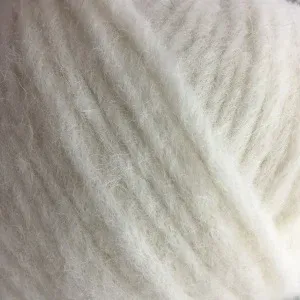
Fashion Light Luxury
74% alpaca · 22% wool · 4% nylon
- 12
- sts / 10 cm
- 260
- m/100g
- 6–7
- mm
Gepard Garn
Puno
68% alpaca · 22% nylon · 10% merino
- 14
- sts / 10 cm
- 220
- m/100g
- 5.5
- mm
Lana Grossa
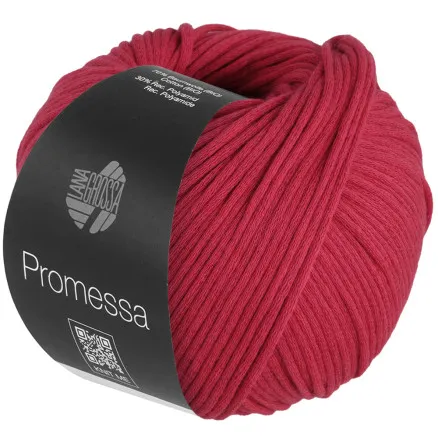
Promessa
70% cotton · 30% nylon
- 20
- sts / 10 cm
- 250
- m/100g
- 5
- mm
Lana Grossa
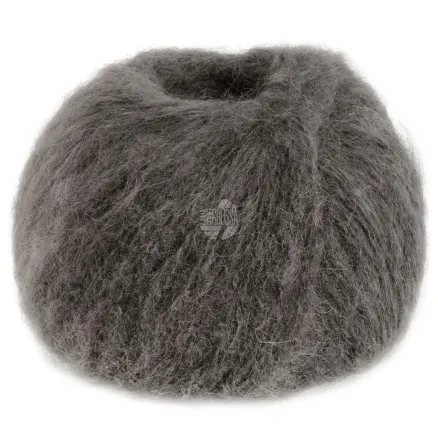
Mohair Moda
70% mohair · 20% merino · 10% nylon
- 15
- sts / 10 cm
- 280
- m/100g
- 6–7
- mm
Lana Grossa
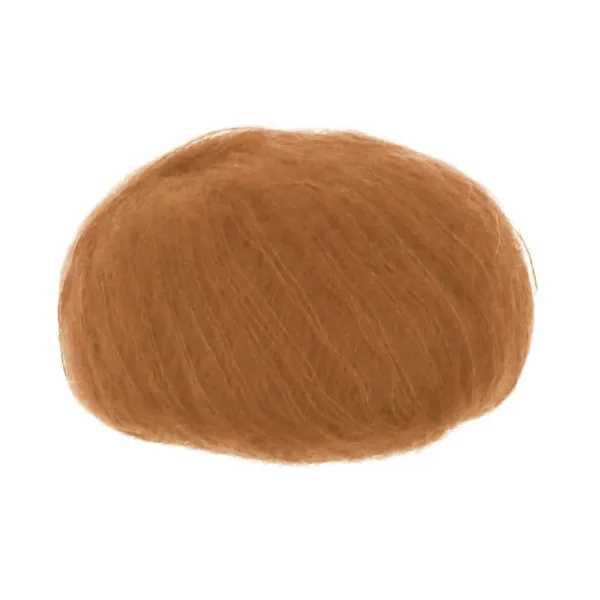
Lana G. Silk Mohair
70% mohair · 20% merino · 10% nylon
- 15
- sts / 10 cm
- 280
- m/100g
- 6–7
- mm
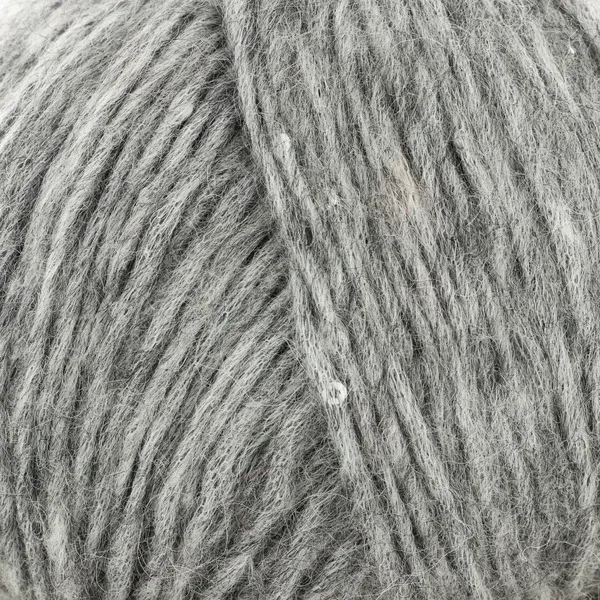
Trendsetter Yarns
Cheerleader
37% polyester · 28% alpaca · 22% nylon · 13% merino
- 16
- sts / 10 cm
- 220
- m/100g
- 5.5
- mm
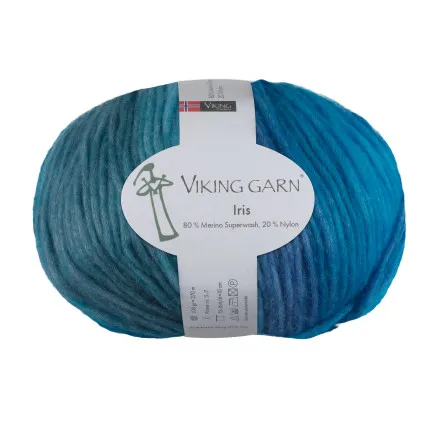
Viking of Norway
Viking Garn Iris
80% merino · 20% nylon
- 16
- sts / 10 cm
- 270
- m/100g
- 5.25
- mm
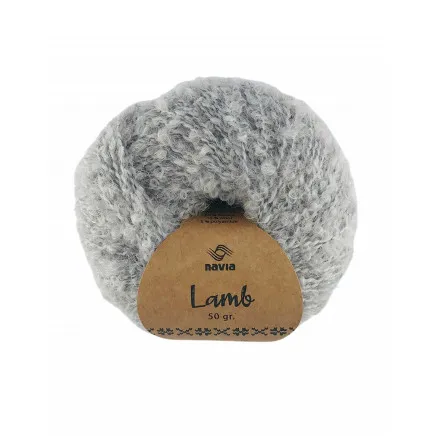
Navia
Lamb
80% alpaca · 15% wool · 5% nylon
- 22
- sts / 10 cm
- 280
- m/100g
- 5.5
- mm
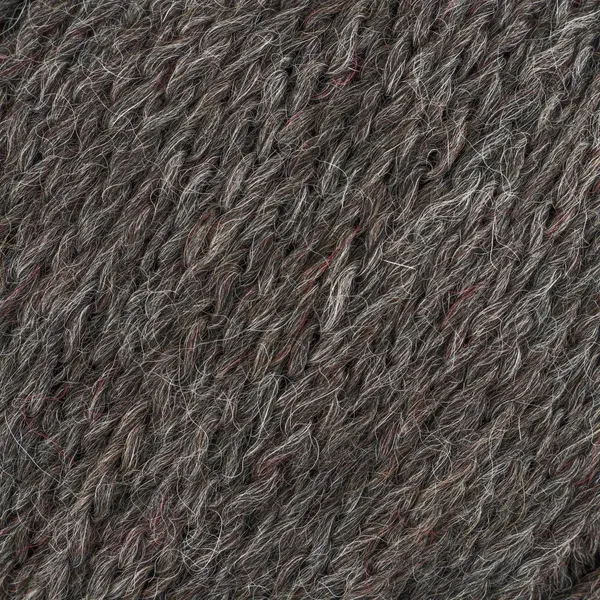
Valley Yarns
Peru
84% alpaca · 8% nylon · 8% merino
- 20
- sts / 10 cm
- 220
- m/100g
- 5.5
- mm
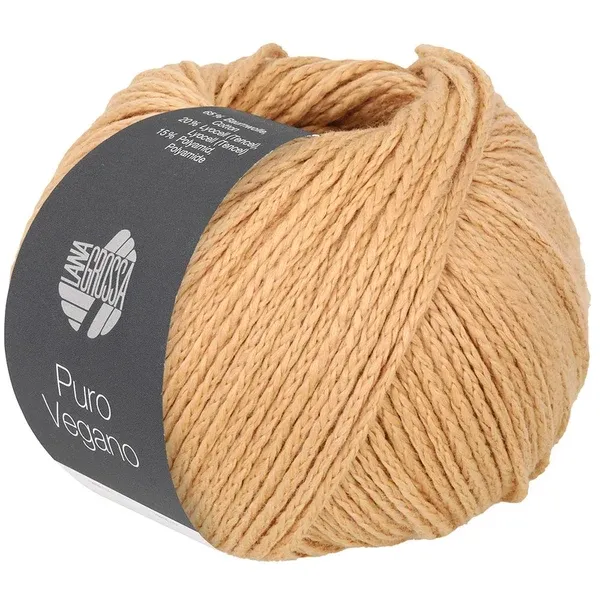
Lana Grossa
Puro Vegano uldfrit garn i bomuld
65% cotton · 15% nylon
- 18
- sts / 10 cm
- 200
- m/100g
- 5.5–6
- mm
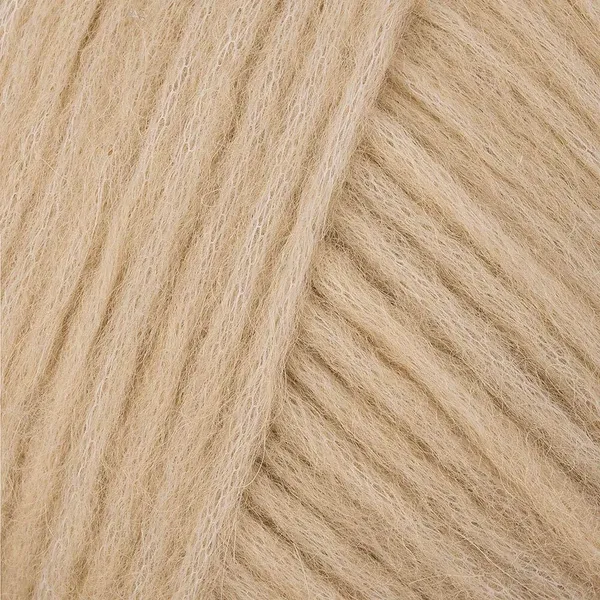
Wool and the Gang
Feeling Good
70% alpaca · 23% nylon · 7% merino
- 14
- sts / 10 cm
- 260
- m/100g
- 5
- mm
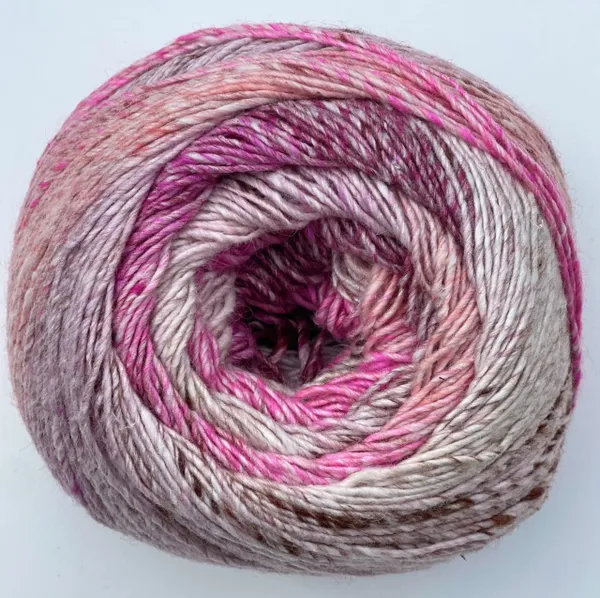
Noro
Akari
26% silk · 21% cotton · 15% viscose · 14% mohair · 12% wool · 12% nylon
- 18
- sts / 10 cm
- 243
- m/100g
- 4.5–5.5
- mm
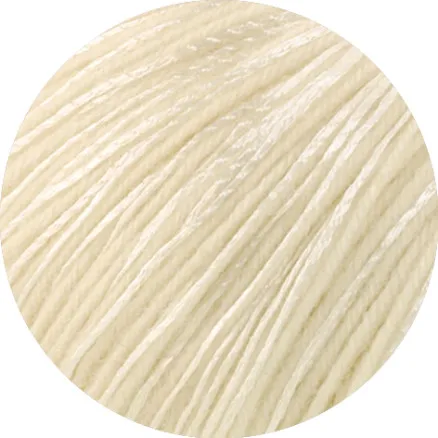
Lana Grossa
Chiaro
60% merino · 28% bamboo · 12% nylon
- 18
- sts / 10 cm
- 240
- m/100g
- 5
- mm
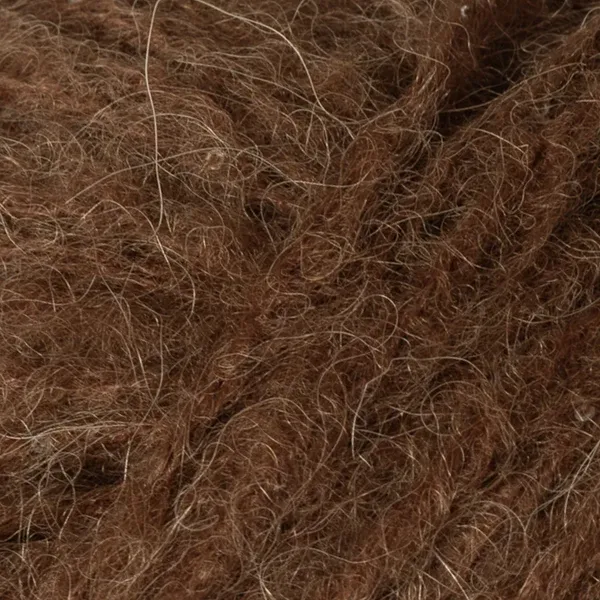
Berroco
Brina
41% nylon · 30% alpaca · 29% wool
- 16
- sts / 10 cm
- 220
- m/100g
- 5
- mm
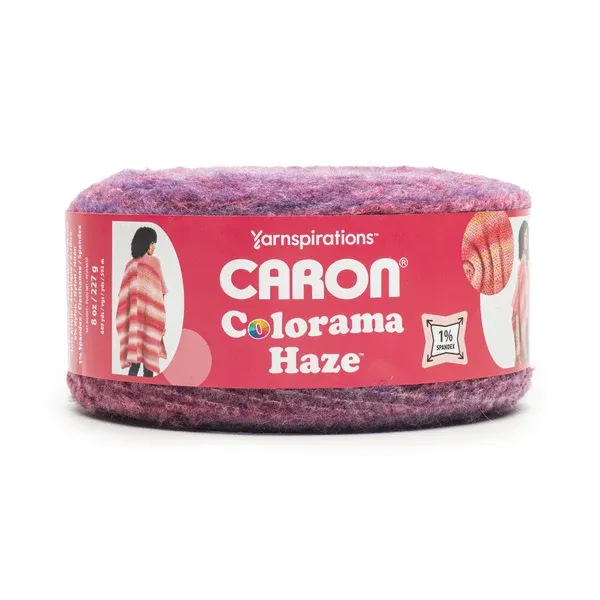
Caron
Colorama Haze Yarn (227g/8oz)
48% polyester · 42% acrylic · 9% nylon
- 17
- sts / 10 cm
- 261
- m/100g
- 5
- mm
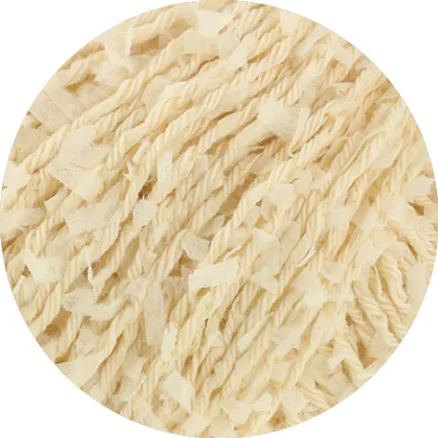
Lana Grossa
Frizzante Garn
54% cotton · 46% nylon
- 18
- sts / 10 cm
- 210
- m/100g
- 5
- mm
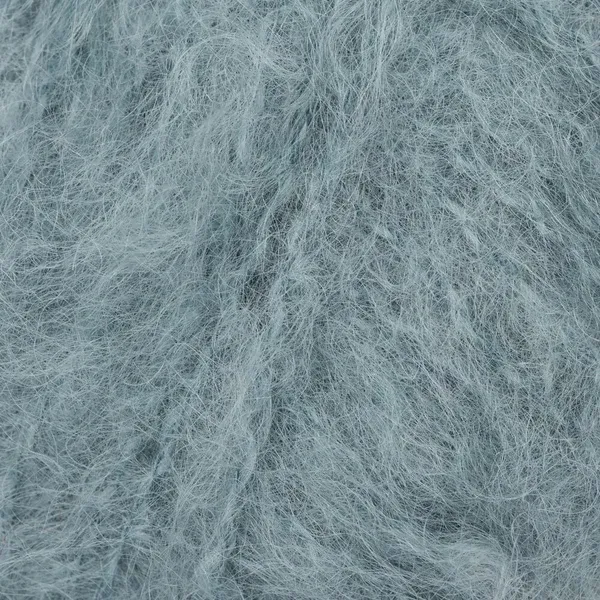
Wool and the Gang
Take Care Mohair
78% mohair · 13% wool · 9% nylon
- 13
- sts / 10 cm
- 200
- m/100g
- 6.5
- mm
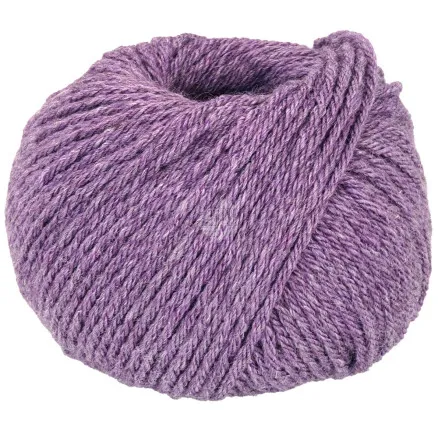
Lana Grossa
New Classic
48% merino · 36% viscose · 8% yak · 8% nylon
- 18
- sts / 10 cm
- 200
- m/100g
- 6–7
- mm
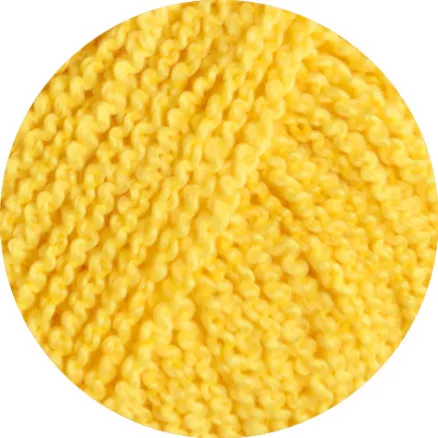
Lana Grossa
Riccio
84% cotton · 16% nylon
- 18
- sts / 10 cm
- 220
- m/100g
- 5
- mm
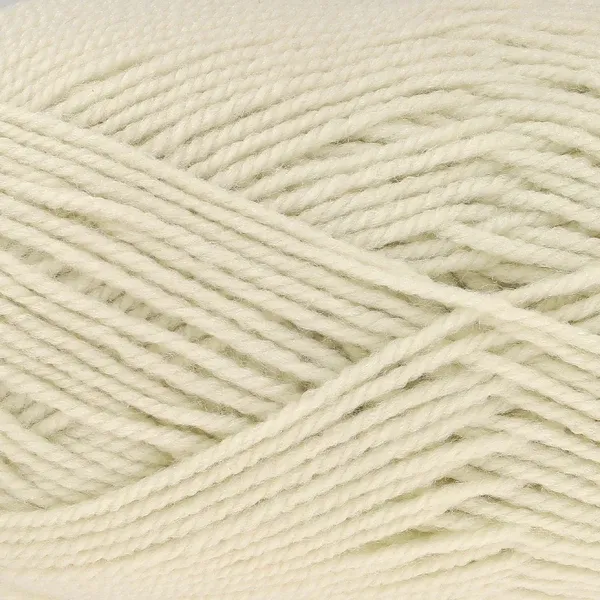
King Cole
Comfort Aran
60% acrylic · 40% nylon
- 18
- sts / 10 cm
- 202
- m/100g
- 5
- mm
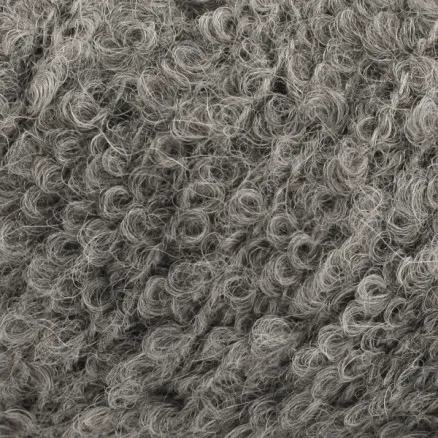
DROPS Design
Alpaca Bouclé
80% alpaca · 15% wool · 5% nylon
- 17
- sts / 10 cm
- 280
- m/100g
- 5
- mm
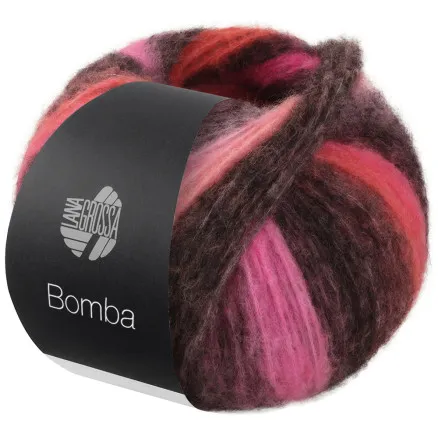
Lana Grossa
Bomba
85% merino · 15% nylon
- 14
- sts / 10 cm
- 290
- m/100g
- 5
- mm
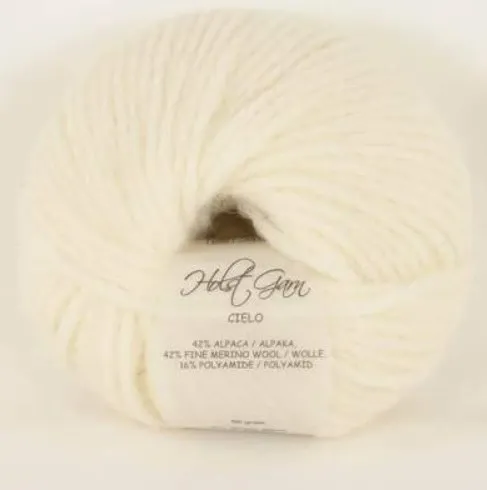
Holst Garn
Cielo
42% wool · 42% alpaca · 16% nylon
- 20
- sts / 10 cm
- 250
- m/100g
- 4–5
- mm
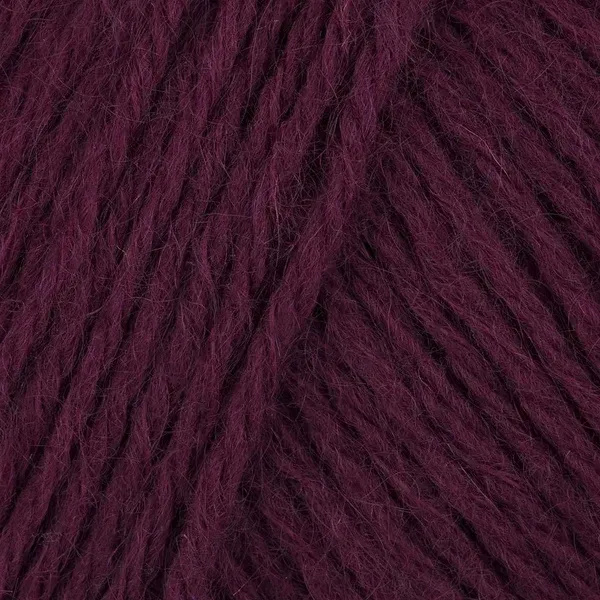
Rowan
Kid Classic
70% wool · 22% mohair · 8% nylon
- 19
- sts / 10 cm
- 280
- m/100g
- 4.5–5
- mm
Questions about nylon yarn
Care, gauge and substitution tips for nylon, combined with live data from our catalogue.
Are nylon and polyamide the same on yarn labels?+
In ordinary knitting-yarn terminology, nylon is commonly called polyamide. Different polymer types exist, so the names are not complete technical specifications, but the wording alone usually does not identify a meaningful difference between yarns.
Why is nylon added to wool sock yarn?+
It can improve resistance to wear in a blend used for socks. The finished yarn's twist, fibre quality and the density of the knitted fabric also matter. Nylon content alone cannot predict how long a pair of socks will last.
Do socks have to contain nylon?+
No. Socks can be made from other constructions and fibre combinations. When choosing a nylon-free substitute, consider the intended use and wear areas, and look for a yarn designed for that purpose rather than relying on softness alone.
Does a nylon blend always allow machine washing?+
No. Follow the care instructions for the named yarn. A blend containing untreated wool or another delicate fibre may still require hand washing, even though nylon itself is a manufactured fibre.