
Merino yarn
Fine sheep's wool for soft fabrics with natural spring
- Sheep fibre
- A type of wool
- Fine fibre options
- Natural spring
- Superwash and untreated
Merino is the name used for wool from Merino sheep. In yarn descriptions it usually points to a fine, soft-handling wool suitable for garments and accessories worn close to the skin. It is still sheep's wool, with the crimp and moisture-absorbing structure associated with that wider fibre family. The shorter name Merino and the fuller term Merino wool refer to the same material.
Read more about merino →Show less
What the Merino name tells you
Merino identifies the wool's source, while fibre diameter helps describe how it feels. Diameter is measured in microns: finer fibres generally bend more readily against the skin and feel softer. Wool from Merino sheep is available in different grades, so the name alone does not guarantee a particular micron count or an identical sensation in every yarn.
The fleece must still be sorted, cleaned, prepared and spun. Those stages help determine whether the result is a smooth, firmly plied yarn, a light and lofty strand or a blend with a different surface. A yarn's Merino content is one part of its identity, alongside construction and any shrink-resistant treatment.
Matching Merino to the fabric you want
A smooth Merino can be useful when a pattern relies on well-defined stitches or elastic ribbing. A softer, more loosely constructed yarn may give another result, even with the same fibre percentage and suggested gauge. Blending Merino with silk, alpaca, cotton or synthetic fibres changes the balance again.
When comparing alternatives, look at the entire yarn rather than treating all Merino as interchangeable. Check metres per gram, ply structure, surface texture and whether the original is superwash. Make a washed sample and assess its recovery, drape and dimensions. For a scarf or collar, feel the sample against the area where it will be worn. This gives more useful information than a general promise that a fibre is soft or itch-free.
- Yarns
- 365
- 154 pure (≥90 %)
- Gauge
- 8–38
- sts / 10 cm
- Needles
- 1.5–12 mm
- Typical length
- 266 m
- per 100 g
Often blended with
Brands with merino yarns
All merino yarns
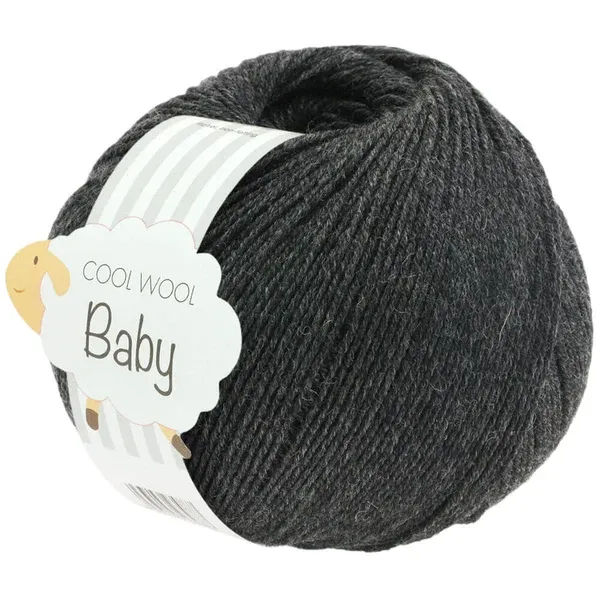
Lana Grossa
Cool Wool Baby
100% merino
- 28
- sts / 10 cm
- 440
- m/100g
- 2.5–3
- mm
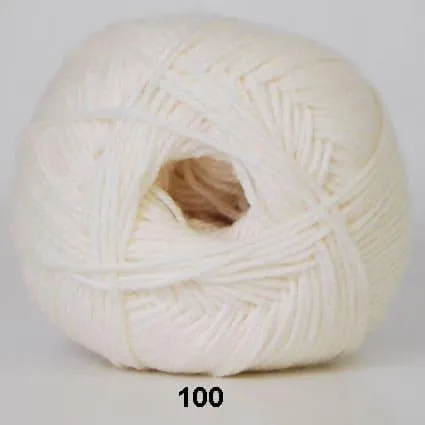
Hjertegarn
Lana Cotton 212
50% cotton · 50% merino
- 28
- sts / 10 cm
- 424
- m/100g
- 3–3.5
- mm
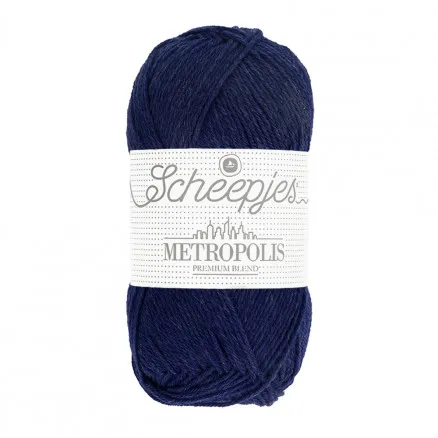
Scheepjes
Metropolis
75% merino · 25% nylon
- 29
- sts / 10 cm
- 400
- m/100g
- 3
- mm
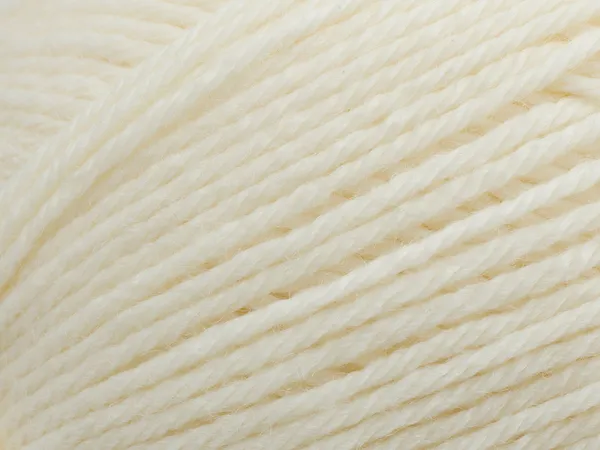
Filcolana
Anina
100% merino
- 27
- sts / 10 cm
- 420
- m/100g
- 2.5–3
- mm
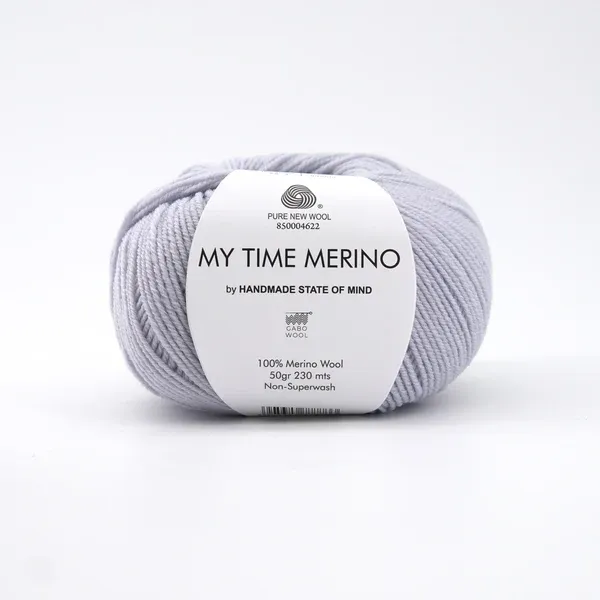
Gabo Wool
My Time Merino
100% merino
- 32
- sts / 10 cm
- 460
- m/100g
- 2.5–3
- mm
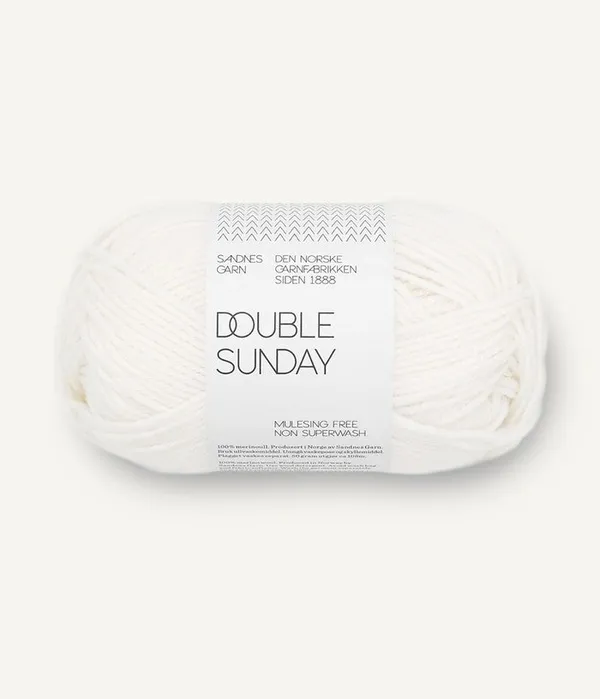
Sandnes Garn
Sunday
100% merino
- 27
- sts / 10 cm
- 470
- m/100g
- 2.5–3
- mm
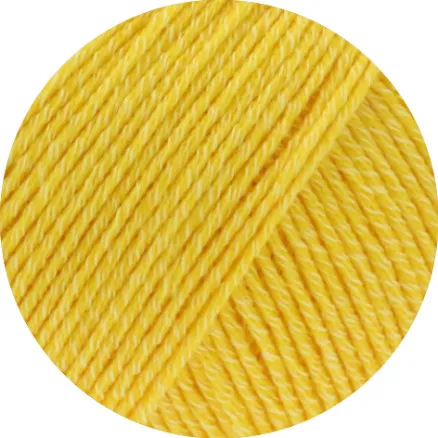
Lana Grossa
Cotton Wool
53% merino · 47% cotton
- 26
- sts / 10 cm
- 390
- m/100g
- 3.75
- mm
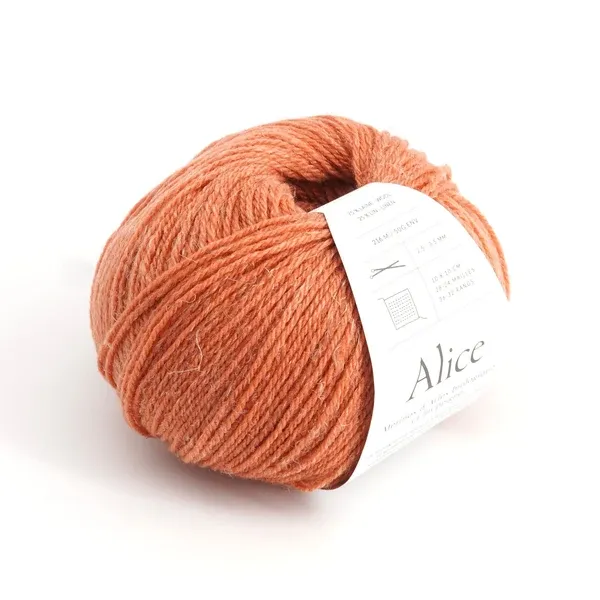
De Rerum Natura
Alice
75% merino · 25% linen
- 26
- sts / 10 cm
- 432
- m/100g
- 2.5–3.5
- mm
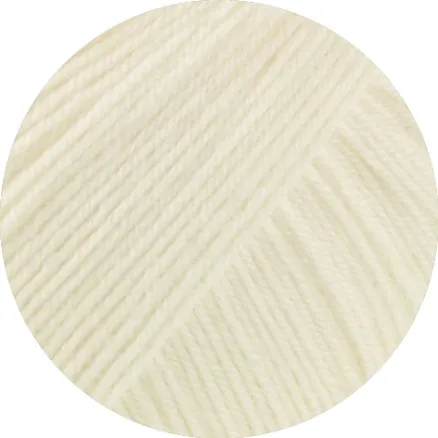
Lana Grossa
Meilenweit 100 Woolycell Duo Garn
65% merino · 35% lyocell
- 28
- sts / 10 cm
- 400
- m/100g
- 3
- mm
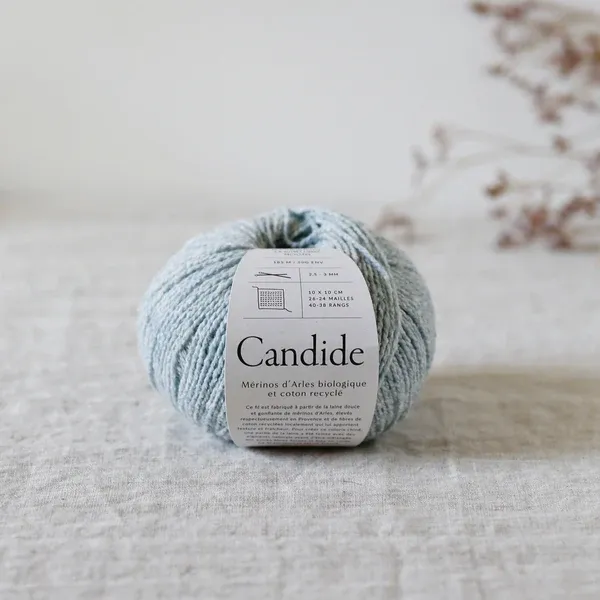
De Rerum Natura
Candide
70% merino · 30% cotton
- 26
- sts / 10 cm
- 370
- m/100g
- 2.5–3.5
- mm
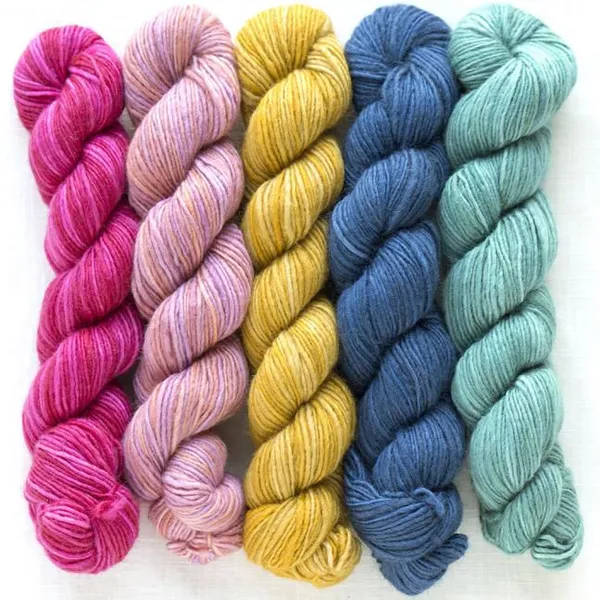
Manos del Uruguay
Fino Mini
70% merino · 30% silk
- 28
- sts / 10 cm
- 490
- m/100g
- 2.5–3.5
- mm
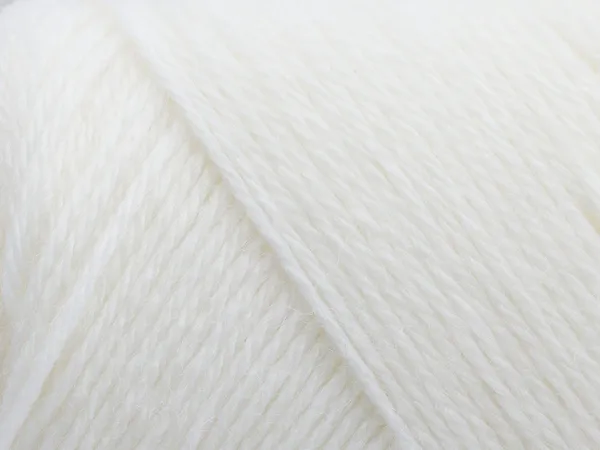
Filcolana
Arwetta
80% merino · 20% nylon
- 31
- sts / 10 cm
- 420
- m/100g
- 2.5–3
- mm
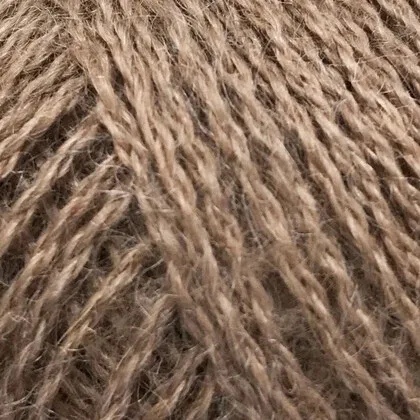
onion
Alpaca + Merino Wool + Nettles
45% alpaca · 35% merino · 20% nettle
- 26
- sts / 10 cm
- 350
- m/100g
- 3–3.5
- mm
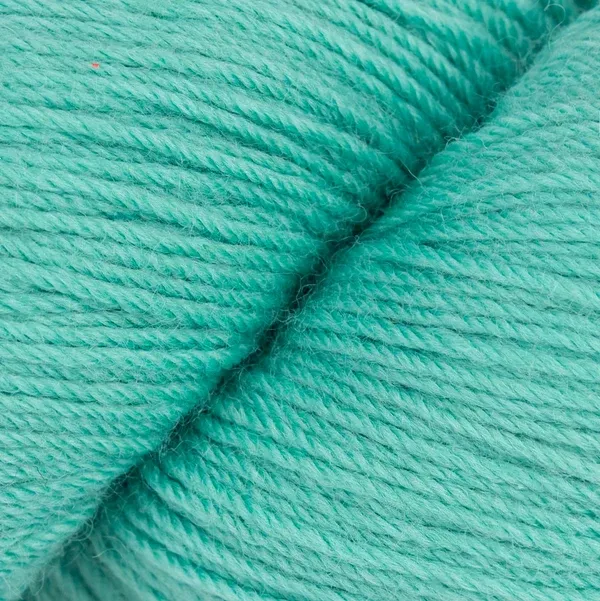
Cascade Yarns
Heritage Sock
75% merino · 25% nylon
- 28
- sts / 10 cm
- 400
- m/100g
- 2.25–3.25
- mm
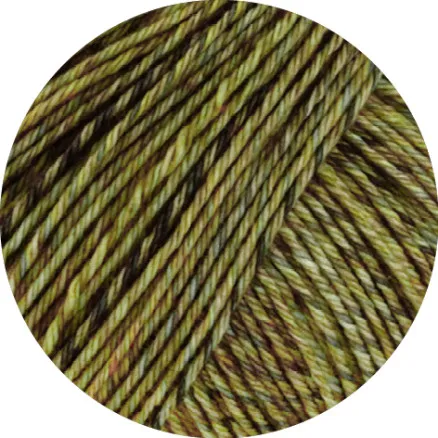
Lana Grossa
Vintage Socks Strømpegarn
75% merino · 25% nylon
- 28
- sts / 10 cm
- 400
- m/100g
- 2.5–3
- mm
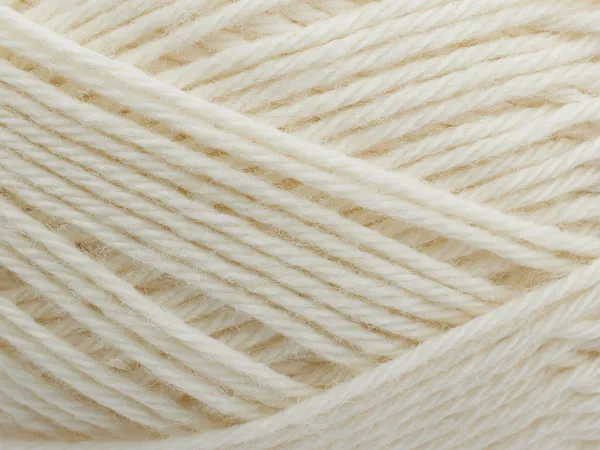
Filcolana
Merci
50% cotton · 50% merino
- 27
- sts / 10 cm
- 400
- m/100g
- 2.5–3.5
- mm
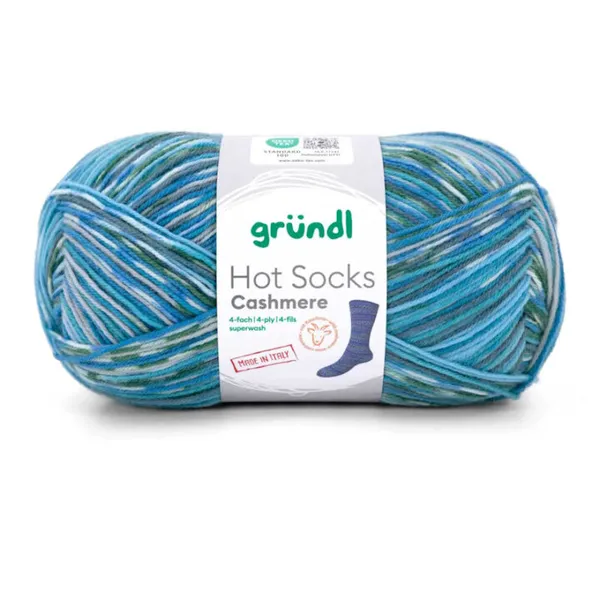
Gründl
Hot Sock Cashmere - strømpegarn
75% merino · 20% nylon · 5% cashmere
- 30
- sts / 10 cm
- 420
- m/100g
- 2.5–3
- mm
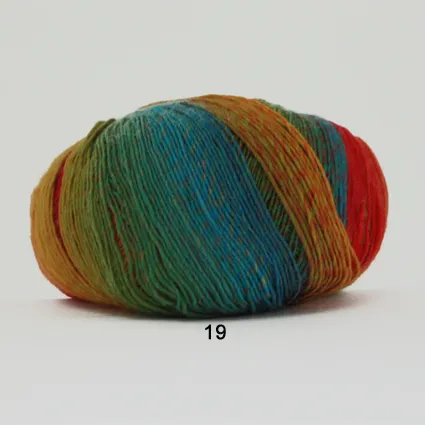
Hjertegarn
- Long colors - strømpegarn
75% merino · 25% nylon
- 28
- sts / 10 cm
- 400
- m/100g
- 2.5–3
- mm
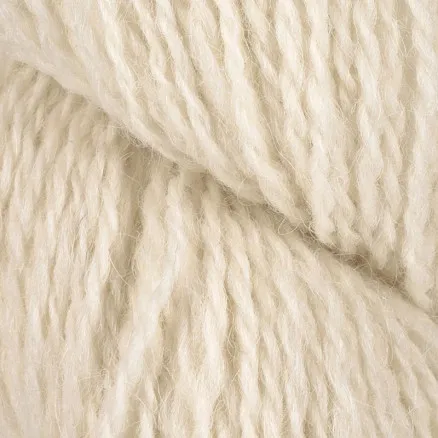
Viking of Norway
Viking Garn Snorre Exclusive Collection Andes Tweed
60% alpaca · 40% merino
- 25
- sts / 10 cm
- 400
- m/100g
- 3
- mm
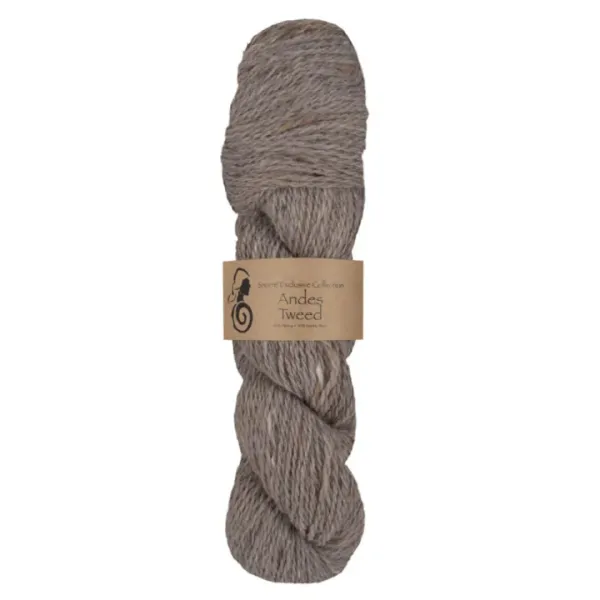
Viking of Norway
Andes Tweeed
60% alpaca · 40% merino
- 25
- sts / 10 cm
- 400
- m/100g
- 3
- mm
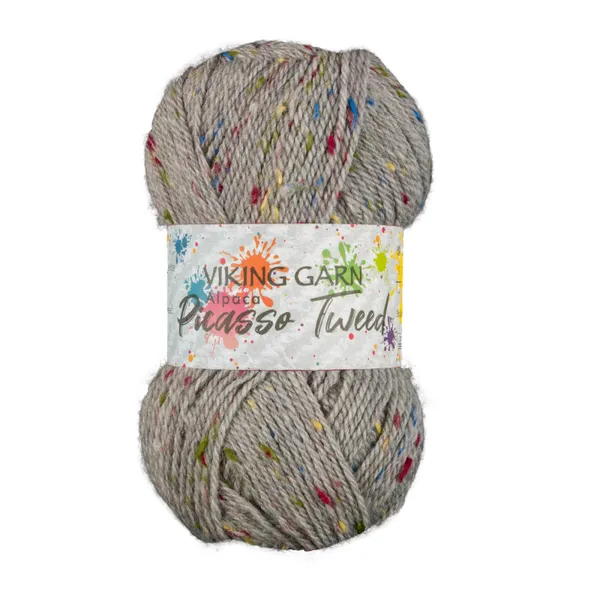
Viking of Norway
Viking Alpaca Picasso Tweed
30% alpaca · 30% merino · 20% nylon
- 28
- sts / 10 cm
- 350
- m/100g
- 3
- mm

Berroco
Vento
50% alpaca · 40% acrylic · 10% merino
- 22
- sts / 10 cm
- 400
- m/100g
- 3.75
- mm
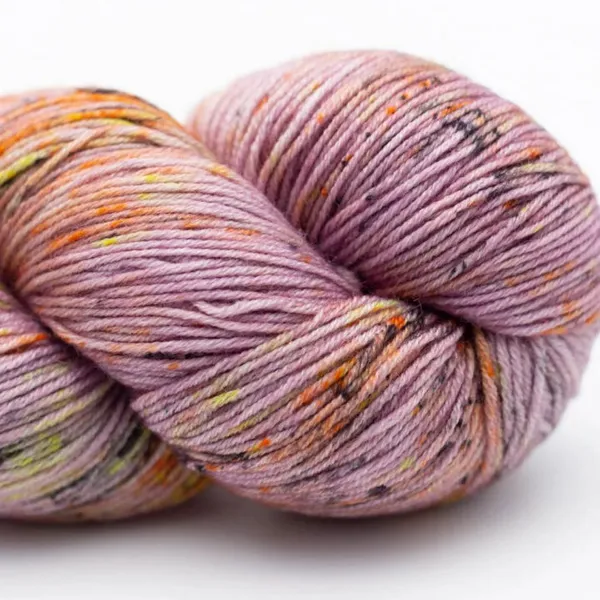
Kremke Soul Wool
Lazy Lion
75% merino · 25% nylon
- 26
- sts / 10 cm
- 420
- m/100g
- 2–3
- mm
Questions about merino yarn
Care, gauge and substitution tips for merino, combined with live data from our catalogue.
Is Merino different from Merino wool?+
No. In a yarn's fibre description, Merino is normally shorthand for Merino wool. It is wool from Merino sheep, rather than a separate fibre type.
Does Merino always mean extra-fine wool?+
No. Merino wool comes in different fibre diameters. Terms such as extra fine provide additional information, but supplier specifications are more useful than assuming a fixed fineness from the breed name alone.
Is every Merino yarn superwash?+
No. Superwash describes a shrink-resistant treatment, not the sheep breed. Both treated and untreated Merino yarns exist. Check the specific product's care instructions and drying method.
How do I choose a substitute for a Merino yarn?+
Compare fineness where stated, construction, complete fibre content and care, then test gauge after washing. Pay attention to stitch definition and recovery if the original pattern uses cables, ribbing or a close fit.