
Merino yarn
Fine sheep's wool for soft fabrics with natural spring
- Sheep fibre
- A type of wool
- Fine fibre options
- Natural spring
- Superwash and untreated
Merino is the name used for wool from Merino sheep. In yarn descriptions it usually points to a fine, soft-handling wool suitable for garments and accessories worn close to the skin. It is still sheep's wool, with the crimp and moisture-absorbing structure associated with that wider fibre family. The shorter name Merino and the fuller term Merino wool refer to the same material.
Read more about merino →Show less
What the Merino name tells you
Merino identifies the wool's source, while fibre diameter helps describe how it feels. Diameter is measured in microns: finer fibres generally bend more readily against the skin and feel softer. Wool from Merino sheep is available in different grades, so the name alone does not guarantee a particular micron count or an identical sensation in every yarn.
The fleece must still be sorted, cleaned, prepared and spun. Those stages help determine whether the result is a smooth, firmly plied yarn, a light and lofty strand or a blend with a different surface. A yarn's Merino content is one part of its identity, alongside construction and any shrink-resistant treatment.
Matching Merino to the fabric you want
A smooth Merino can be useful when a pattern relies on well-defined stitches or elastic ribbing. A softer, more loosely constructed yarn may give another result, even with the same fibre percentage and suggested gauge. Blending Merino with silk, alpaca, cotton or synthetic fibres changes the balance again.
When comparing alternatives, look at the entire yarn rather than treating all Merino as interchangeable. Check metres per gram, ply structure, surface texture and whether the original is superwash. Make a washed sample and assess its recovery, drape and dimensions. For a scarf or collar, feel the sample against the area where it will be worn. This gives more useful information than a general promise that a fibre is soft or itch-free.
- Yarns
- 365
- 154 pure (≥90 %)
- Gauge
- 8–38
- sts / 10 cm
- Needles
- 1.5–12 mm
- Typical length
- 266 m
- per 100 g
Often blended with
Brands with merino yarns
All merino yarns
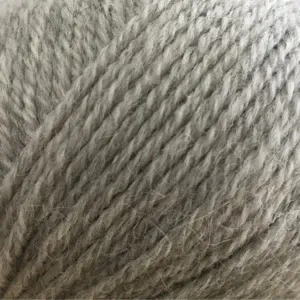
Gepard Garn
Pura Lana
50% alpaca · 50% merino
- 21
- sts / 10 cm
- 230
- m/100g
- 4–5
- mm
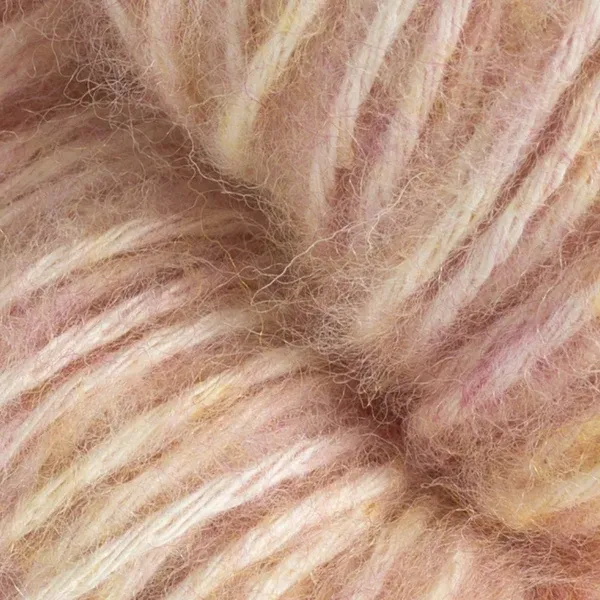
Berroco
Aurelia
74% cotton · 26% merino
- 19
- sts / 10 cm
- 244
- m/100g
- 4.5
- mm
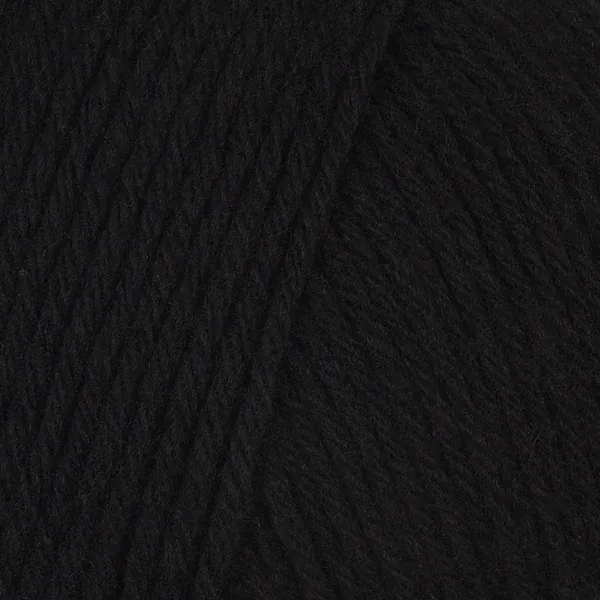
Valley Yarns
Wachusett
70% merino · 30% cashmere
- 19
- sts / 10 cm
- 298
- m/100g
- 4.5
- mm
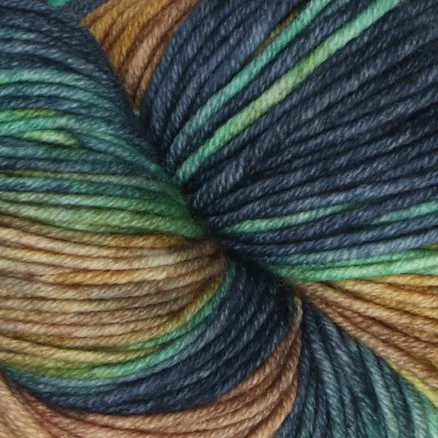
Symfonie Yarns
By KnitPro Viva
100% merino
- 22
- sts / 10 cm
- 220
- m/100g
- 4
- mm
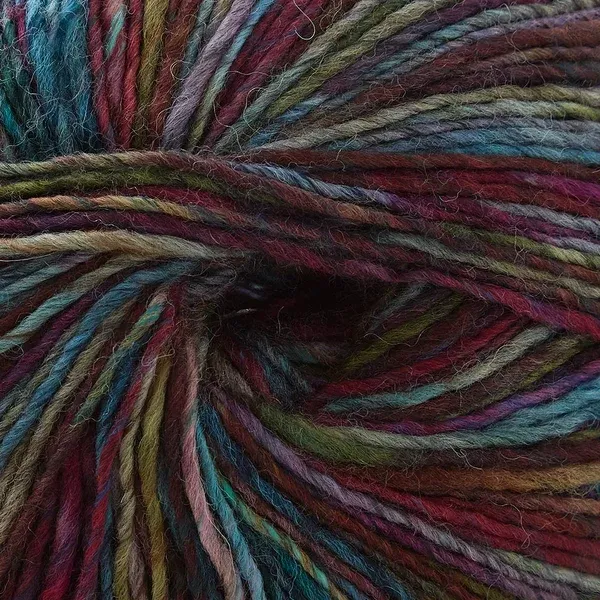
Tahki Yarns
Aurora
70% merino · 30% acrylic
- 21
- sts / 10 cm
- 239
- m/100g
- 4
- mm
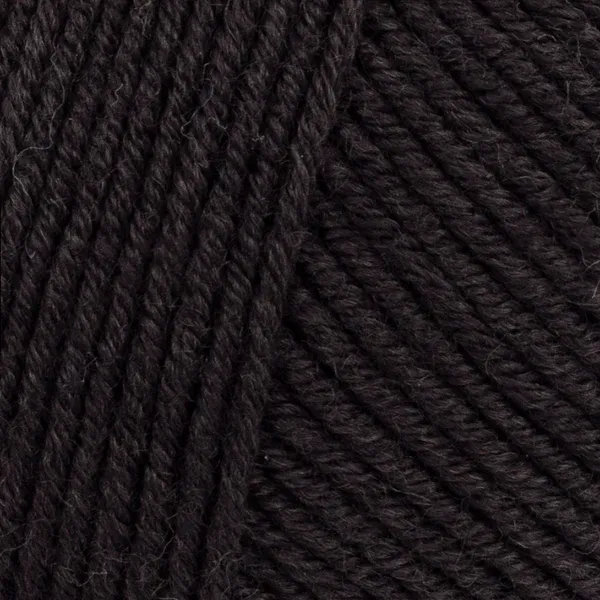
Yarn and Colors
Serene
100% merino
- 22
- sts / 10 cm
- 220
- m/100g
- 4
- mm
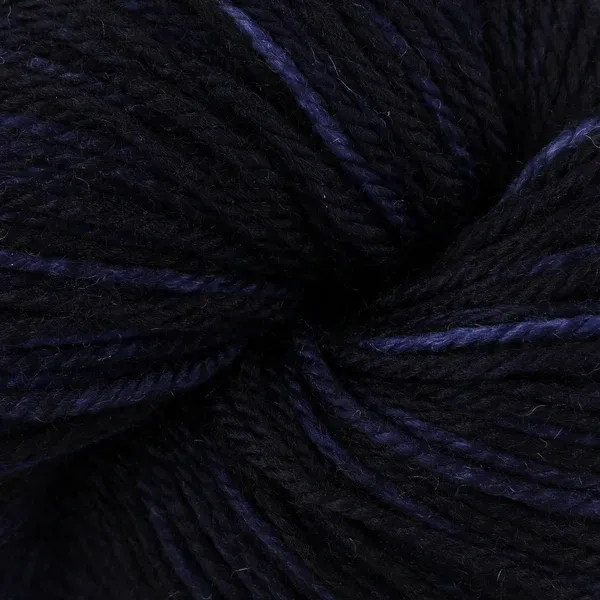
Koigu
Jasmine
100% merino
- 22
- sts / 10 cm
- 221
- m/100g
- 4
- mm
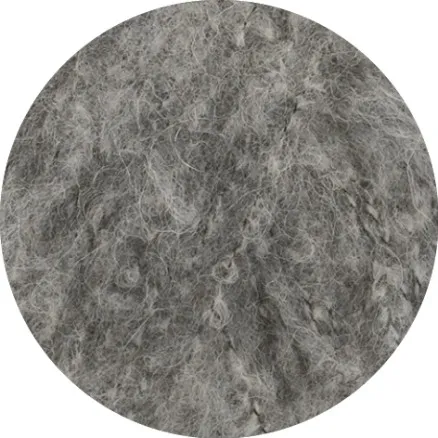
Lana Grossa
Milano
50% alpaca · 40% merino · 10% nylon
- 15
- sts / 10 cm
- 280
- m/100g
- 4.5
- mm
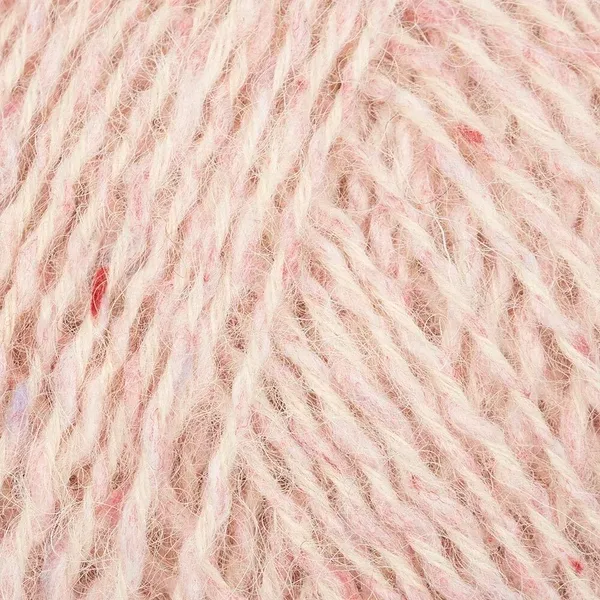
Lana Grossa
Fashion Tweed
71% merino · 17% alpaca · 12% nylon
- 16
- sts / 10 cm
- 260
- m/100g
- 4
- mm
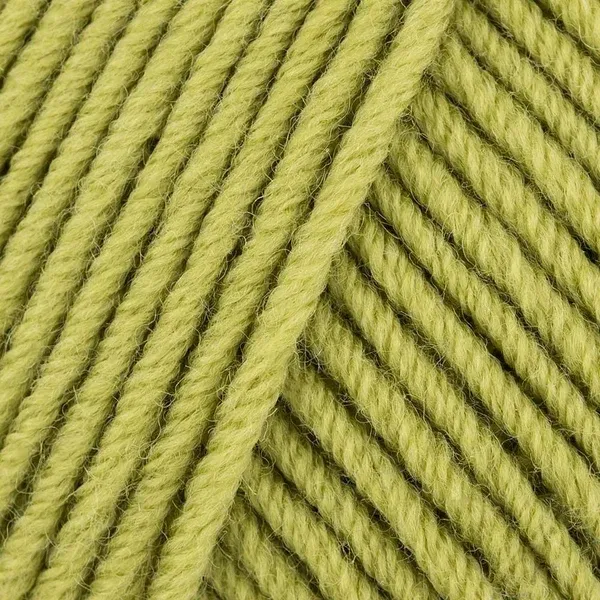
Debbie Bliss
Rialto DK
100% merino
- 22
- sts / 10 cm
- 210
- m/100g
- 4
- mm
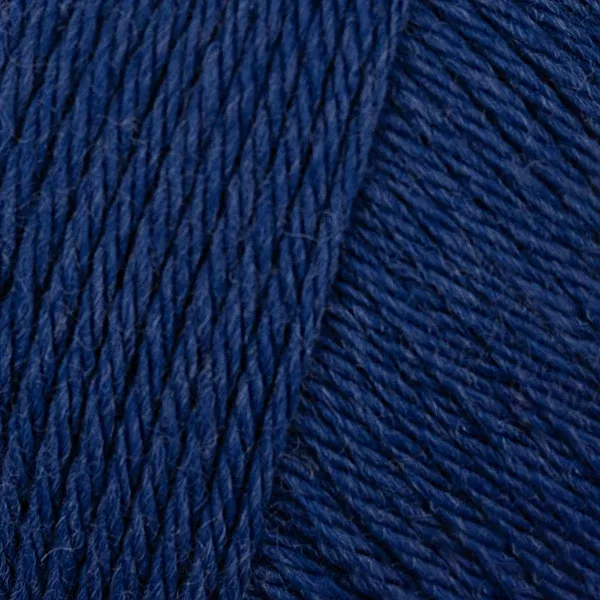
King Cole
Luxury Yak DK
85% merino · 15% wool
- 22
- sts / 10 cm
- 224
- m/100g
- 4
- mm
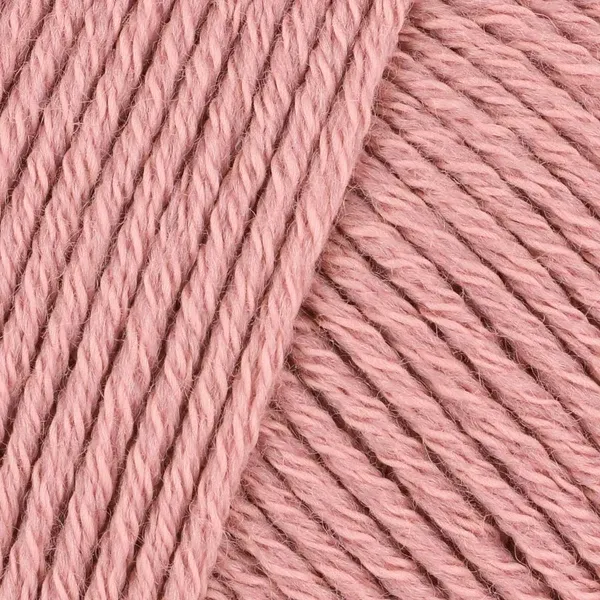
Trendsetter Yarns
Wisdom
53% merino · 47% cotton
- 22
- sts / 10 cm
- 246
- m/100g
- 3.5–4.5
- mm
Valley Yarns
Haydenville
60% merino · 40% acrylic
- 20
- sts / 10 cm
- 201
- m/100g
- 4.5
- mm
Cascade Yarns
Anchor Bay
50% cotton · 50% merino
- 22
- sts / 10 cm
- 240
- m/100g
- 4
- mm
Valley Yarns
Northfield
70% merino · 20% alpaca · 10% silk
- 22
- sts / 10 cm
- 226
- m/100g
- 4
- mm
Cascade Yarns
Elysian
60% merino · 40% acrylic
- 20
- sts / 10 cm
- 200
- m/100g
- 4.5
- mm
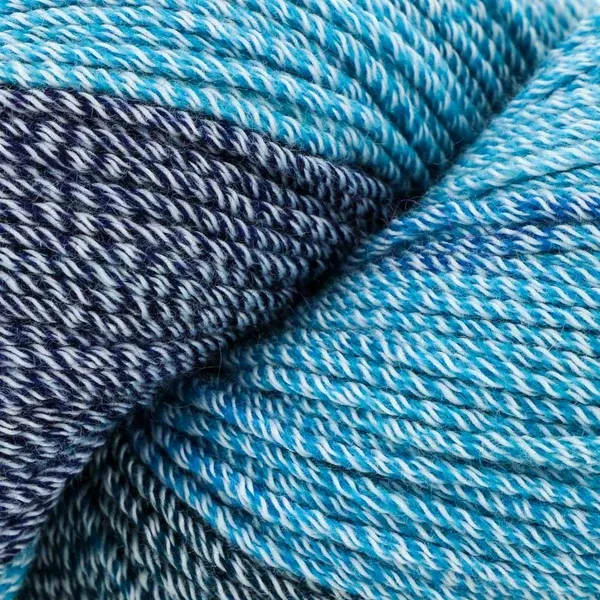
Cascade Yarns
Anchor Bay Hand Paints
50% cotton · 50% merino
- 22
- sts / 10 cm
- 240
- m/100g
- 4
- mm
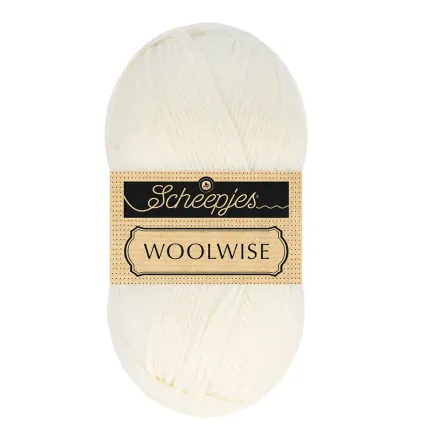
Scheepjes
Woolwise
100% merino
- 30
- sts / 10 cm
- 200
- m/100g
- 4
- mm
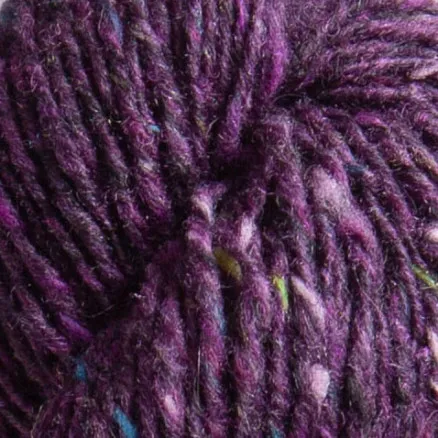
Järbo
Select No.1 Mohair Tweed
70% merino · 30% mohair
- 19
- sts / 10 cm
- 220
- m/100g
- 4
- mm
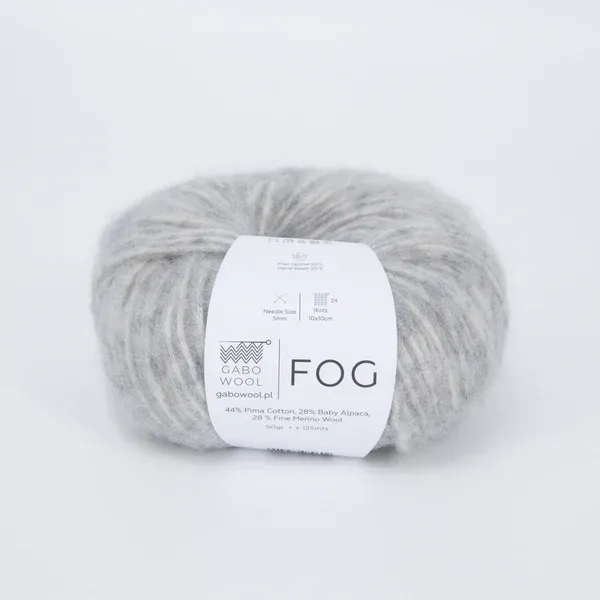
Gabo Wool
FOG
44% cotton · 28% alpaca · 28% merino
- 16
- sts / 10 cm
- 250
- m/100g
- 4–6
- mm
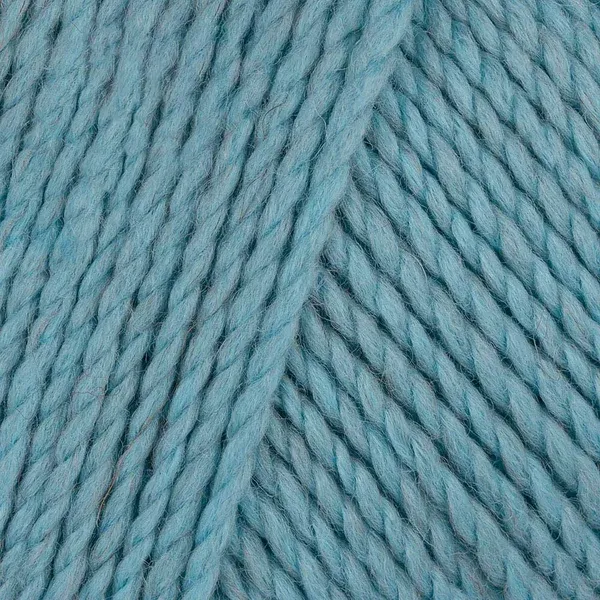
Willow and Lark
Willow & Lark Poetry
60% merino · 10% camel
- 22
- sts / 10 cm
- 230
- m/100g
- 4
- mm
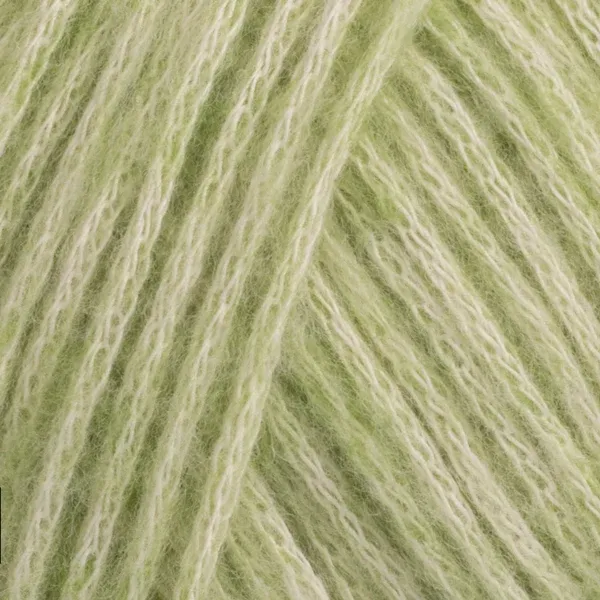
Juniper Moon Farm
Cotton + Merino
70% cotton · 30% merino
- 20
- sts / 10 cm
- 209
- m/100g
- 4.5
- mm
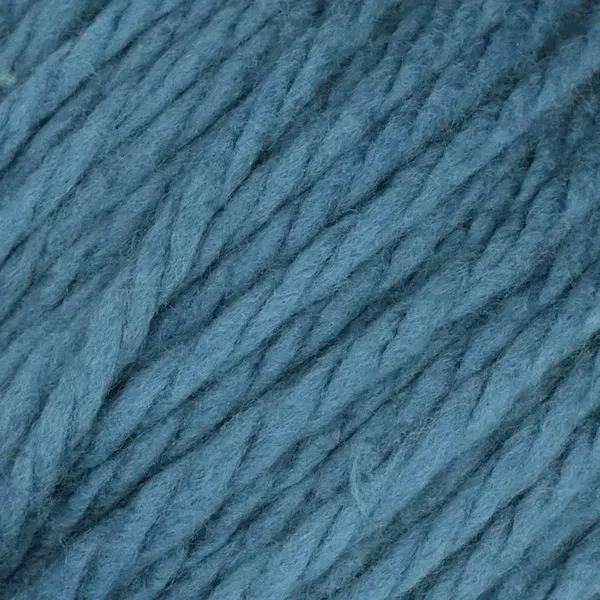
Juniper Moon Farm
Big Merino Wool
70% cotton · 30% merino
- 20
- sts / 10 cm
- 209
- m/100g
- 4.5
- mm
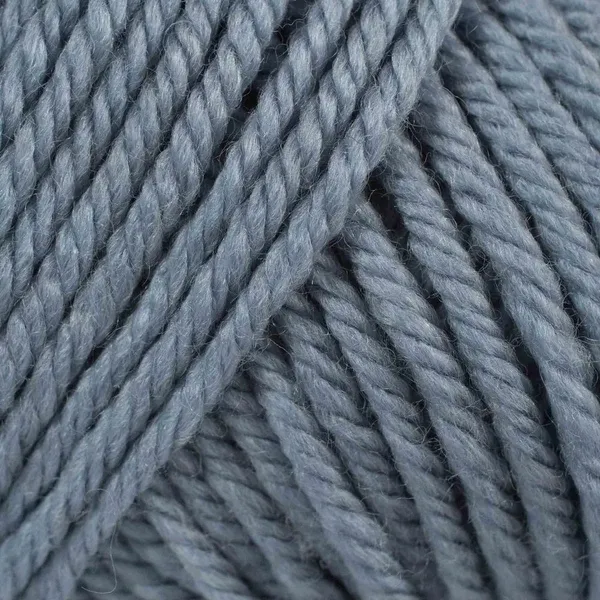
Debbie Bliss
Cashmerino DK
55% merino · 33% acrylic · 12% cashmere
- 22
- sts / 10 cm
- 220
- m/100g
- 4
- mm
Questions about merino yarn
Care, gauge and substitution tips for merino, combined with live data from our catalogue.
Is Merino different from Merino wool?+
No. In a yarn's fibre description, Merino is normally shorthand for Merino wool. It is wool from Merino sheep, rather than a separate fibre type.
Does Merino always mean extra-fine wool?+
No. Merino wool comes in different fibre diameters. Terms such as extra fine provide additional information, but supplier specifications are more useful than assuming a fixed fineness from the breed name alone.
Is every Merino yarn superwash?+
No. Superwash describes a shrink-resistant treatment, not the sheep breed. Both treated and untreated Merino yarns exist. Check the specific product's care instructions and drying method.
How do I choose a substitute for a Merino yarn?+
Compare fineness where stated, construction, complete fibre content and care, then test gauge after washing. Pay attention to stitch definition and recovery if the original pattern uses cables, ribbing or a close fit.