
Alpaca yarn
Andean animal fibre with warmth, natural colours and a flowing fabric
- Animal fibre
- Huacaya and Suri
- Natural colour range
- Fine fibre grades
- Pure and blended yarns
Alpaca yarn is made from the fleece of the alpaca, a South American camelid with a long connection to textile production in the Andes. The fibre appears in pure yarns and in blends with wool, silk, cotton or manufactured fibres. Knitters often choose it for warm accessories and fabrics with a soft surface and flowing drape, but its character changes with the grade and construction of the yarn.
Read more about alpaca →Show less
An Andean fibre with two fleece types
Alpacas have been kept alongside people in the Andean highlands for generations, and their fibre remains closely connected to the region's textile work. The fleece occurs in a range of natural shades, including whites, browns, greys and dark tones, providing options for both undyed and dyed yarns.
The two fleece types are Huacaya and Suri. Huacaya fibres have a wavy crimp, while Suri fibres grow in straighter, lustrous locks. Sorting by colour and fibre quality helps turn that variation into usable textile material. Fineness is especially relevant when the finished item will touch the neck or face.
Reading alpaca yarn descriptions
Baby alpaca is a commercial fineness description rather than proof that every fibre came from a young animal. Grade names are not used consistently worldwide, so a stated micron range offers a clearer basis for comparison when available. Alpaca does not contain lanolin, but that fact should not be treated as a guarantee of comfort for everyone.
In a project, check whether the yarn produces the recovery, weight and surface you need. A flowing alpaca fabric may suit a shawl while behaving differently from the springier wool fabric intended for a fitted sweater. Some alpaca blends also have a brushed or blown construction that changes their apparent thickness. For substitution, sample the actual stitch pattern, wash according to the label and assess drape as well as gauge. Support the wet sample during handling so its own weight does not distort the assessment.
- Yarns
- 54
- 8 pure (≥90 %)
- Gauge
- 9–31
- sts / 10 cm
- Needles
- 2–10 mm
- Typical length
- 280 m
- per 100 g
Often blended with
Brands with alpaca yarns
All alpaca yarns
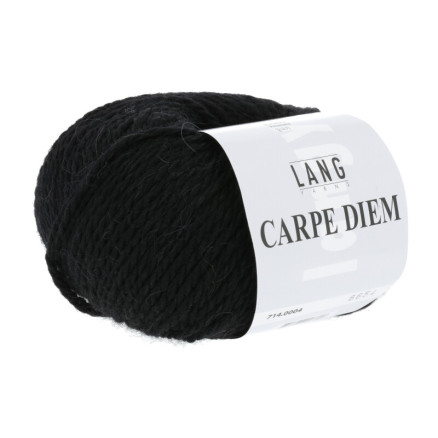
Lang Yarns
Carpe Diem
70% merino · 30% alpaca
- 16
- sts
- 180
- m/100g
- 6
- mm
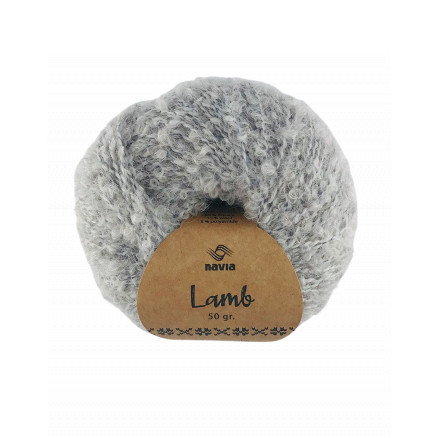
Navia
Lamb
80% alpaca · 15% wool · 5% nylon
- 22
- sts
- 280
- m/100g
- 6
- mm
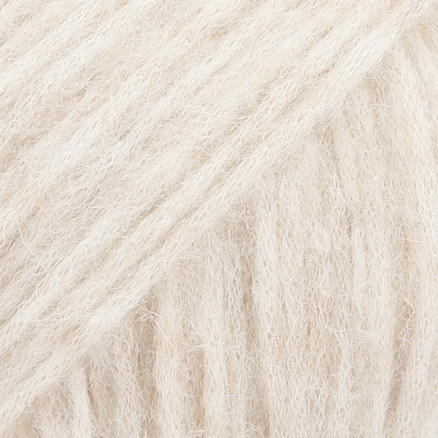
DROPS Design
Air
65% alpaca · 28% nylon · 7% wool
- 17
- sts
- 300
- m/100g
- 5–6
- mm

Gepard Garn
Puno
68% alpaca · 22% nylon · 10% merino
- 14
- sts
- 220
- m/100g
- 6
- mm
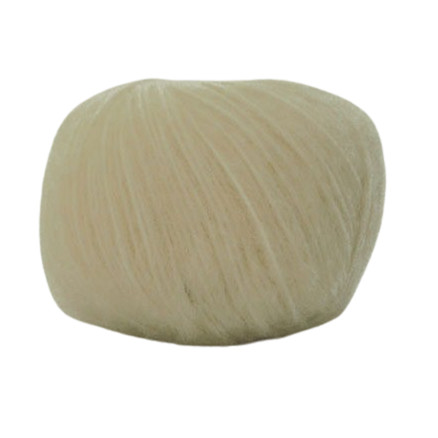
Hjertegarn
Dream Air
53% wool · 25% nylon · 22% alpaca
- 17
- sts
- 400
- m/100g
- 6
- mm
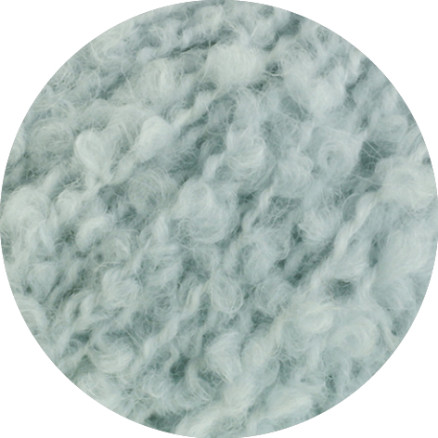
Lana Grossa
Orsetto
60% merino · 40% alpaca
- 12
- sts
- 150
- m/100g
- 7
- mm

Kremke Soul Wool
Baby Silk Fluffy
86% alpaca · 14% silk
- 16
- sts
- 400
- m/100g
- 5
- mm
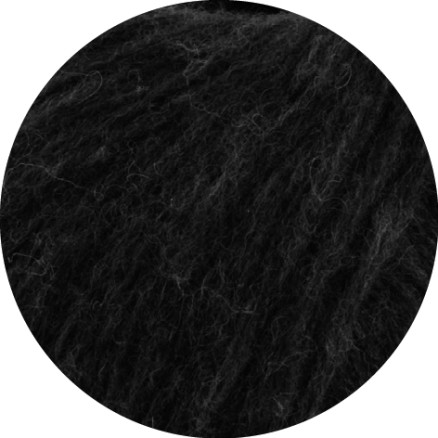
Lana Grossa
Airy
42% alpaca · 40% cotton · 18% merino
- 15
- sts
- 340
- m/100g
- 6
- mm
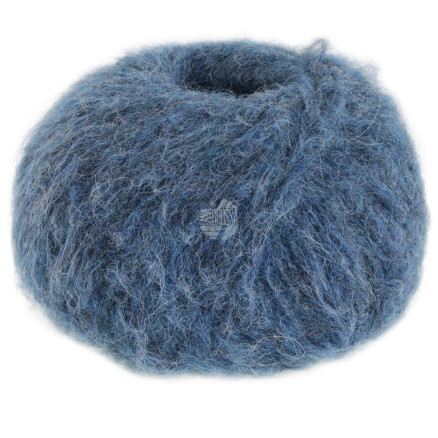
Lana Grossa
Natural Alpaca Lungo Garn 07 Petroleumsblå
89% alpaca · 11% nylon
- 19
- sts
- 380
- m/100g
- 5
- mm

Lana Grossa
Picasso
36% alpaca · 36% merino · 28% nylon
- 16
- sts
- 420
- m/100g
- 6
- mm
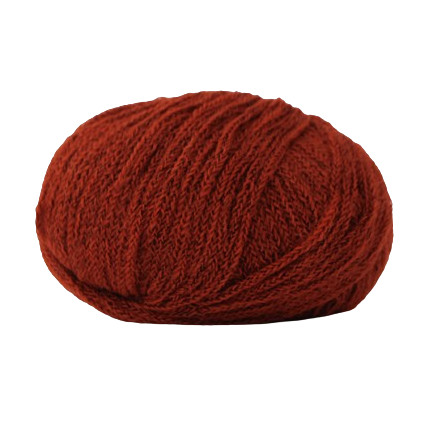
Hjertegarn
Rustic Alpaca
83% alpaca · 17% nylon
- 22
- sts
- 500
- m/100g
- 5
- mm
Lana Grossa
Pelo Cashmere
54% cotton · 33% alpaca · 10% cashmere · 3% wool
- 17
- sts
- 250
- m/100g
- 6
- mm
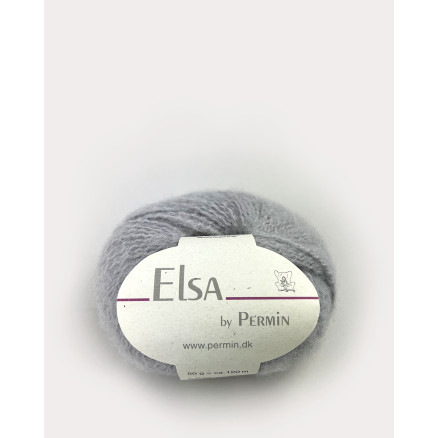
Permin
Elsa by Permin
57% wool · 43% alpaca
- 14
- sts
- 240
- m/100g
- 5
- mm
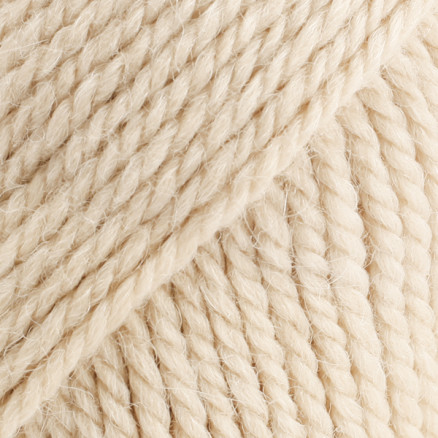
DROPS Design
Nepal
65% wool · 35% alpaca
- 17
- sts
- 150
- m/100g
- 5–6
- mm
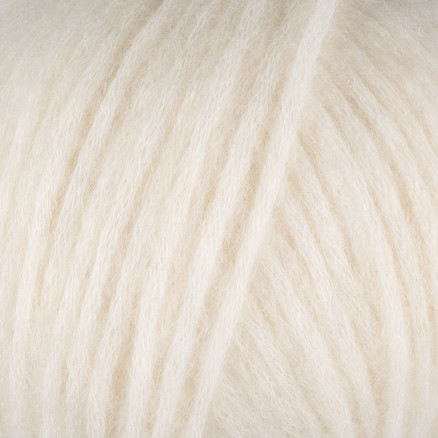
Nordic Sky
Kiruna
63% alpaca · 30% nylon · 7% merino
- 17
- sts
- 300
- m/100g
- 5
- mm
Viking of Norway
Viking Garn Alpaca Bris
60% alpaca · 29% nylon · 11% merino
- 15
- sts
- 300
- m/100g
- 5
- mm

Lana Grossa
Nebbia
55% merino · 45% alpaca
- 16
- sts
- 340
- m/100g
- 5
- mm
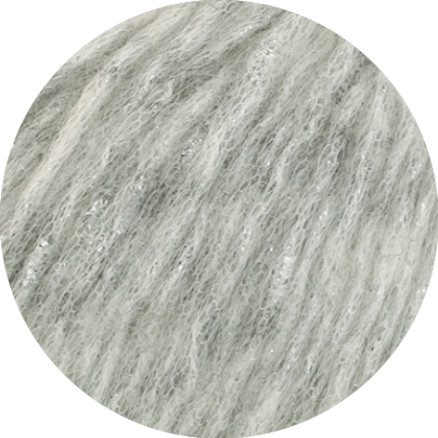
Lana Grossa
Lucciola
29% nylon · 24% merino · 22% bamboo · 20% alpaca
- 15.5
- sts
- 260
- m/100g
- 5
- mm
Lana Grossa
Pelliccia
48% merino · 38% alpaca · 14% nylon
- 15
- sts
- 180
- m/100g
- 5
- mm
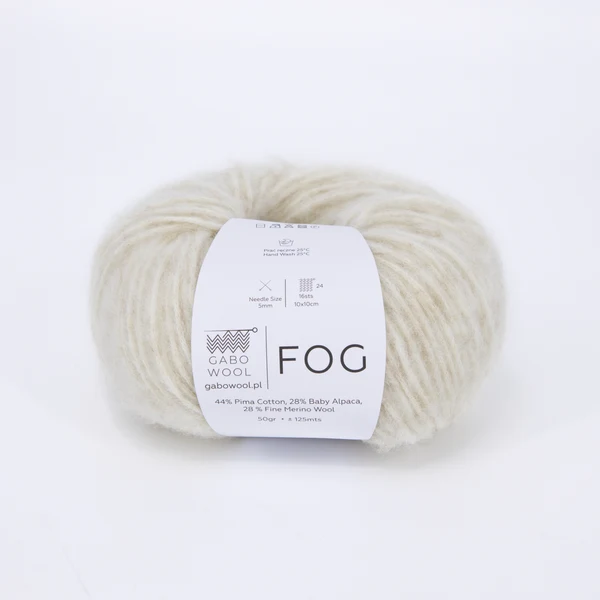
Gabo Wool
FOG
44% cotton · 28% alpaca · 28% merino
- 16
- sts
- 250
- m/100g
- 4–6
- mm
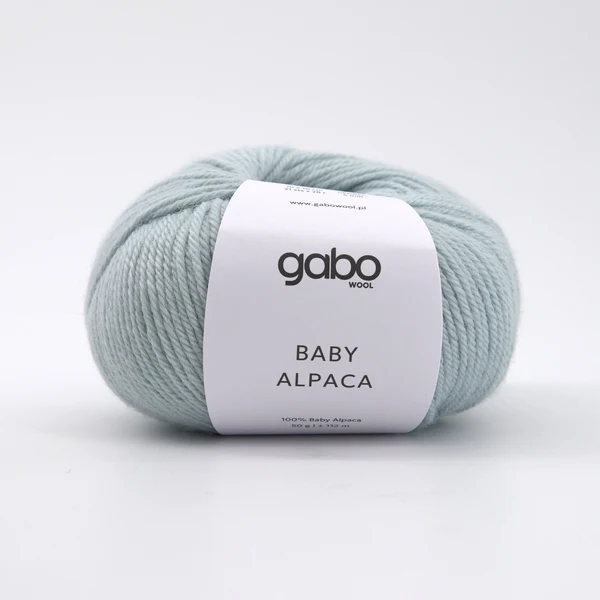
Gabo Wool
Baby Alpaca
100% alpaca
- 21
- sts
- 224
- m/100g
- 3–5
- mm

Gepard Garn
Pura Lana
50% alpaca · 50% merino
- 21
- sts
- 230
- m/100g
- 4–5
- mm

Gabo Wool
Baby Silk Yak
42% alpaca · 35% silk · 13% merino · 10% yak
- 20
- sts
- 800
- m/100g
- 3–5
- mm
Questions about alpaca yarn
Care, gauge and substitution tips for alpaca, combined with live data from our catalogue.
Does baby alpaca come only from baby animals?+
No. The term is generally used for a fine grade of alpaca fibre. Naming varies between suppliers and countries, so check any available fibre-diameter specification rather than interpreting baby as a guarantee of the animal's age.
What is the difference between Huacaya and Suri alpaca?+
Huacaya fleece has wavy, crimped fibres; Suri fleece grows in straighter, lustrous locks. The spinning method and blend still influence the final yarn, so fleece type alone does not predict the whole fabric.
Can alpaca yarn replace wool?+
It can, if the finished sample suits the design. Pay particular attention to drape, weight and ribbing recovery. For a fitted garment, a wool-and-alpaca blend may provide a different balance from pure alpaca.
Can alpaca yarn be machine washed?+
Follow the product label. Alpaca yarns have different blends and finishes, and the fibre name does not establish a universal washing method. Test the specified care routine on your swatch before using it to calculate garment dimensions.