Hilo de Wool
Natural warmth and spring, with a different character in every fleece
- Sheep fibre
- Natural crimp
- Warmth and resilience
- Pure and blended yarns
- Superwash options
Wool yarn comes from sheep, but the word covers a wide range of materials. A smooth Merino yarn, a lofty woollen-spun colourwork yarn and a sturdy outerwear wool can all carry the same fibre name while producing very different fabrics. Breed, fibre fineness, spinning and finishing help explain those differences. For knitting and crochet, wool's appeal lies partly in its natural spring: it can make ribbing recover, cables stand out and a fabric feel comfortably flexible.
Leer más sobre wool →Mostrar menos
From sheep fleece to knitting yarn
Wool is a protein fibre made mainly from keratin. Sheep grow a fleece that is shorn, sorted and washed before further processing. Washing the raw fleece, known as scouring, removes dirt and much of its wool grease. The clean fibres then follow different preparation and spinning routes.
Woollen processing generally produces an airy yarn with fibres arranged less uniformly. Worsted processing aligns and combs the fibres for a smoother result. These are manufacturing terms: a worsted-spun yarn is not necessarily the thickness called worsted weight. That distinction is useful when a pattern depends on the loft or surface of a particular yarn.
What wool contributes to a project
The fibre's crimp helps trap air and contributes to elasticity, while its internal structure can absorb water vapour. The resulting fabric still depends on stitch density and construction. A tightly worked mitten and an open lace shawl will not offer the same warmth simply because both contain wool.
Wool also has surface scales associated with felting. Shrink-resistant treatments change that behaviour, so superwash and untreated yarns deserve separate attention. When choosing a substitute, compare the original yarn's preparation, twist and care instructions alongside gauge. Wash the sample before measuring it, and check how it behaves when stretched and released. Matching the label's wool percentage is a starting point; matching the fabric is what makes the replacement useful.
- Hilos
- 122
- 46 puros (≥90 %)
- Tensión de tejido
- 8–36
- pts / 10 cm
- Agujas
- 2–12 mm
- Longitud habitual
- 250 m
- por 100 g
Se suele mezclar con
Marcas con hilos de wool
Todos los hilos de wool

DROPS Design
Karisma
100% lana
- 21
- pts
- 200
- m/100g
- 4
- mm

Ístex
Léttlopi / Islandsk garn
100% lana
- 18
- pts
- 200
- m/100g
- 5
- mm

Hjertegarn
Lima
100% lana
- 20
- pts
- 200
- m/100g
- 5
- mm
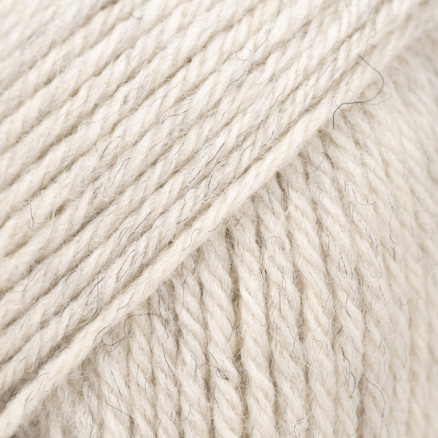
DROPS Design
Saga
100% lana
- 21
- pts
- 200
- m/100g
- 4
- mm
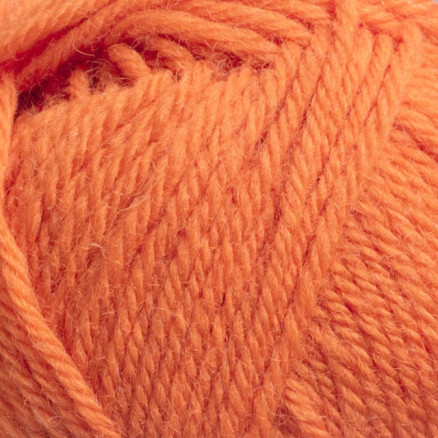
Järbo
Alpe
100% lana
- 19
- pts
- 200
- m/100g
- 4
- mm

Scheepjes
Whirligigette
80% lana · 20% alpaca
- 20
- pts
- 215
- m/100g
- 4
- mm
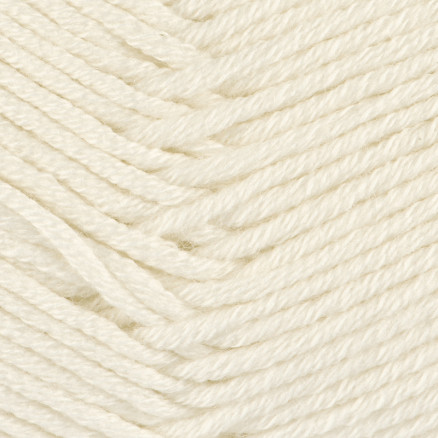
Dale Garn
Lerke
53% lana · 47% algodón
- 22
- pts
- 230
- m/100g
- 4
- mm

Gabo Wool
KROOPA WOOL
100% lana
- 22
- pts
- 200
- m/100g
- 4–5
- mm
Cascade Yarns
220 Wool
100% lana
- 20
- pts
- 200
- m/100g
- 5–5
- mm

Noro
Haunui Silk
65% lana · 35% seda
- —
- pts
- 220
- m/100g
- 5–5
- mm
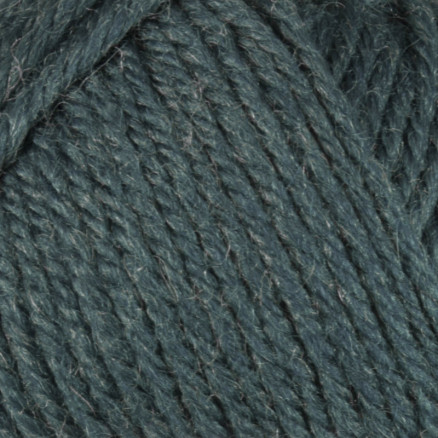
Viking of Norway
Viking Garn Superwash
100% lana
- 22
- pts
- 200
- m/100g
- 4
- mm

DROPS Design
Cotton Merino
50% lana · 50% algodón
- 21
- pts
- 220
- m/100g
- 4
- mm

DROPS Design
Lima
65% lana · 35% alpaca
- 21
- pts
- 200
- m/100g
- 4
- mm
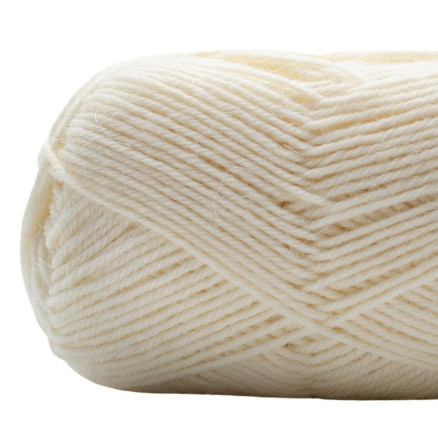
Kremke Soul Wool
Edelweiss Alpaka 4-fach
65% lana · 25% nailon · 10% alpaca
- 30
- pts
- 200
- m/100g
- 2
- mm

Noro
Akari
26% seda · 21% algodón · 15% viscosa · 14% mohair · 12% lana · 12% nailon
- —
- pts
- 243
- m/100g
- 5–6
- mm
Lana Grossa
Pelo Cashmere
54% algodón · 33% alpaca · 10% cachemira · 3% lana
- 17
- pts
- 250
- m/100g
- 6
- mm
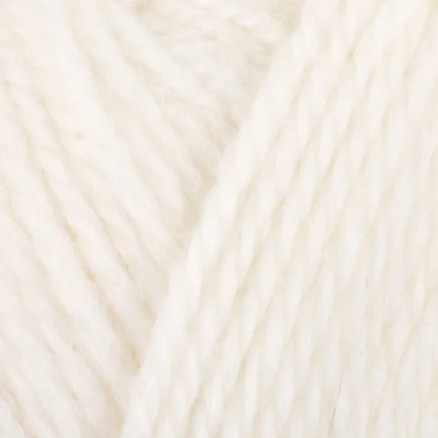
Viking of Norway
Viking Garn Sportsragg
60% lana · 20% nailon · 20% acrílico
- 23
- pts
- 200
- m/100g
- 4
- mm

DROPS Design
Melody
71% alpaca · 25% lana · 4% nailon
- 14
- pts
- 280
- m/100g
- 7
- mm
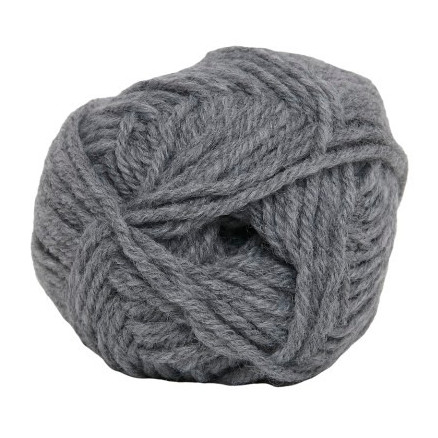
Hjertegarn
Deco
80% acrílico · 20% lana
- 21
- pts
- 224
- m/100g
- 4
- mm

Permin
Bella by Permin
75% mohair · 20% lana · 5% nailon
- 14
- pts
- 290
- m/100g
- 6
- mm
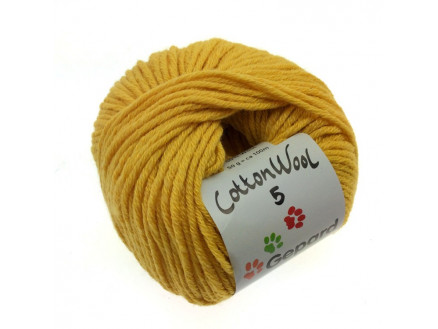
Gepard Garn
CottonWool 5
50% lana · 50% algodón
- 18
- pts
- 200
- m/100g
- 5
- mm
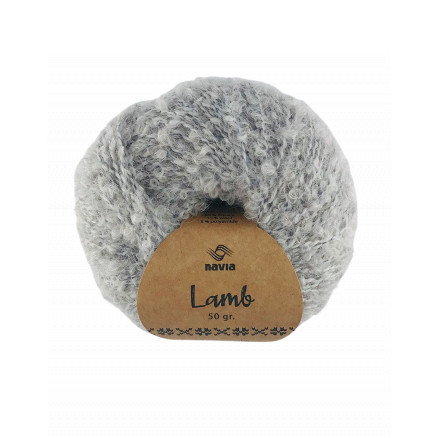
Navia
Lamb
80% alpaca · 15% lana · 5% nailon
- 22
- pts
- 280
- m/100g
- 6
- mm

Viking of Norway
Viking Garn Norgesraggen
40% lana · 40% acrílico · 20% nailon
- 23
- pts
- 200
- m/100g
- 4
- mm
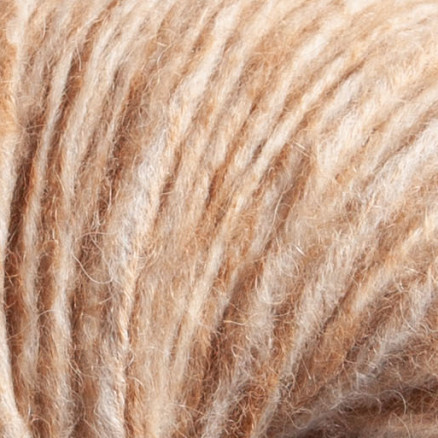
Järbo
Select No.5 Botanically Dyed Alpaca Blend
42% alpaca · 30% algodón · 28% lana
- 16
- pts
- 200
- m/100g
- 5
- mm
Preguntas sobre los hilos de wool
Cuidados, tensión de tejido y consejos para sustituir hilos con wool, junto con datos actualizados de nuestro catálogo.
Is Merino the same as wool?+
Merino is a type of sheep's wool, named for the sheep that produce it. Wool is the broader category and includes many breeds. A yarn labelled only wool does not necessarily contain Merino.
What is the difference between woollen-spun and worsted-spun yarn?+
Woollen-spun yarn is generally loftier and less smooth, while worsted preparation aligns the fibres for a smoother yarn. These terms describe processing, not the yarn-weight category. Either type can be made in different thicknesses.
Can all wool yarn go in the washing machine?+
No. Some wool has a shrink-resistant treatment and a machine-wash care instruction; other yarns require hand washing. Follow the specific yarn label, including its drying instructions. A washing machine's wool programme alone does not establish that a yarn is machine washable.
Can I replace wool with cotton in a pattern?+
Sometimes, but expect a different fabric. Cotton usually offers less spring and recovery. Swatch the actual stitch pattern, wash it and check drape, dimensions and ribbing before committing to a garment, especially one designed to stretch around the body.