
Wool yarn
Natural warmth and spring, with a different character in every fleece
- Sheep fibre
- Natural crimp
- Warmth and resilience
- Pure and blended yarns
- Superwash options
Wool yarn comes from sheep, but the word covers a wide range of materials. A smooth Merino yarn, a lofty woollen-spun colourwork yarn and a sturdy outerwear wool can all carry the same fibre name while producing very different fabrics. Breed, fibre fineness, spinning and finishing help explain those differences. For knitting and crochet, wool's appeal lies partly in its natural spring: it can make ribbing recover, cables stand out and a fabric feel comfortably flexible.
Read more about wool →Show less
From sheep fleece to knitting yarn
Wool is a protein fibre made mainly from keratin. Sheep grow a fleece that is shorn, sorted and washed before further processing. Washing the raw fleece, known as scouring, removes dirt and much of its wool grease. The clean fibres then follow different preparation and spinning routes.
Woollen processing generally produces an airy yarn with fibres arranged less uniformly. Worsted processing aligns and combs the fibres for a smoother result. These are manufacturing terms: a worsted-spun yarn is not necessarily the thickness called worsted weight. That distinction is useful when a pattern depends on the loft or surface of a particular yarn.
What wool contributes to a project
The fibre's crimp helps trap air and contributes to elasticity, while its internal structure can absorb water vapour. The resulting fabric still depends on stitch density and construction. A tightly worked mitten and an open lace shawl will not offer the same warmth simply because both contain wool.
Wool also has surface scales associated with felting. Shrink-resistant treatments change that behaviour, so superwash and untreated yarns deserve separate attention. When choosing a substitute, compare the original yarn's preparation, twist and care instructions alongside gauge. Wash the sample before measuring it, and check how it behaves when stretched and released. Matching the label's wool percentage is a starting point; matching the fabric is what makes the replacement useful.
- Yarns
- 604
- 187 pure (≥90 %)
- Gauge
- 6–36
- sts / 10 cm
- Needles
- 2–20 mm
- Typical length
- 226 m
- per 100 g
Often blended with
Brands with wool yarns
All wool yarns
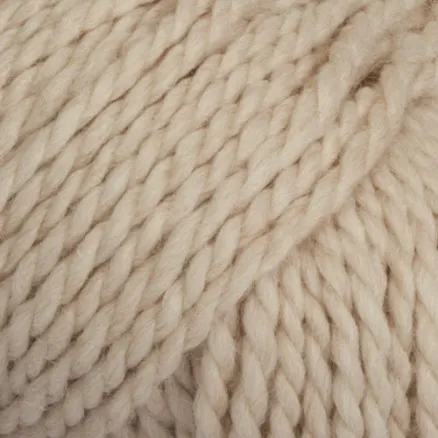
DROPS Design
Andes
65% wool · 35% alpaca
- 10
- sts / 10 cm
- 96
- m/100g
- 9
- mm
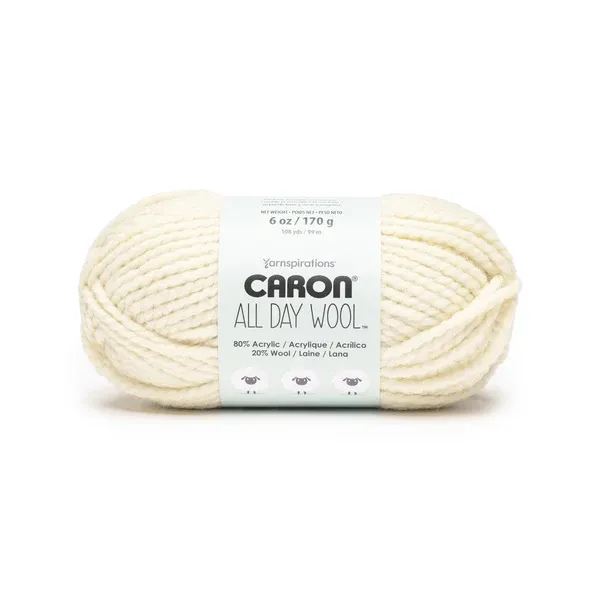
Caron
All Day Wool Yarn (170g/6oz)
80% acrylic · 20% wool
- 9
- sts / 10 cm
- 58
- m/100g
- 9
- mm
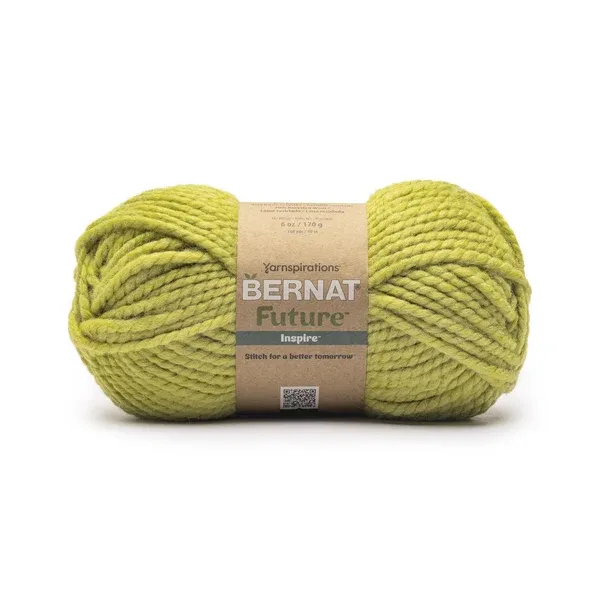
Bernat
Future Inspire Yarn (170g/6oz)
80% acrylic · 20% wool
- 9
- sts / 10 cm
- 58
- m/100g
- 9
- mm
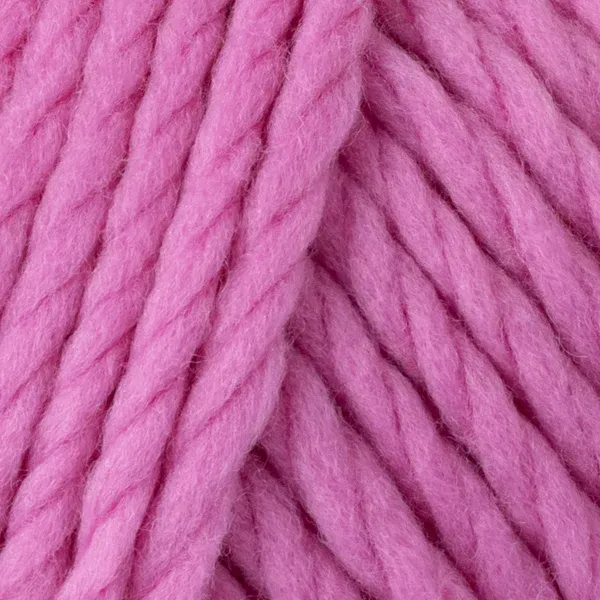
Rowan
Big Wool
100% wool
- 9
- sts / 10 cm
- 80
- m/100g
- 10
- mm
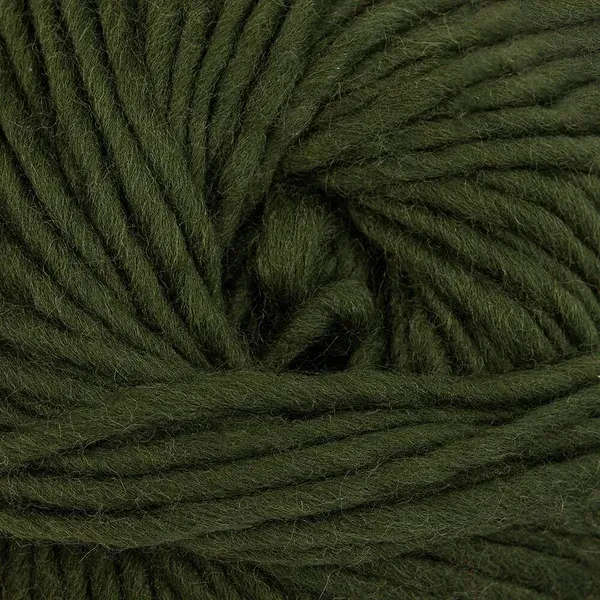
West Yorkshire Spinners
Re:Treat Super Chunky
100% wool
- 9
- sts / 10 cm
- 60
- m/100g
- 10
- mm
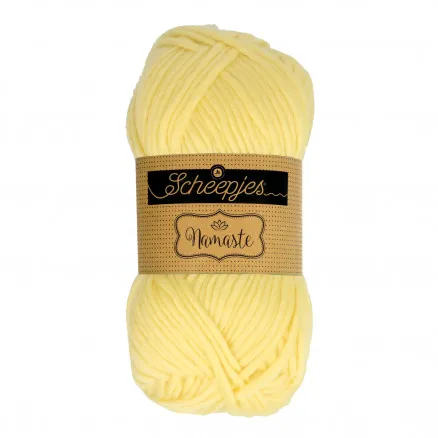
Scheepjes
Namaste
50% wool · 50% acrylic
- 12
- sts / 10 cm
- 85
- m/100g
- 8
- mm
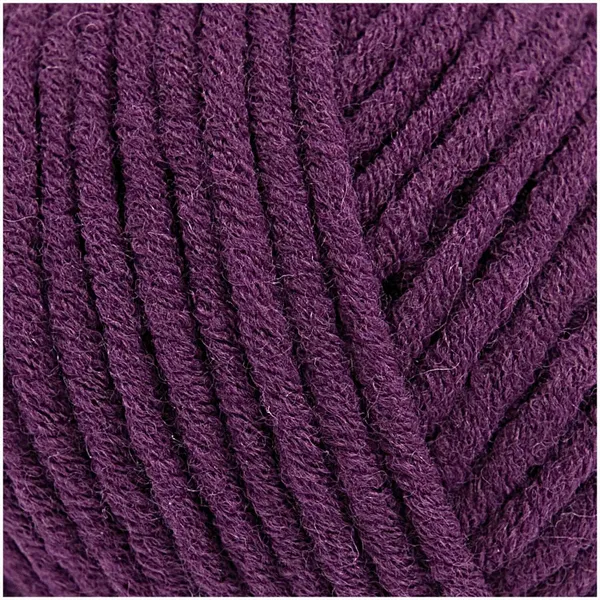
Rico Design
Essentials Big
50% wool · 50% acrylic
- 11
- sts / 10 cm
- 90
- m/100g
- 7–8
- mm
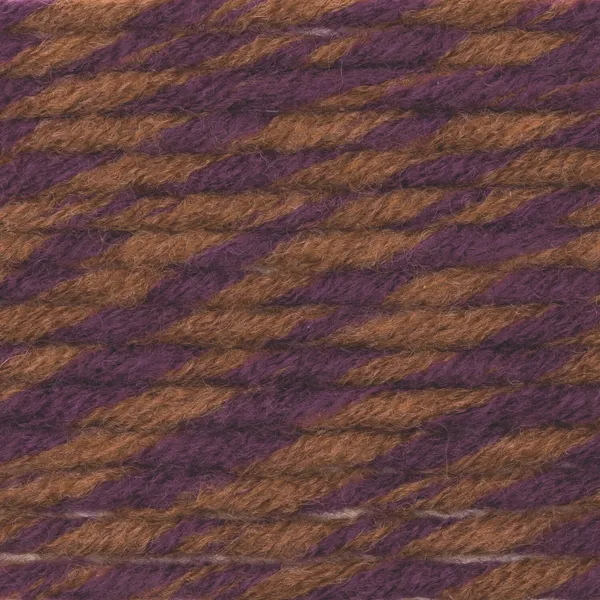
Rico Design
Essentials Big Duo
50% wool · 50% acrylic
- 11
- sts / 10 cm
- 94
- m/100g
- 7–8
- mm
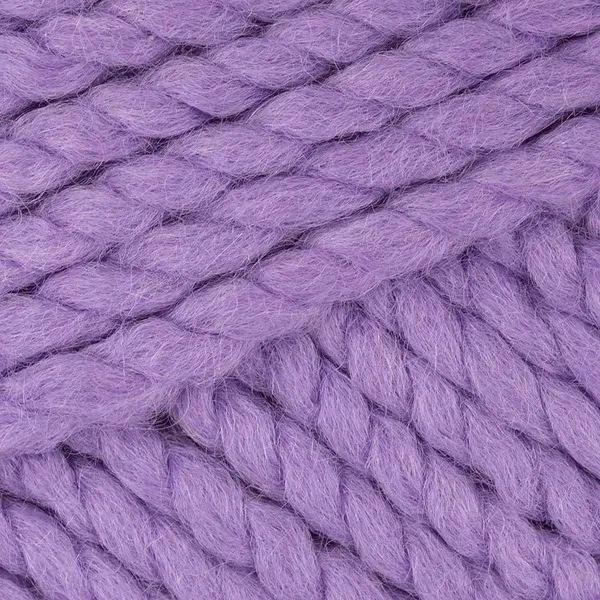
Plymouth Yarn
Encore Mega
75% acrylic · 25% wool
- 8
- sts / 10 cm
- 58
- m/100g
- 10
- mm
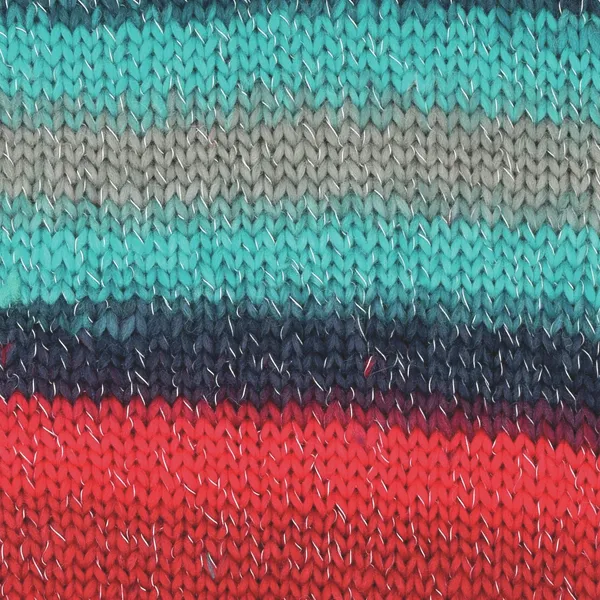
Rico Design
Creative Glühwürmchen
54% acrylic · 30% wool
- 11
- sts / 10 cm
- 110
- m/100g
- 7–8
- mm

Rico Design
Fashion Luxury Bouclé
47% mohair · 28% wool · 19% nylon · 6% polyester
- 9
- sts / 10 cm
- 120
- m/100g
- 9–10
- mm
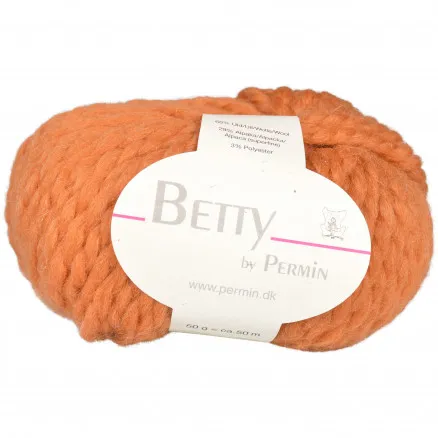
Permin
Betty Garn 889404 Kobber
68% wool · 29% alpaca · 3% polyester
- 9
- sts / 10 cm
- 100
- m/100g
- 10
- mm
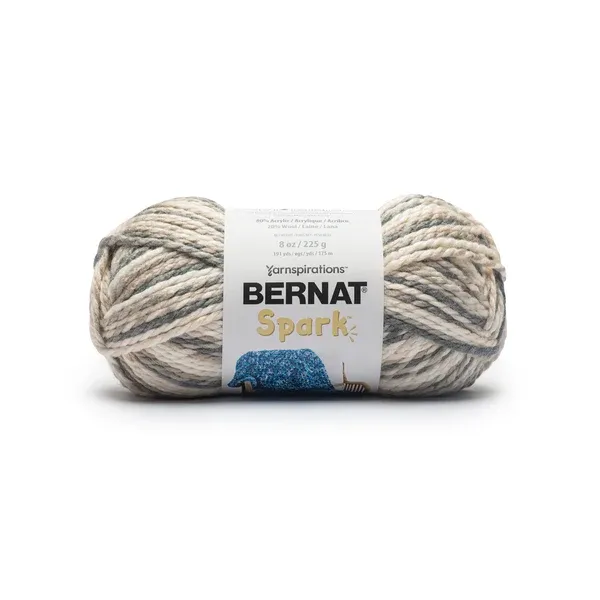
Bernat
Spark Yarn (225g/7.9oz)
80% acrylic · 20% wool
- 12
- sts / 10 cm
- 78
- m/100g
- 8
- mm
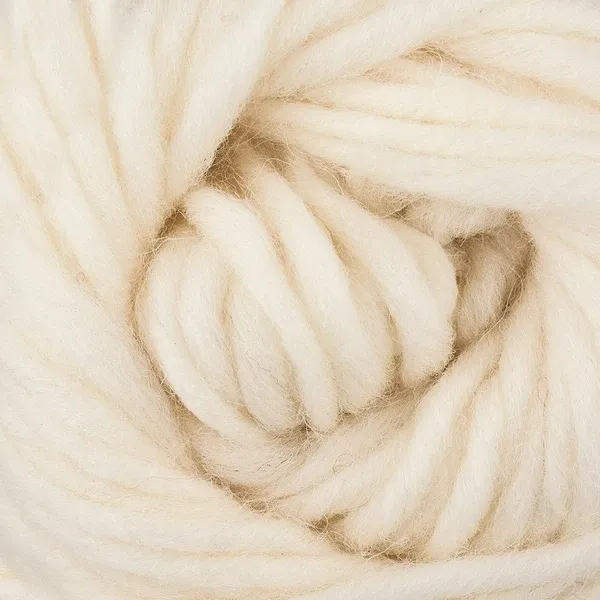
Viking of Norway
Viking Snorre Naturgarn.
100% wool
- 12
- sts / 10 cm
- 100
- m/100g
- 7
- mm
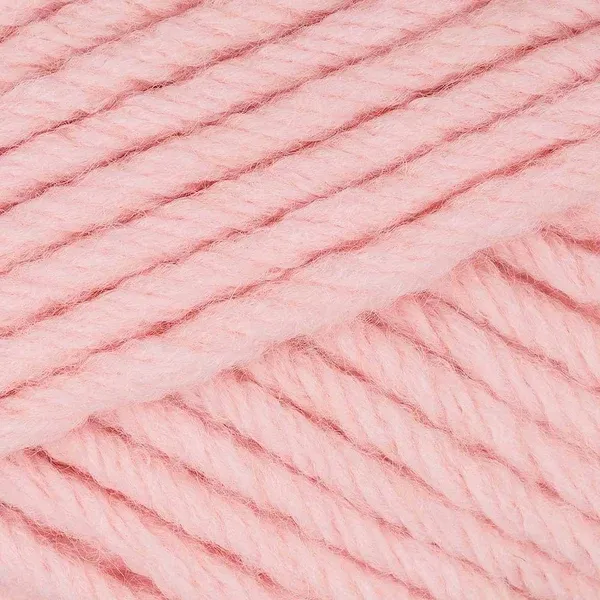
Paintbox Yarns
Wool Mix Super Chunky
50% wool · 50% acrylic
- 9
- sts / 10 cm
- 55
- m/100g
- 10
- mm
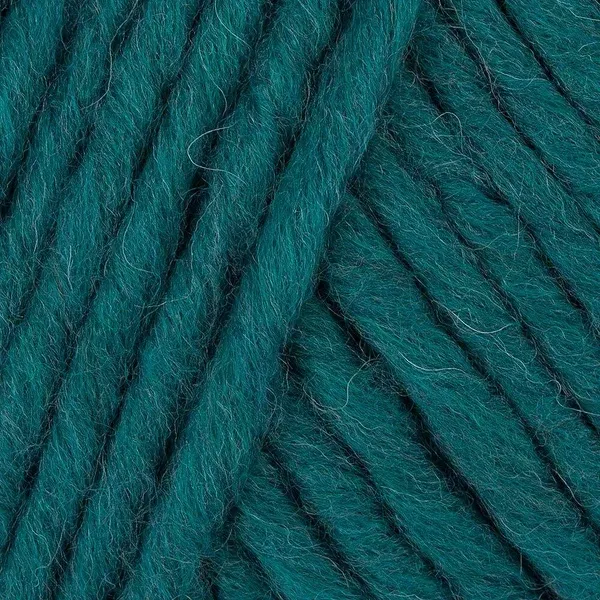
Rico Design
Essentials Super Super Chunky
50% wool · 50% acrylic
- 9
- sts / 10 cm
- 100
- m/100g
- 10
- mm

Rico Design
Fashion Alpaca BLING BLING
40% cotton · 24% alpaca · 18% acrylic · 8% wool · 5% nylon
- 12
- sts / 10 cm
- 180
- m/100g
- 8
- mm

Rico Design
Fashion Elements
59% wool · 40% acrylic · 1% polyester
- 10
- sts / 10 cm
- 120
- m/100g
- 9–10
- mm
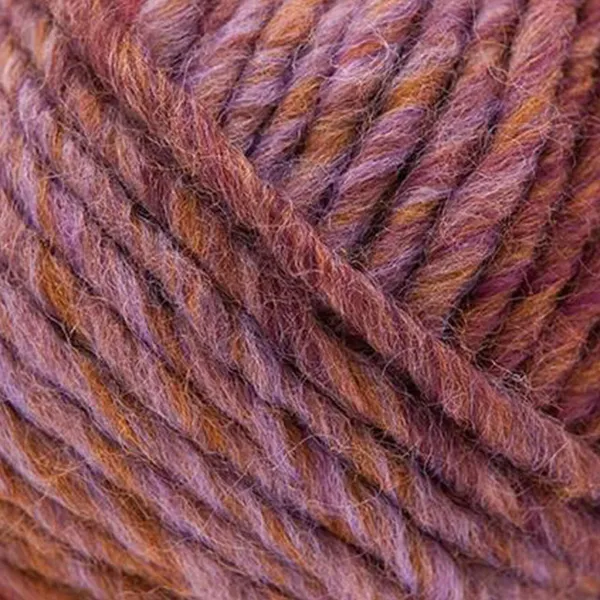
Rico Design
Creative Melange super chunky
53% wool · 47% acrylic
- 9
- sts / 10 cm
- 100
- m/100g
- 10
- mm

Rico Design
Fashion Elegance
51% wool · 44% acrylic · 5% polyester
- 7
- sts / 10 cm
- 100
- m/100g
- 10–12
- mm
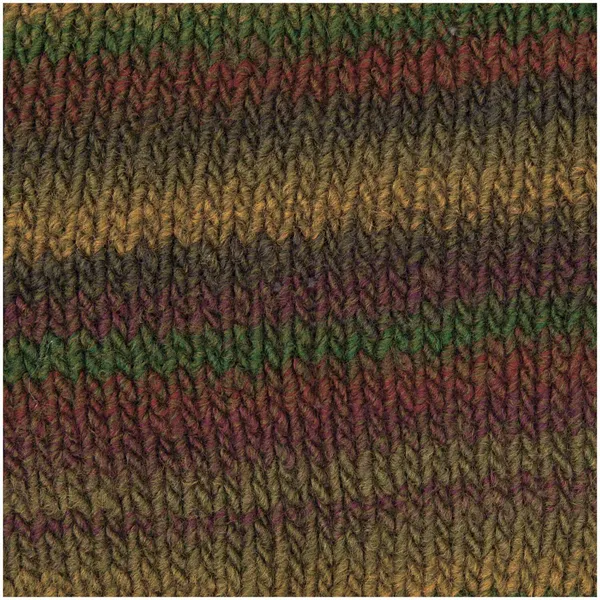
Wolle Rödel
Super Big Color
53% wool · 47% acrylic
- 7
- sts / 10 cm
- 100
- m/100g
- 10–12
- mm
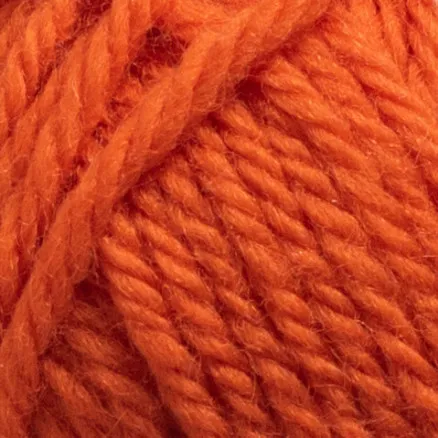
Järbo
Jette
100% wool
- 12
- sts / 10 cm
- 100
- m/100g
- 7
- mm
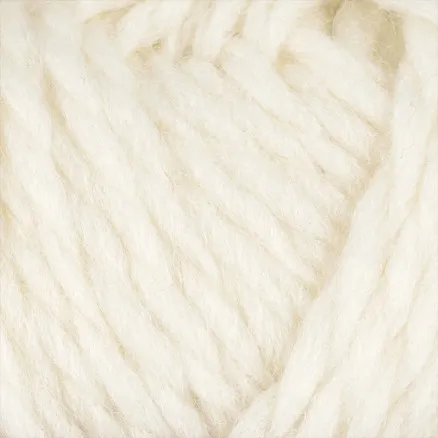
Viking of Norway
Viking Snorre Balder
100% wool
- 12
- sts / 10 cm
- 100
- m/100g
- 7
- mm
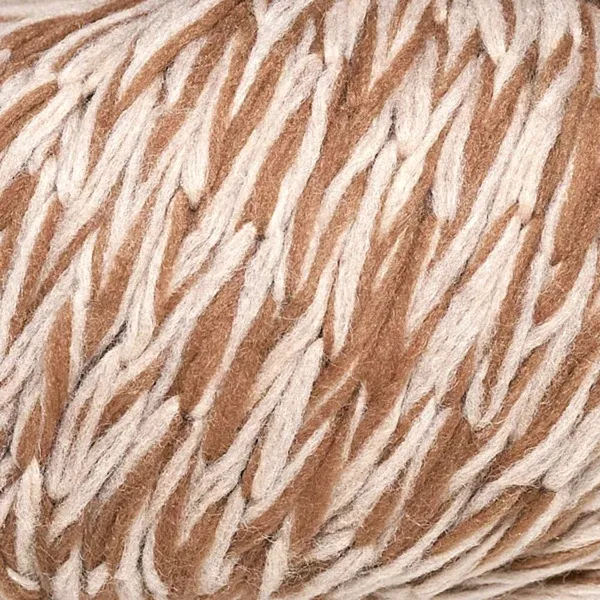
Berroco
Bestie
35% wool · 35% nylon · 30% viscose
- 11
- sts / 10 cm
- 98
- m/100g
- 9
- mm
Questions about wool yarn
Care, gauge and substitution tips for wool, combined with live data from our catalogue.
Is Merino the same as wool?+
Merino is a type of sheep's wool, named for the sheep that produce it. Wool is the broader category and includes many breeds. A yarn labelled only wool does not necessarily contain Merino.
What is the difference between woollen-spun and worsted-spun yarn?+
Woollen-spun yarn is generally loftier and less smooth, while worsted preparation aligns the fibres for a smoother yarn. These terms describe processing, not the yarn-weight category. Either type can be made in different thicknesses.
Can all wool yarn go in the washing machine?+
No. Some wool has a shrink-resistant treatment and a machine-wash care instruction; other yarns require hand washing. Follow the specific yarn label, including its drying instructions. A washing machine's wool programme alone does not establish that a yarn is machine washable.
Can I replace wool with cotton in a pattern?+
Sometimes, but expect a different fabric. Cotton usually offers less spring and recovery. Swatch the actual stitch pattern, wash it and check drape, dimensions and ribbing before committing to a garment, especially one designed to stretch around the body.