
Viscose yarn
Regenerated cellulose for fluid fabrics, soft sheen and versatile blends
- Regenerated cellulose
- Wood pulp origins
- Fluid drape
- Rayon family
- Pure and blended yarns
Viscose is a manufactured cellulose fibre used in knitting and crochet yarns for its absorbency, drape and ability to take colour. It can appear as a smooth, lustrous strand or as one component in a textured blend, so a viscose percentage does not describe the whole yarn. In a garment, its flowing character can be useful for a relaxed top or shawl, while a design that depends on springy ribbing needs closer testing.
Read more about viscose →Show less
From plant cellulose to viscose fibre
Viscose is made by dissolving and regenerating cellulose, usually obtained from wood pulp. The process changes the raw material into fibres that can be spun into yarn. It belongs to the rayon family: viscose describes a particular production route, while rayon is a broader term often encountered on North American labels. A plant-derived starting material does not make viscose the same kind of fibre as cotton or linen, which retain the plant's original fibres.
The material has a long industrial history. The Science Museum Group holds bottles used for the first preparation of viscose in 1892, linking today's yarn ingredient to nineteenth-century experiments with cellulose. Bamboo can also supply cellulose for viscose production; in that case, the resulting fibre is bamboo-derived viscose rather than mechanically extracted bamboo fibre.
Choosing viscose for the fabric you want
Viscose can bring a smooth surface and fluidity to a blend, but the result depends on the other fibres, the twist and the stitch pattern. A small amount in a wool yarn has a different role from a predominantly viscose summer yarn. Ordinary viscose also loses strength when wet, making gentle handling and support during washing useful considerations.
When substituting, compare the complete blend and the washed fabric. Check whether a sample lengthens, how it hangs and whether ribbing recovers sufficiently for the pattern. Follow the individual yarn's care instructions, and measure the sample only after it has dried. For a larger garment, the weight of the finished fabric deserves attention alongside stitch and row gauge.
- Yarns
- 80
- 1 pure (≥90 %)
- Gauge
- 9–30
- sts / 10 cm
- Needles
- 1.5–9 mm
- Typical length
- 270 m
- per 100 g
Often blended with
Brands with viscose yarns
All viscose yarns
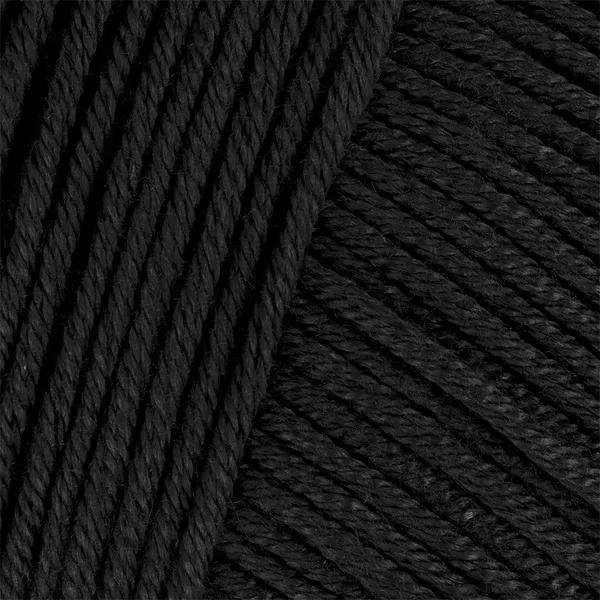
Trendsetter Yarns
Trendsetter Yarn Sweetie
100% viscose
- 20
- sts / 10 cm
- 250
- m/100g
- 4
- mm
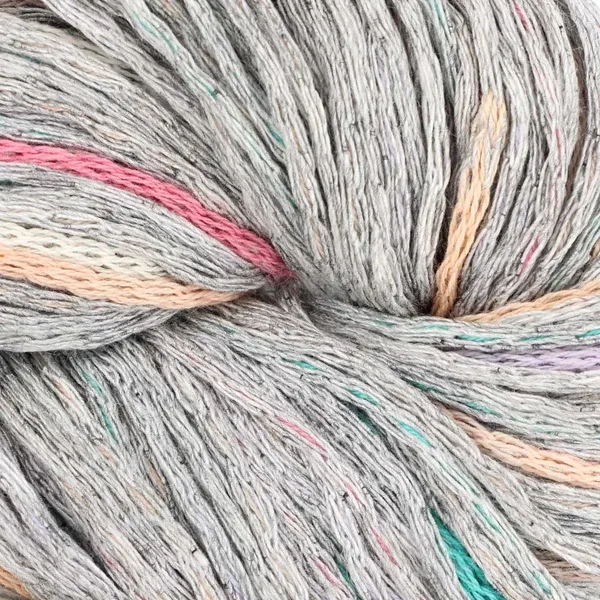
Berroco
Splash
70% viscose · 30% cotton
- 23
- sts / 10 cm
- 240
- m/100g
- 4
- mm
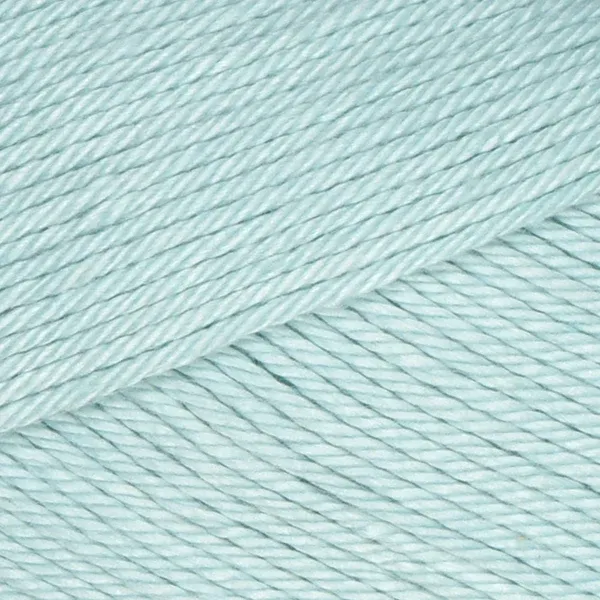
Cascade Yarns
Pandamonium
55% cotton · 45% viscose
- 22
- sts / 10 cm
- 250
- m/100g
- 4
- mm
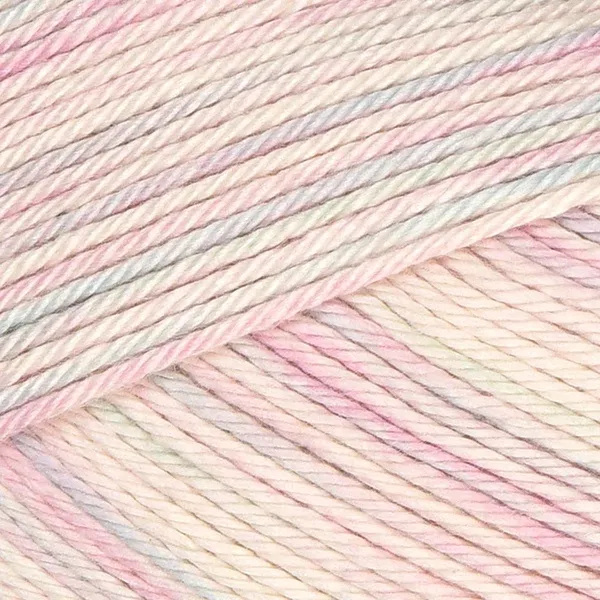
Cascade Yarns
Pandamonium Multis
55% cotton · 45% viscose
- 22
- sts / 10 cm
- 250
- m/100g
- 4
- mm
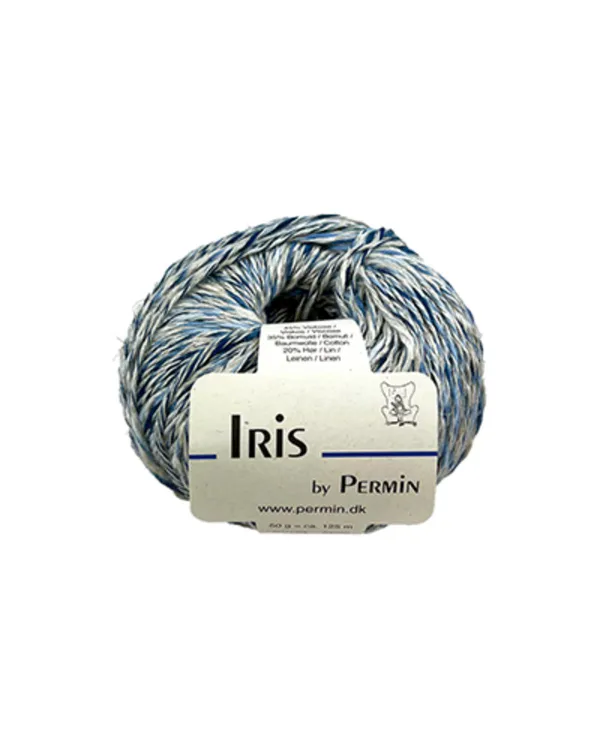
Permin
Iris By Permin
45% viscose · 35% cotton · 20% linen
- 20
- sts / 10 cm
- 250
- m/100g
- 3.5–4
- mm
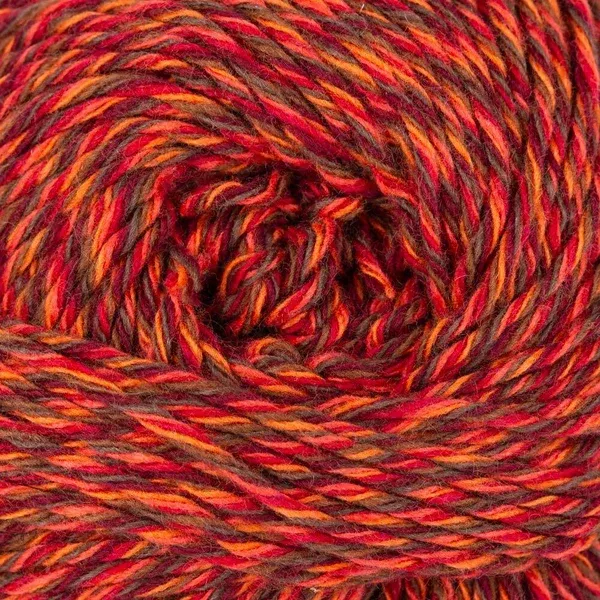
Valley Yarns
Savoy
35% viscose · 30% wool · 30% nylon · 5% cashmere
- 20
- sts / 10 cm
- 250
- m/100g
- 4.5
- mm
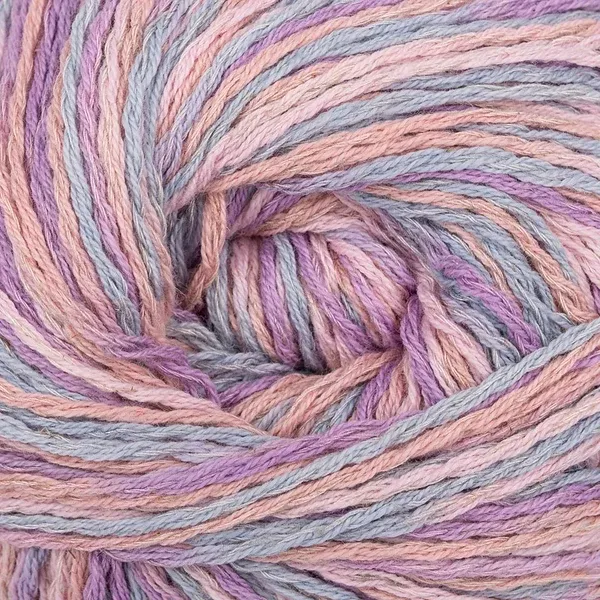
King Cole
Linendale Reflections DK
57% cotton · 30% viscose · 13% linen
- 22
- sts / 10 cm
- 240
- m/100g
- 4
- mm
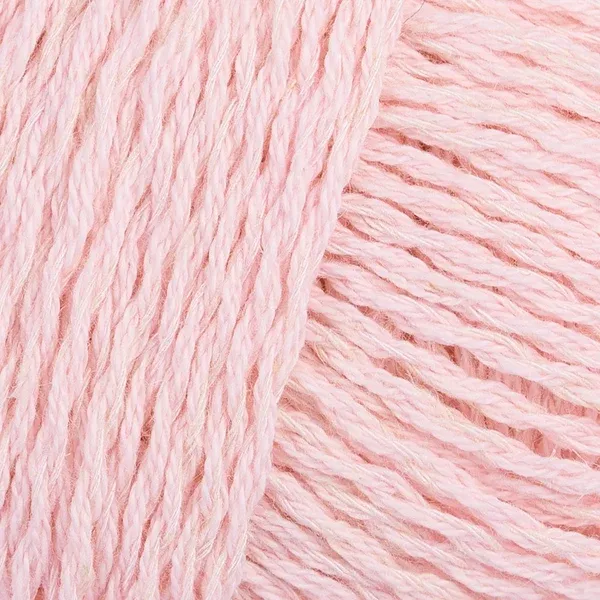
King Cole
Linendale DK
57% cotton · 30% viscose · 13% linen
- 22
- sts / 10 cm
- 240
- m/100g
- 4
- mm
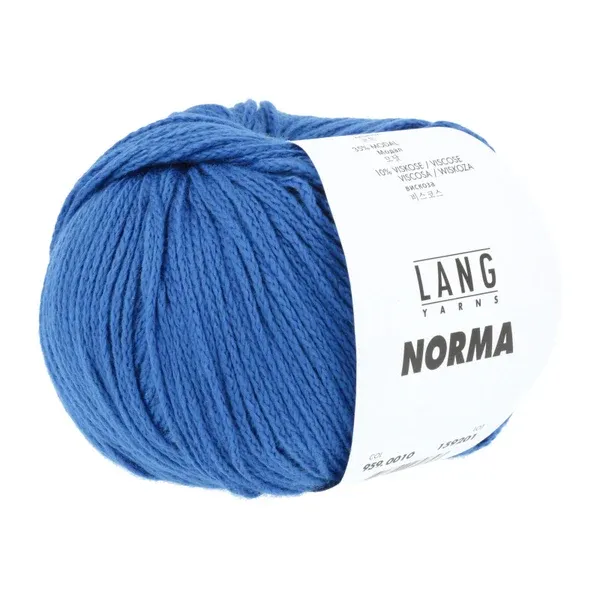
Lang Yarns
Norma
55% cotton · 45% viscose
- 22
- sts / 10 cm
- 270
- m/100g
- 4–4.5
- mm
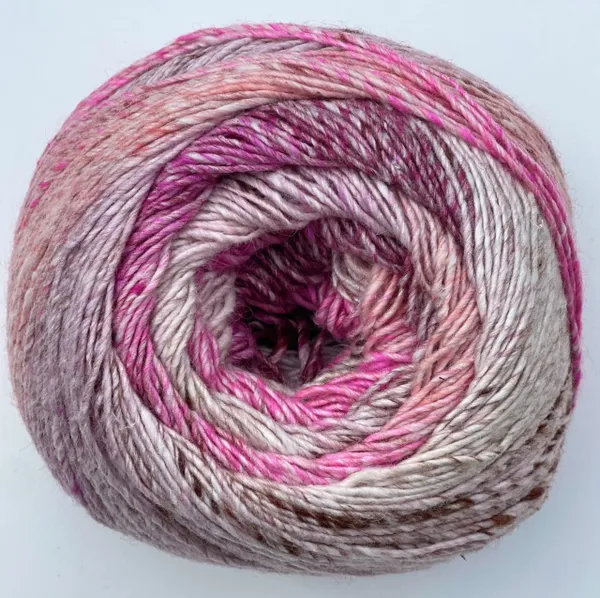
Noro
Akari
26% silk · 21% cotton · 15% viscose · 14% mohair · 12% wool · 12% nylon
- 18
- sts / 10 cm
- 243
- m/100g
- 4.5–5.5
- mm
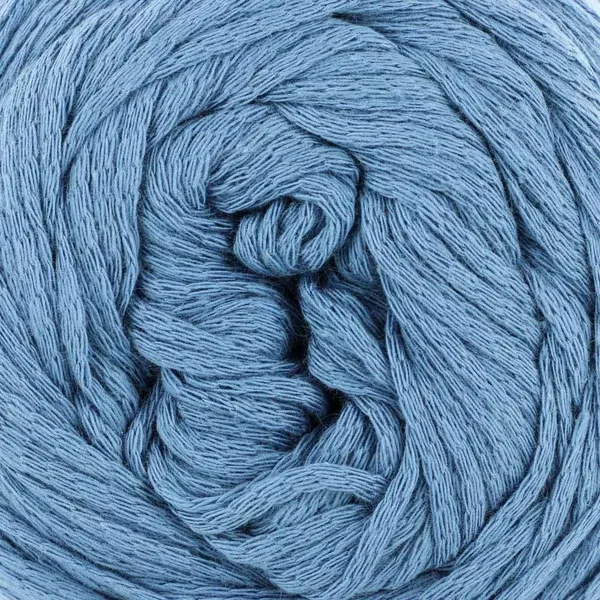
Berroco
Vera
80% cotton · 20% viscose
- 22
- sts / 10 cm
- 255
- m/100g
- 4
- mm

Wolle Rödel
Mille Fili Glitz
78% cotton · 19% viscose · 3% polyester
- 22
- sts / 10 cm
- 240
- m/100g
- 3–4
- mm
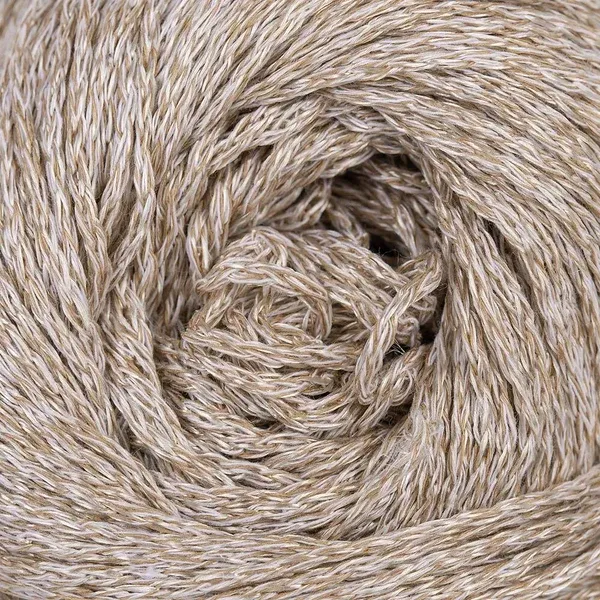
Schachenmayr
Dinora
45% polyester · 36% viscose · 19% cotton
- 18
- sts / 10 cm
- 230
- m/100g
- 4.5
- mm
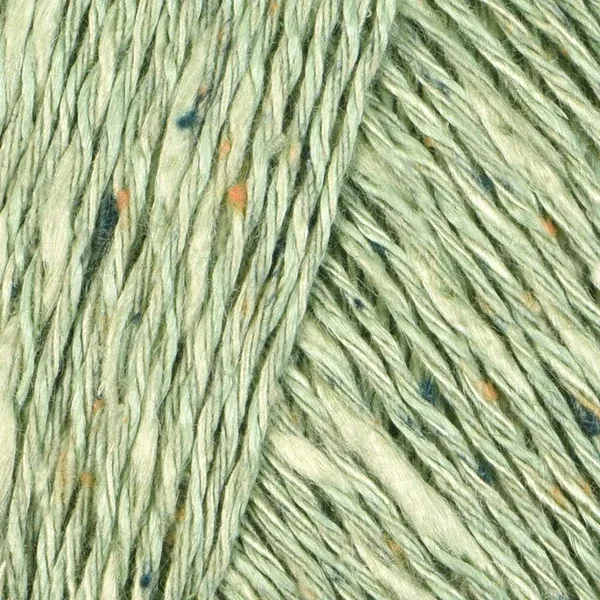
Juniper Moon Farm
Summer Solstice
48% linen · 24% cotton · 24% viscose · 4% polyester
- 23
- sts / 10 cm
- 270
- m/100g
- 3.25
- mm
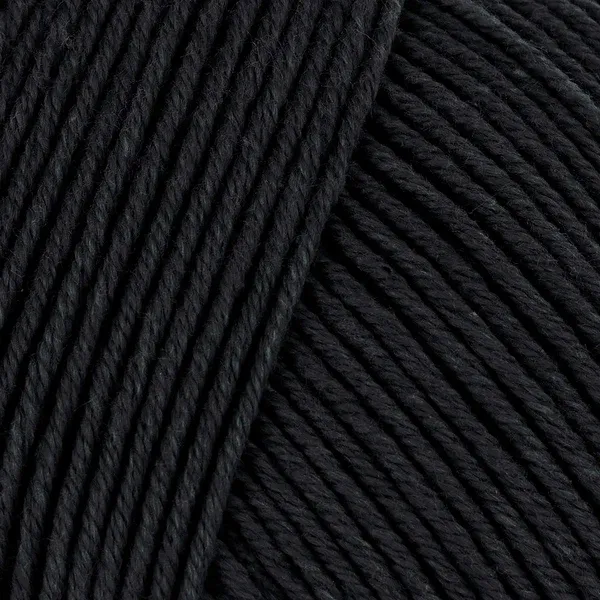
Lang Yarns
Oceania
70% cotton · 30% viscose
- 22
- sts / 10 cm
- 280
- m/100g
- 3.5
- mm
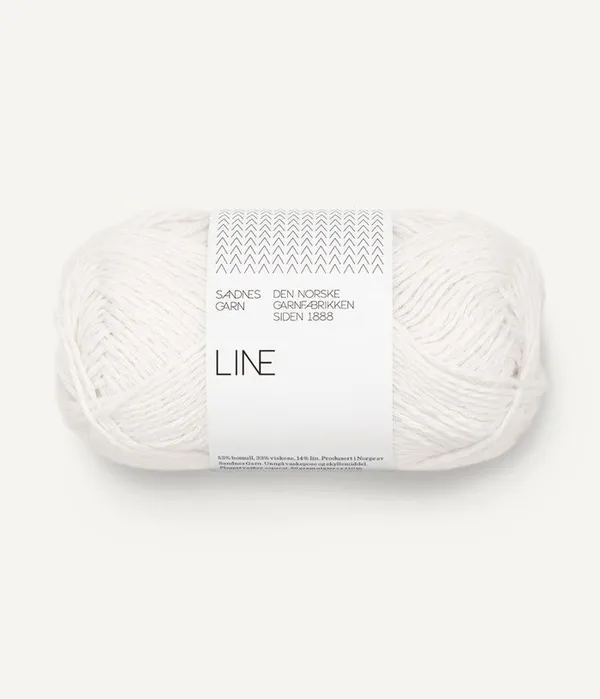
Sandnes Garn
Line
53% cotton · 33% viscose · 14% linen
- 20
- sts / 10 cm
- 220
- m/100g
- 4
- mm
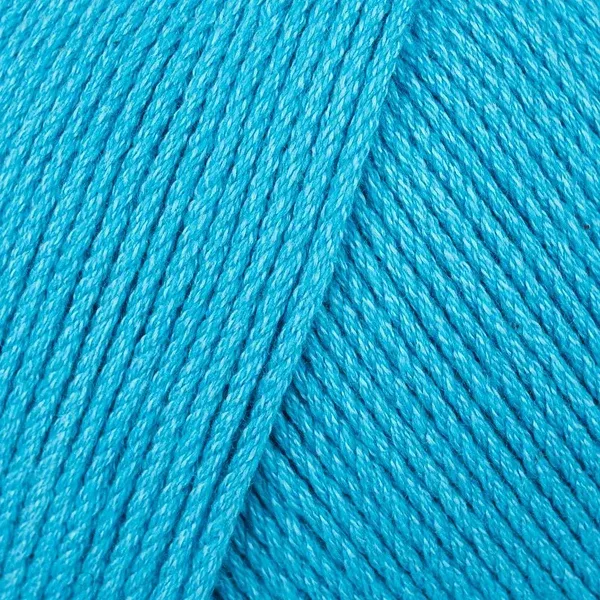
Debbie Bliss
Piper
50% cotton · 50% viscose
- 22
- sts / 10 cm
- 200
- m/100g
- 4
- mm
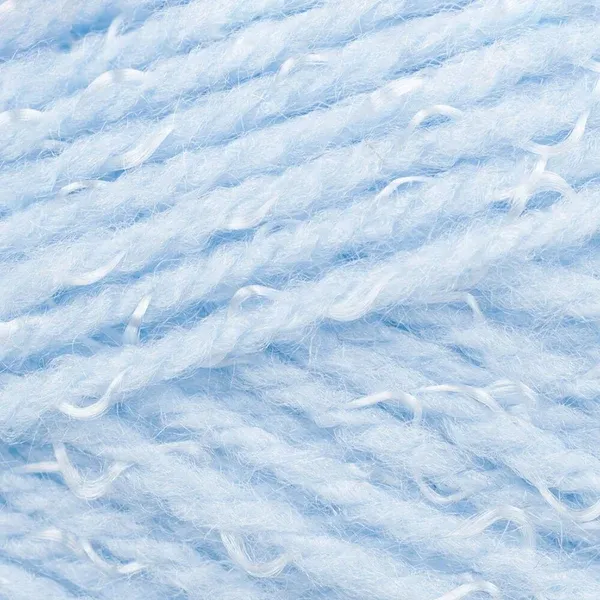
James C. Brett
Baby Shimmer DK
90% acrylic · 10% viscose
- 22
- sts / 10 cm
- 280
- m/100g
- 4
- mm
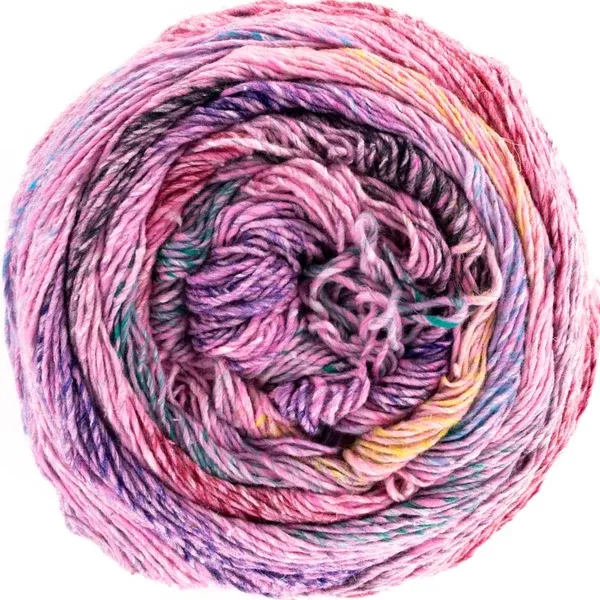
Noro
Ohajiki
50% cotton · 20% silk · 15% wool · 15% viscose
- 24
- sts / 10 cm
- 280
- m/100g
- 4
- mm
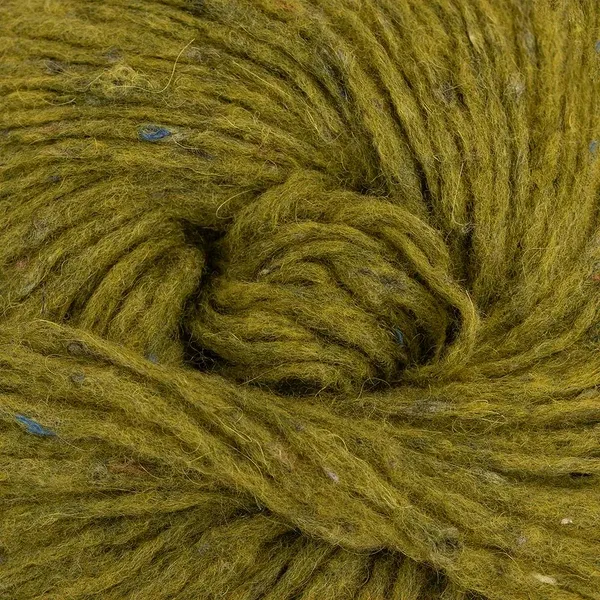
Rowan
Felted Tweed Soft
64% wool · 20% nylon · 8% alpaca · 8% viscose
- 16
- sts / 10 cm
- 280
- m/100g
- 5.5
- mm
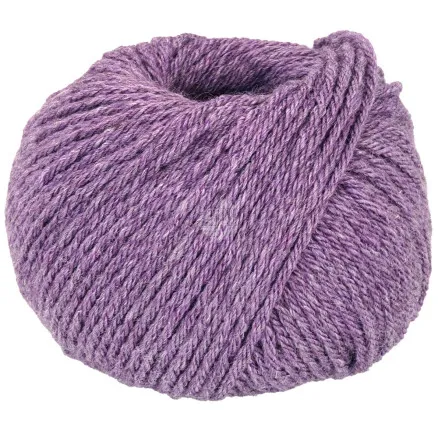
Lana Grossa
New Classic
48% merino · 36% viscose · 8% yak · 8% nylon
- 18
- sts / 10 cm
- 200
- m/100g
- 6–7
- mm
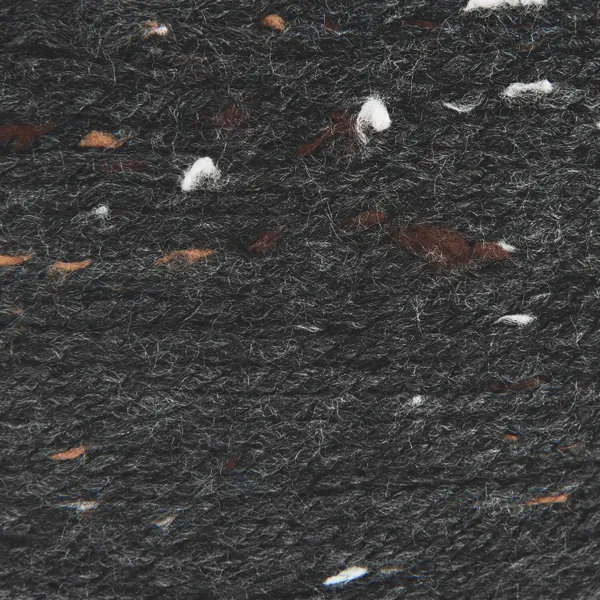
Rico Design
Basic Super Big Tweed aran
74% acrylic · 20% wool · 6% viscose
- 18
- sts / 10 cm
- 220
- m/100g
- 5
- mm
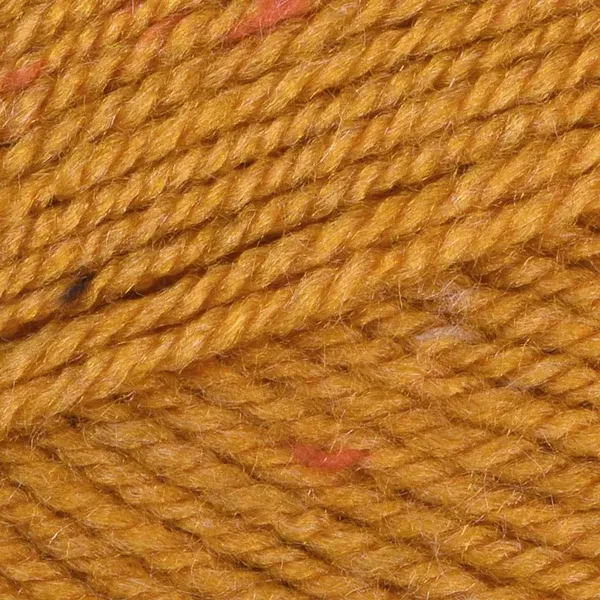
King Cole
Big Value Tweed DK
98% acrylic · 2% viscose
- 22
- sts / 10 cm
- 290
- m/100g
- 4
- mm
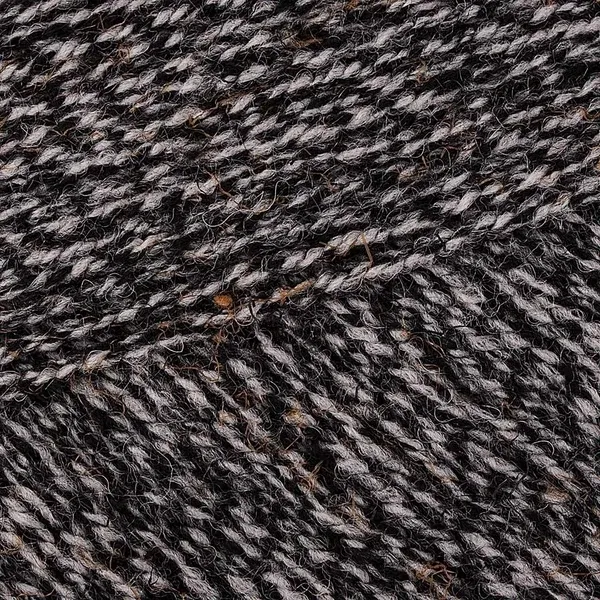
Hayfield
Bonus Aran Tweed with Wool
74% acrylic · 20% wool · 6% viscose
- 18
- sts / 10 cm
- 210
- m/100g
- 5
- mm
Questions about viscose yarn
Care, gauge and substitution tips for viscose, combined with live data from our catalogue.
Is viscose the same as rayon?+
Viscose is a type of rayon, made using the viscose process. Rayon is a broader term, and naming conventions vary between markets. A rayon label alone is not enough to establish the precise production route or the finished yarn's behaviour.
Is viscose a natural fibre?+
It is a manufactured, regenerated cellulose fibre, usually made from wood pulp. Its raw material is plant-derived, but it is dissolved and formed into new fibres. Cotton and linen are natural fibres extracted without that regeneration step.
Is bamboo yarn always viscose?+
Many yarns described as bamboo contain viscose made from bamboo cellulose, but the name alone does not establish the process. Read the full fibre description. Mechanically extracted bamboo fibre and bamboo-derived viscose are different materials.
Can I machine wash viscose yarn?+
Follow the specific yarn's instructions. Fibre content alone does not establish a suitable washing programme. Handle wet fabric gently and support its weight; ordinary viscose is weaker when wet. A washed sample helps reveal changes in size before you make a garment.