
Lyocell yarn
Regenerated cellulose with a smooth feel, absorbency and flowing drape
- Regenerated cellulose
- Solvent-spun fibre
- Smooth surface
- Moisture absorbency
- Pure and blended yarns
Lyocell is a manufactured cellulose fibre found in yarns for knitting and crochet, either on its own or blended with other materials. It can contribute a smooth feel, moisture absorbency and a flowing fabric, making it worth considering for tops, shawls and garments where drape matters. The finished yarn may be compact, textured or mixed with wool, so the fibre name alone cannot tell you how the project will behave.
Read more about lyocell →Show less
How lyocell differs from viscose
Both fibres begin with cellulose, usually sourced from wood pulp, but they follow different manufacturing routes. Lyocell production dissolves cellulose directly in a solvent before forming new fibres. The viscose process includes an additional chemical conversion. Lyocell generally retains more of its strength when wet than ordinary viscose, although that does not establish a washing instruction for every yarn containing it.
Commercial lyocell production began in 1992. TENCEL is a well-known fibre brand associated with that development, but lyocell is the generic material name. The TENCEL brand also includes modal fibres, so the complete wording on a yarn label matters. TENCEL Lyocell and TENCEL Modal should not be read as identical ingredients.
Choosing and caring for lyocell yarn
Lyocell can help create a fabric that hangs fluidly rather than holding a bulky shape. That is useful when a design calls for movement, but it needs checking in fitted ribbing or a heavy garment. Wool or another fibre in a blend can change the balance of drape and recovery, and yarn construction has a further effect.
When comparing substitutes, wash a sample and assess both dimensions and the way it hangs. Check the row gauge and the stability of edges as well as the stitch count. Follow the care label for washing and drying; higher wet strength does not make rough handling suitable. If production credentials matter to your choice, look for information about the actual fibre supplier and yarn. A named manufacturer's solvent-recovery figures should not be assumed to apply to every lyocell product.
- Yarns
- 10
- 4 pure (≥90 %)
- Gauge
- 20–28
- sts / 10 cm
- Needles
- 2.5–5 mm
- Typical length
- 560 m
- per 100 g
Often blended with
Brands with lyocell yarns
All lyocell yarns
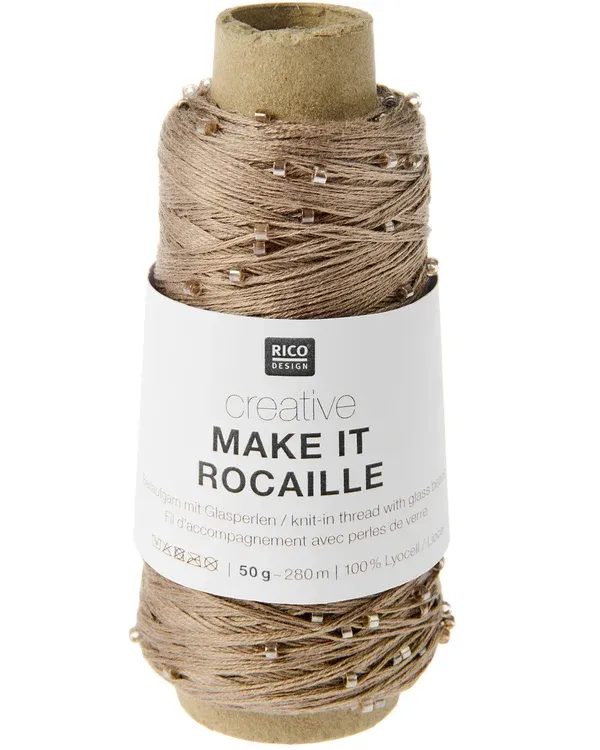
Questions about lyocell yarn
Care, gauge and substitution tips for lyocell, combined with live data from our catalogue.
Is lyocell the same as TENCEL?+
Lyocell is a generic fibre name. TENCEL is Lenzing's fibre brand, which includes lyocell and modal products. Look for the complete description, such as TENCEL Lyocell, to identify the material in a yarn.
What is the difference between lyocell and viscose?+
Both are regenerated cellulose fibres. Lyocell is made through direct solvent dissolution, while viscose uses a different chemical route. Lyocell generally retains more strength when wet, but spinning, blending and finishing also influence a yarn's performance.
Can lyocell replace wool in a knitting pattern?+
Sometimes, but expect a different balance of drape, loft and recovery. A fluid lyocell yarn may not hold ribbing or a raised stitch pattern like the original wool. Wash a sample in the actual stitch pattern and assess fit before making a garment.
Is every lyocell yarn made using the same environmental process?+
The generic name does not guarantee identical sourcing or factory performance. For example, Lenzing publishes solvent-recovery information for its own lyocell production. Check evidence for the specific supplier or product instead of applying one manufacturer's figures to all yarns.