
Cotton yarn
Plant fibre with a clear stitch surface and a place in everyday projects
- Plant fibre
- Cellulose
- Summer garments
- Mercerised options
- Cotton blends
Cotton yarn is a plant-based choice for knitting and crochet, used in summer tops, household textiles and projects where a clear stitch surface matters. Its familiar name can hide substantial differences: a soft, loosely spun cotton and a firm, mercerised crochet yarn can behave quite differently. Fibre length, twist, treatment and any other fibres in the blend all affect the finished piece.
Read more about cotton →Show less
From cotton boll to spun yarn
Cotton grows around the seeds inside the plant's bolls. After harvesting, ginning separates the lint from the seeds. Further cleaning and preparation make the fibres suitable for spinning. Cotton is mainly cellulose, placing it in the same broad chemical family as linen, although the fibres come from different parts of their plants and have different structures.
Mercerisation is an optional treatment that changes cotton's physical structure. It can improve dye uptake, strength and lustre, particularly when carried out under tension. Mercerised cotton remains cotton; it has not become silk or acquired a different fibre content. The treatment helps explain why some cotton yarns have a brighter sheen and a smoother appearance than others.
Working with cotton and choosing a substitute
Cotton does not have wool's natural crimp and spring. A cotton fabric can feel substantial and hang differently, and ribbing may provide less recovery than it would in a wool yarn. That can suit a draped top or a structured crochet project, but it matters when adapting a close-fitting sweater.
Compare metres per gram as well as the suggested needle or hook size. A similar thickness does not guarantee the same finished weight. Work a sample large enough to assess the stitch pattern, then wash and dry it as instructed before measuring. For garments, examine whether the fabric stretches under its own weight. For household projects, check the texture and absorbency you actually want. Cotton blends offer further possibilities, but their behaviour and care depend on the complete composition rather than the cotton percentage alone.
- Yarns
- 432
- 181 pure (≥90 %)
- Gauge
- 5–40
- sts / 10 cm
- Needles
- 0.6–12 mm
- Typical length
- 240 m
- per 100 g
Often blended with
Brands with cotton yarns
All cotton yarns
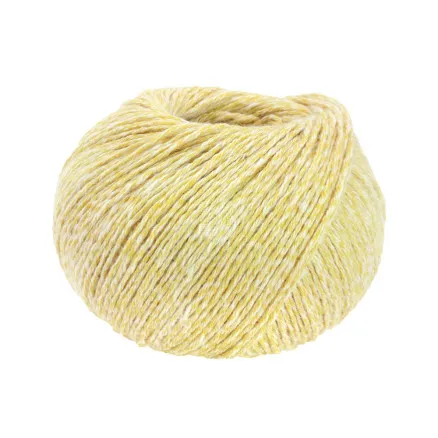
Lana Grossa
Cara
57% alpaca · 33% cotton · 10% merino
- 21
- sts / 10 cm
- 240
- m/100g
- 4
- mm
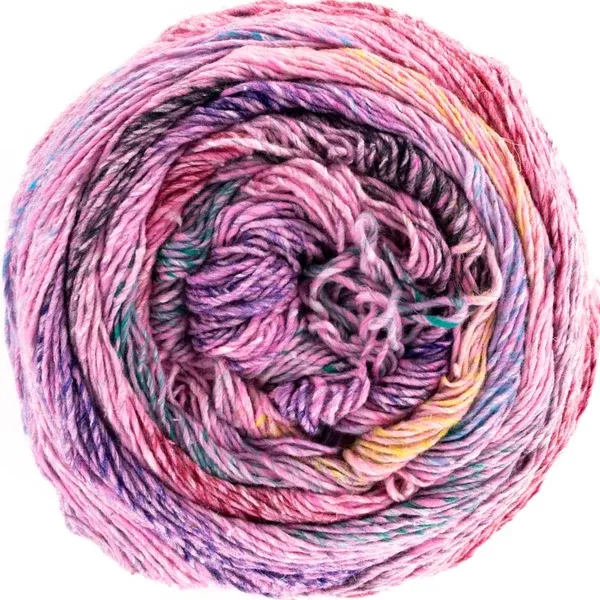
Noro
Ohajiki
50% cotton · 20% silk · 15% wool · 15% viscose
- 24
- sts / 10 cm
- 280
- m/100g
- 4
- mm
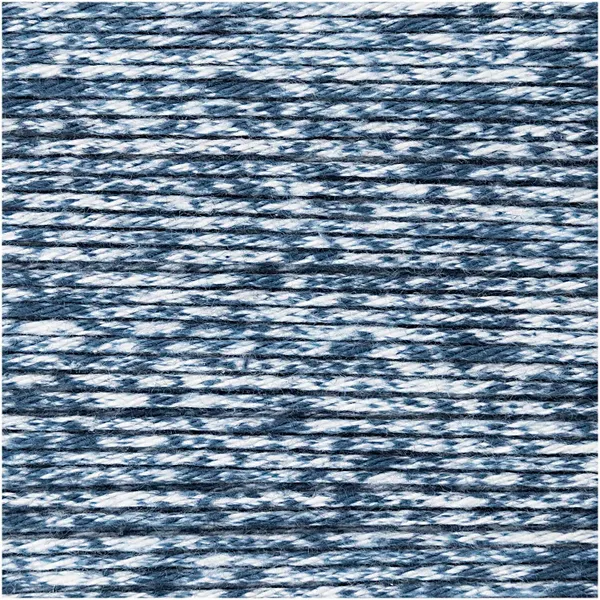
Rico Design
Creative Ricorumi Spray dk
100% cotton
- 22
- sts / 10 cm
- 230
- m/100g
- 3–4
- mm
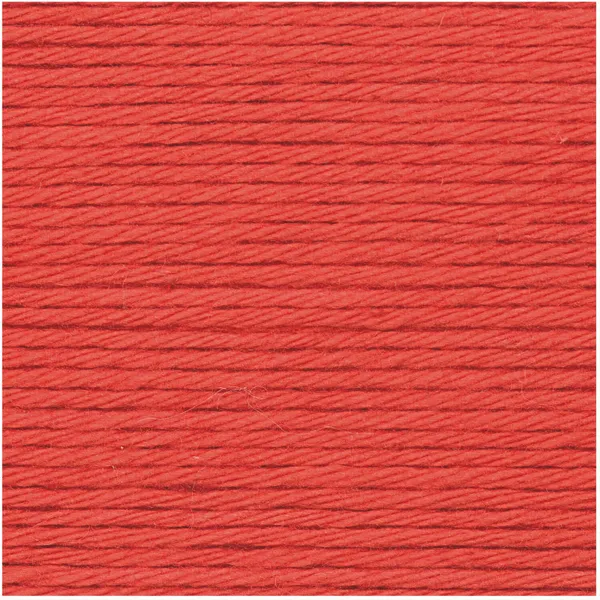
Rico Design
Wolle Cotton
100% cotton
- 22
- sts / 10 cm
- 230
- m/100g
- 3–4
- mm
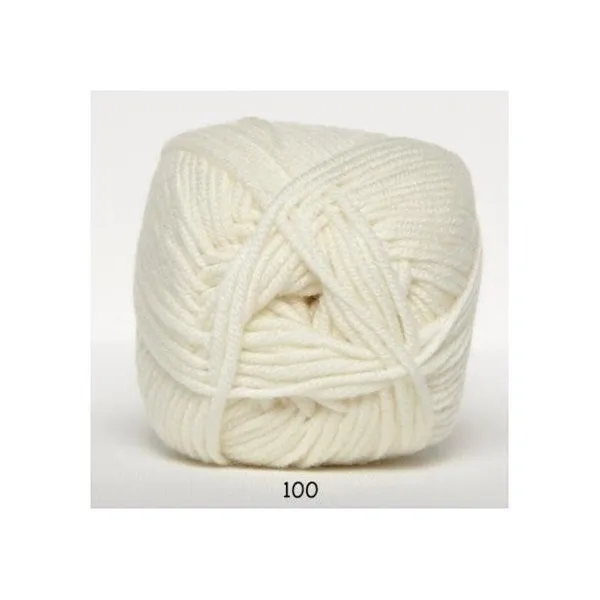
Hjertegarn
Merino Cotton
50% wool · 50% cotton
- 22
- sts / 10 cm
- 240
- m/100g
- 3.5–4
- mm
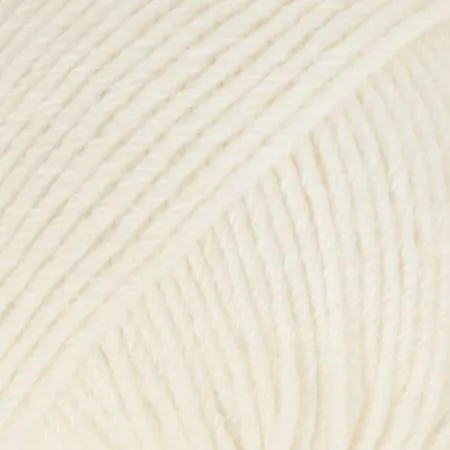
DROPS Design
Cotton Merino
50% wool · 50% cotton
- 21
- sts / 10 cm
- 220
- m/100g
- 4
- mm
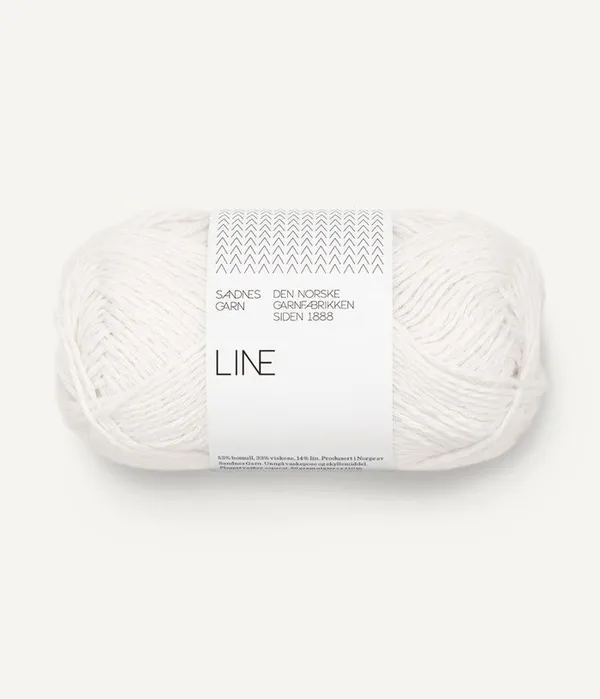
Sandnes Garn
Line
53% cotton · 33% viscose · 14% linen
- 20
- sts / 10 cm
- 220
- m/100g
- 4
- mm
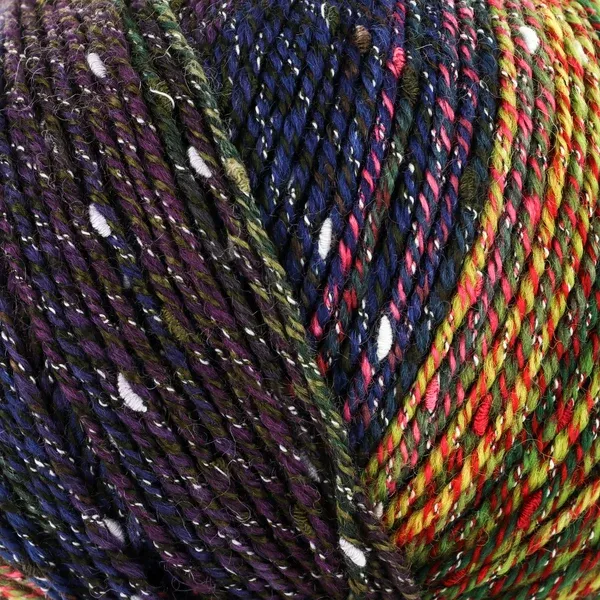
Berroco
Sesame
43% wool · 39% acrylic · 9% nylon · 9% cotton
- 19
- sts / 10 cm
- 210
- m/100g
- 4.5
- mm
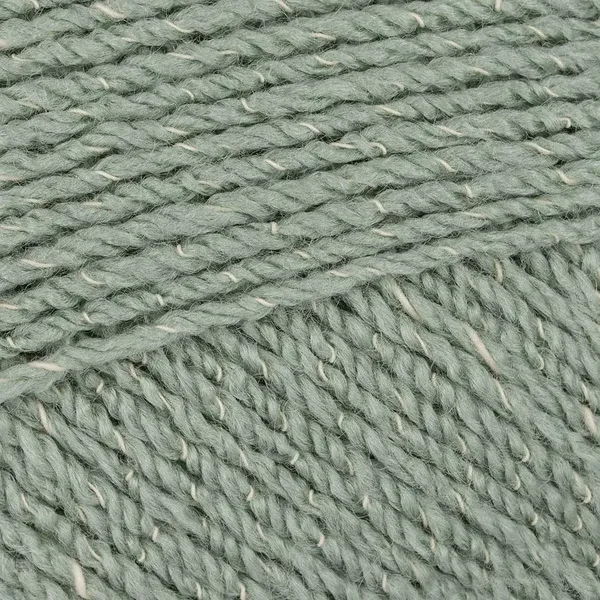
King Cole
Cotton Top DK
78% acrylic · 22% cotton
- 22
- sts / 10 cm
- 260
- m/100g
- 4
- mm
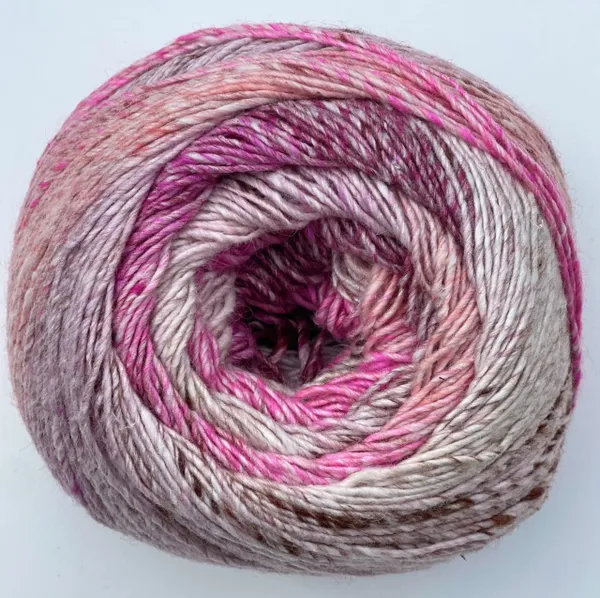
Noro
Akari
26% silk · 21% cotton · 15% viscose · 14% mohair · 12% wool · 12% nylon
- 18
- sts / 10 cm
- 243
- m/100g
- 4.5–5.5
- mm
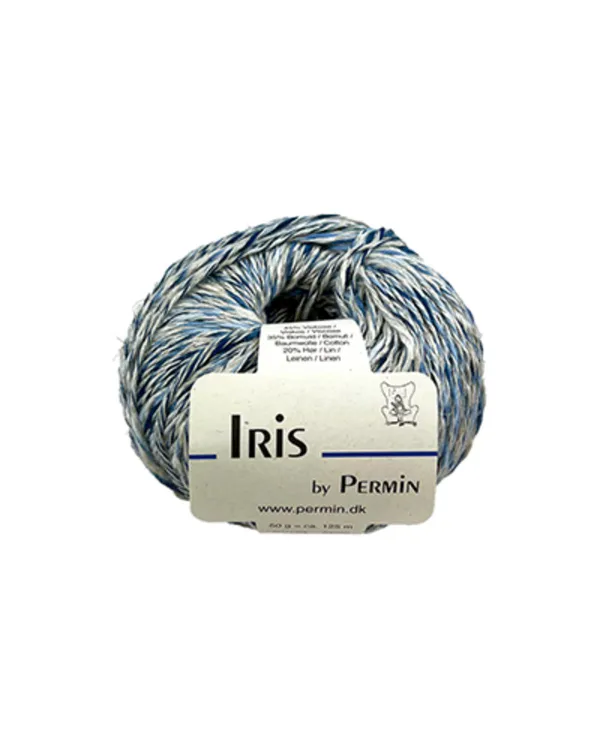
Permin
Iris By Permin
45% viscose · 35% cotton · 20% linen
- 20
- sts / 10 cm
- 250
- m/100g
- 3.5–4
- mm
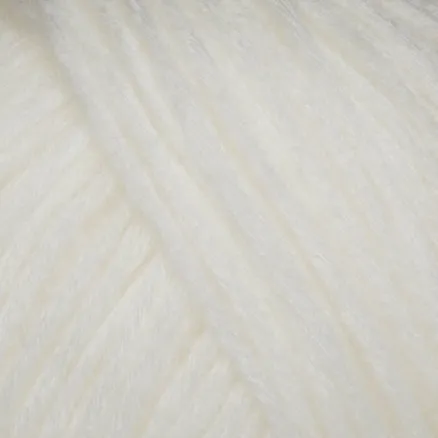
Infinity Hearts
Daisy
55% acrylic · 35% cotton · 10% polyester
- 21
- sts / 10 cm
- 230
- m/100g
- 4
- mm
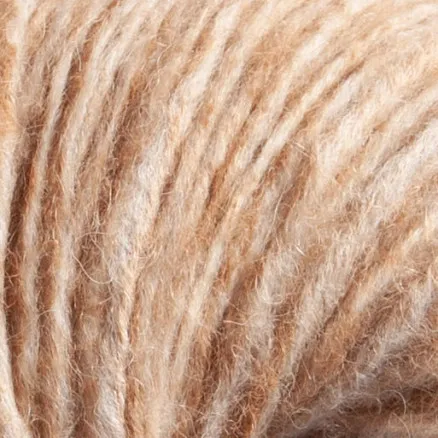
Järbo
Select No.5 Botanically Dyed Alpaca Blend
42% alpaca · 30% cotton · 28% wool
- 16
- sts / 10 cm
- 200
- m/100g
- 4.5
- mm
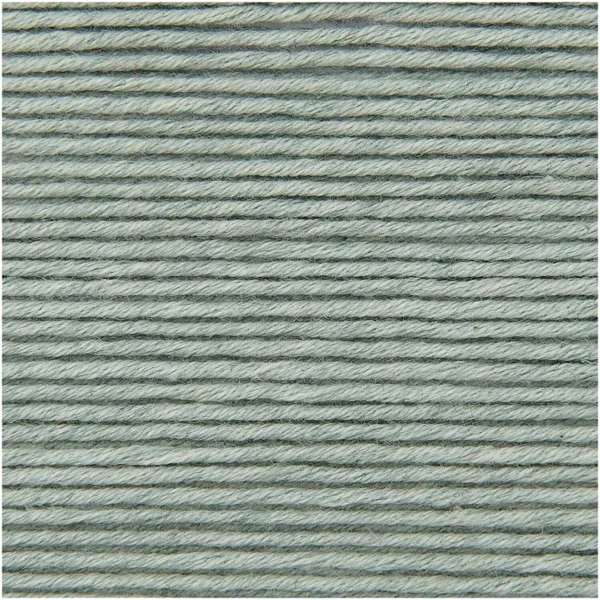
Rico Design
Luxury Cotton Silk Cashmere dk
75% cotton · 15% silk · 10% cashmere
- 23
- sts / 10 cm
- 220
- m/100g
- 3.5–4
- mm
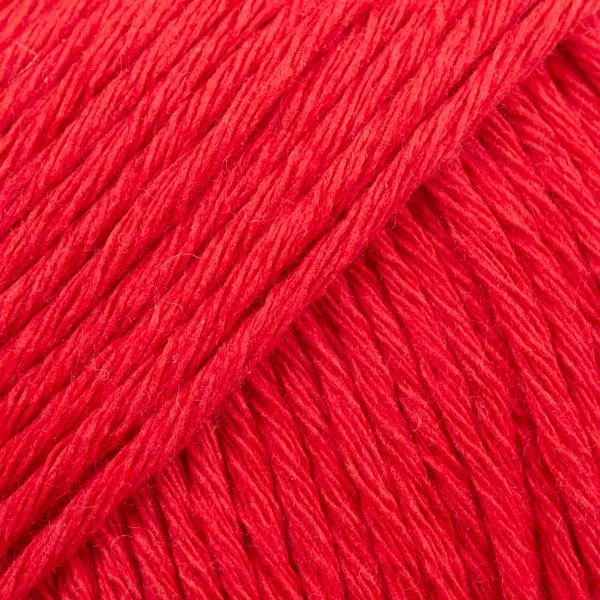
DROPS Design
Cotton Light
50% cotton · 50% polyester
- 21
- sts / 10 cm
- 210
- m/100g
- 4
- mm
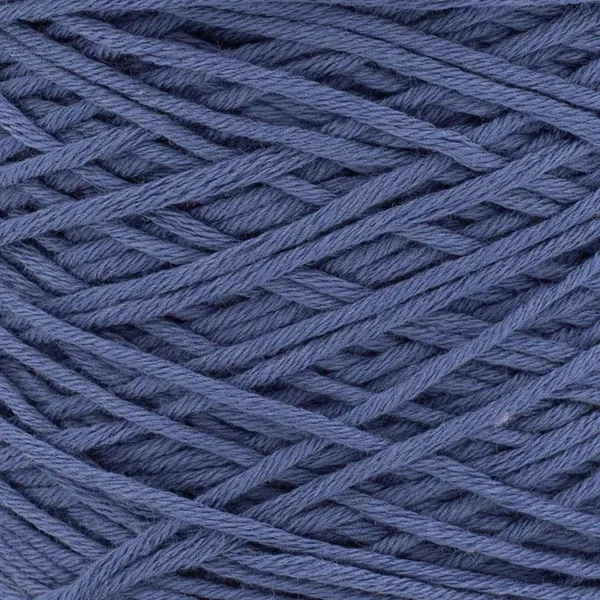
Lion Brand
Coboo
50% bamboo · 50% cotton
- 23
- sts / 10 cm
- 214
- m/100g
- 4
- mm
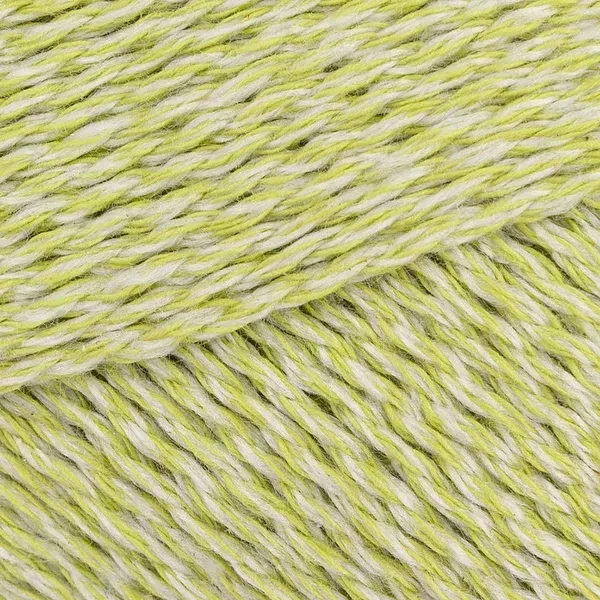
Stylecraft
Cotton Twist
50% cotton · 50% acrylic
- 22
- sts / 10 cm
- 210
- m/100g
- 4
- mm

Rico Design
Creative Lazy Hazy Summer Cotton dk
49% cotton · 46% acrylic · 5% polyester
- 21
- sts / 10 cm
- 290
- m/100g
- 4
- mm
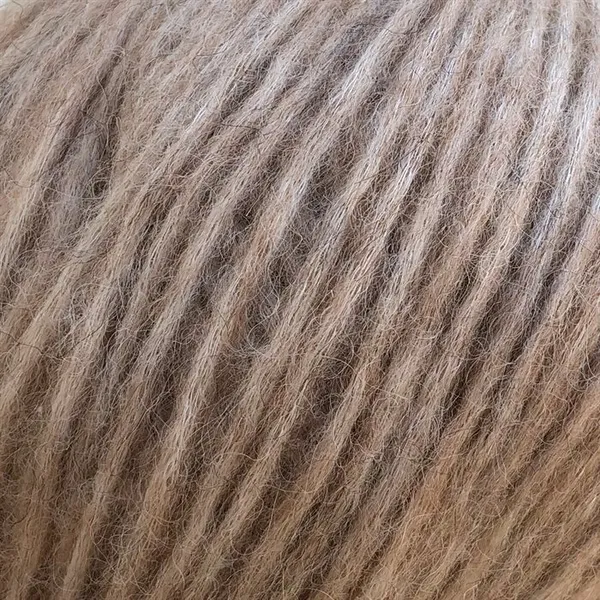
CaMaRose
Snefnug Natur
55% alpaca · 35% cotton · 10% merino
- 14
- sts / 10 cm
- 220
- m/100g
- 4–6
- mm
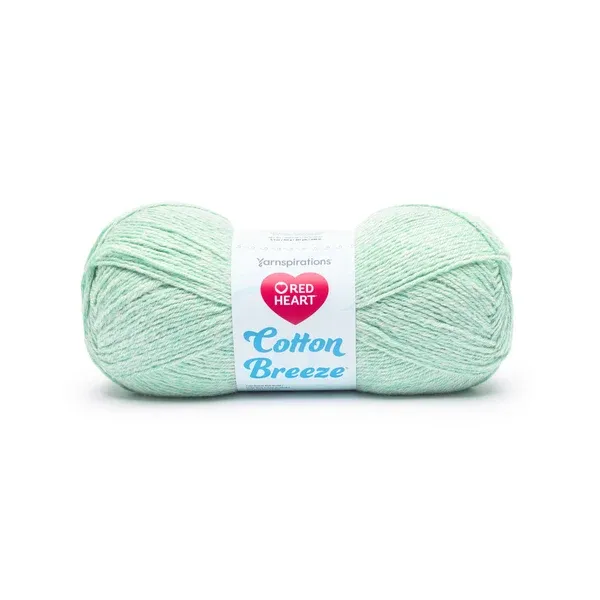
Red Heart
Cotton Breeze Yarn (155g/5.5oz)
60% acrylic · 40% cotton
- 22
- sts / 10 cm
- 284
- m/100g
- 4
- mm
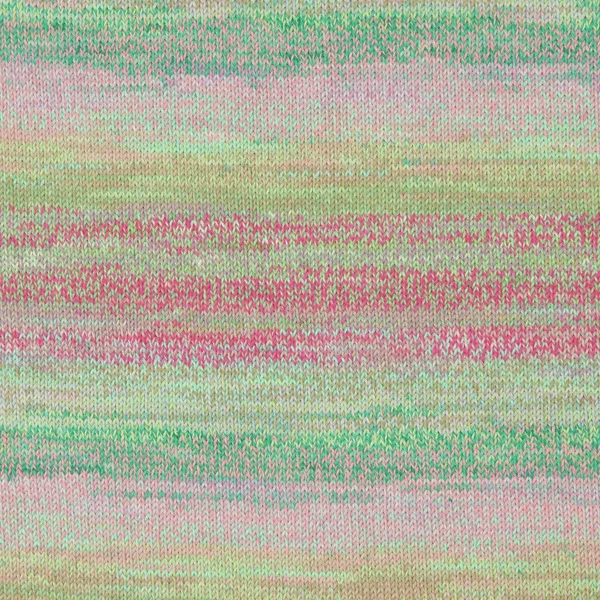
Rico Design
Creative Chic-Unique Cotton dk
50% cotton · 50% acrylic
- 22
- sts / 10 cm
- 240
- m/100g
- 3–4
- mm
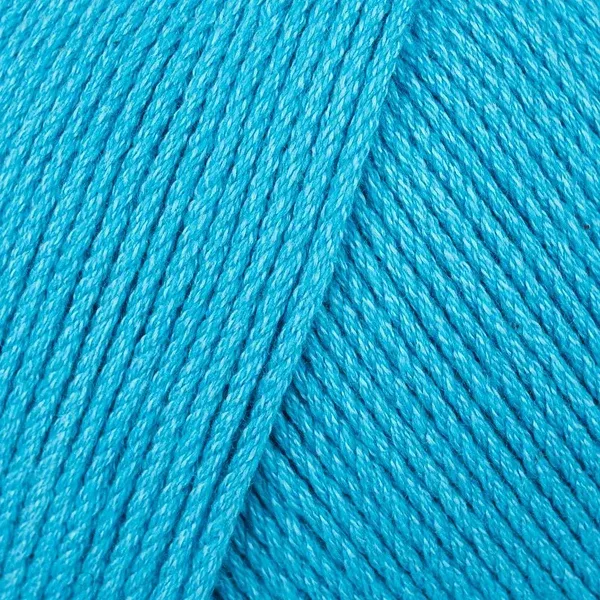
Debbie Bliss
Piper
50% cotton · 50% viscose
- 22
- sts / 10 cm
- 200
- m/100g
- 4
- mm
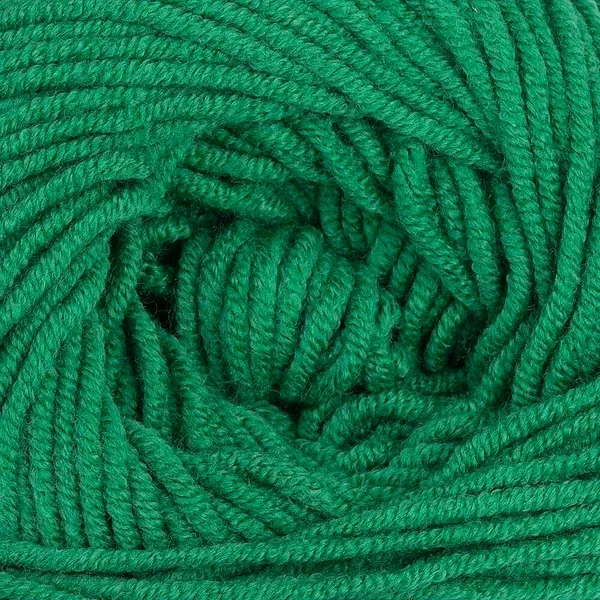
Yarn and Colors
Baby Fabulous
55% acrylic · 45% cotton
- 20
- sts / 10 cm
- 202
- m/100g
- 4
- mm
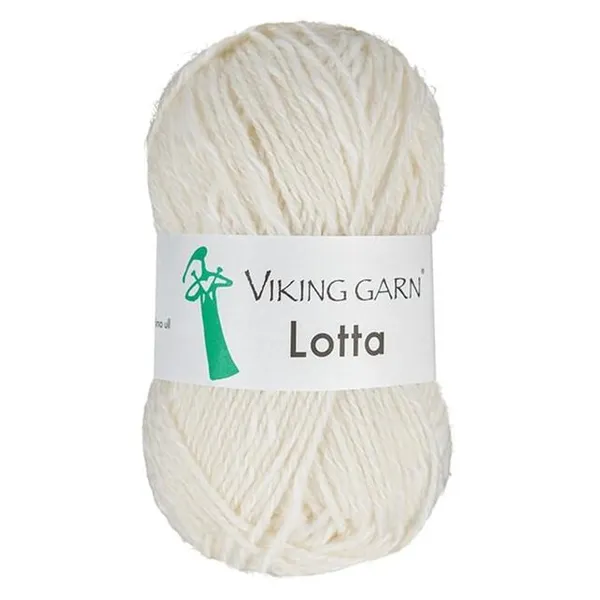
Viking of Norway
Viking Garn Lotta
57% merino · 43% cotton
- 22
- sts / 10 cm
- 220
- m/100g
- 3.5–4
- mm
Questions about cotton yarn
Care, gauge and substitution tips for cotton, combined with live data from our catalogue.
What is mercerised cotton yarn?+
It is cotton treated to alter the fibre structure, commonly producing a smoother, more lustrous result with improved dye uptake. It is still cotton. Mercerisation does not by itself specify yarn thickness, softness or the right washing temperature.
Is cotton yarn suitable for knitting as well as crochet?+
Yes. Cotton can be used for both, but the construction should suit the project. A firm crochet cotton may feel different from a soft cotton intended for garments, even when both labels say 100% cotton.
Will a cotton sweater stretch or shrink?+
It can change dimensions with wear and laundering, depending on the yarn, stitch pattern and care. Wash a generous swatch, record its dimensions and assess its weight and drape. Avoid assuming that every cotton yarn behaves identically.
Can I use cotton instead of wool at the same gauge?+
Matching gauge helps with sizing, but cotton generally gives less elastic recovery. Check the resulting ribbing, garment weight and fit. A cotton or cotton-blend substitute works best when the fabric suits the design as well as the stitch count.