
Cashmere yarn
Fine goat undercoat for soft yarns and carefully chosen blends
- Goat undercoat
- Fine animal fibre
- Dehaired fibre
- Pure and blended yarns
- Soft garment options
Cashmere yarn is made from the fine undercoat of cashmere goats. It is chosen for softness and light insulation, particularly in scarves, hats and garments worn close to the skin. The name identifies a specific animal fibre, not a guarantee that every yarn has the same construction or durability. Fibre length, fineness, spinning and the proportion of cashmere in a blend all affect what you can expect from the finished piece.
Read more about cashmere →Show less
A fine undercoat with Asian origins
The name cashmere is linked to Kashmir, but the fibre is produced across several parts of Asia. The fine undercoat is distinct from the goat's coarser guard hairs. Collection can involve combing during seasonal moulting or shearing, followed by sorting, cleaning and dehairing before spinning.
Dehairing removes the coarser material so the fine fibre can be used in textiles. The limited undercoat available from each animal and the work needed to prepare it help explain cashmere's position as a higher-priced yarn ingredient. A cashmere blend can offer some of its character while having a different balance of cost, surface and fabric weight.
Softness and wear need to be considered together
Fineness influences handle, while fibre length and the way a yarn holds its fibres affect its tendency to pill. Softness in the skein is therefore not the whole quality assessment. Look at the named yarn's structure and intended use, especially for a garment exposed to frequent rubbing.
For substitution, compare the complete blend rather than treating a small cashmere percentage as equivalent to pure cashmere. Silk can change lustre and drape; wool or other components change the balance again. Sample the intended stitch pattern and wash using the specified method before measuring. For a fitted garment, check recovery and whether the fabric feels stable enough at the required gauge. A slightly firmer fabric may suit some designs better than the loosest fabric the yarn can produce.
- Yarns
- 57
- 12 pure (≥90 %)
- Gauge
- 11–32
- sts / 10 cm
- Needles
- 2–9 mm
- Typical length
- 300 m
- per 100 g
Often blended with
Brands with cashmere yarns
All cashmere yarns
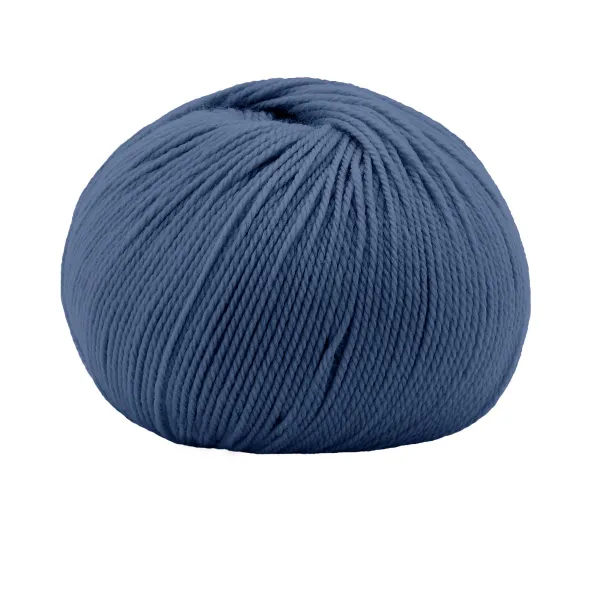
Lana Gatto
Lana G. VIP
80% merino · 20% cashmere
- —
- sts / 10 cm
- 400
- m/100g
- —
- mm
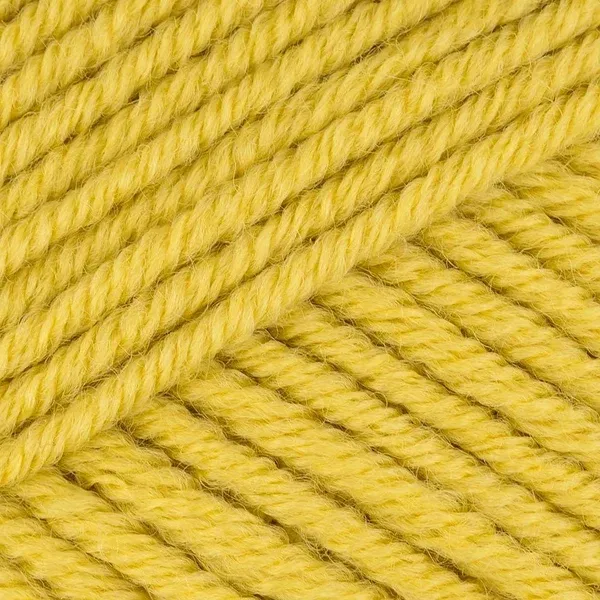
Debbie Bliss
Baby Cashmerino
55% merino · 33% acrylic · 12% cashmere
- 25
- sts / 10 cm
- 250
- m/100g
- 3.25
- mm
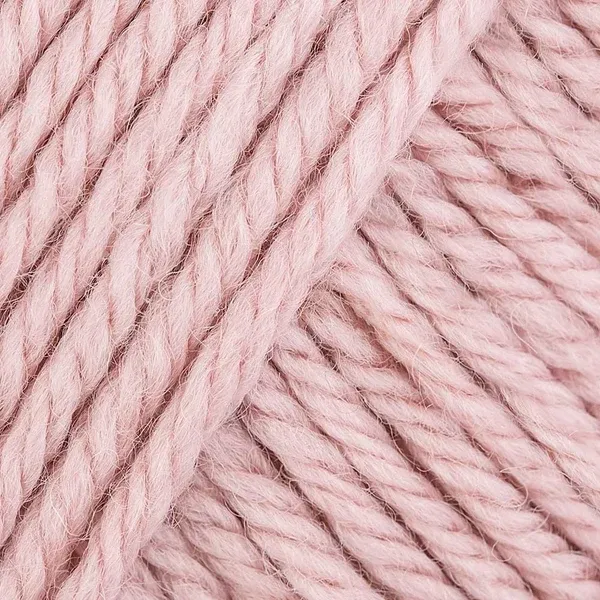
Debbie Bliss
Cashmerino Aran
55% merino · 33% acrylic · 12% cashmere
- 18
- sts / 10 cm
- 180
- m/100g
- 5
- mm
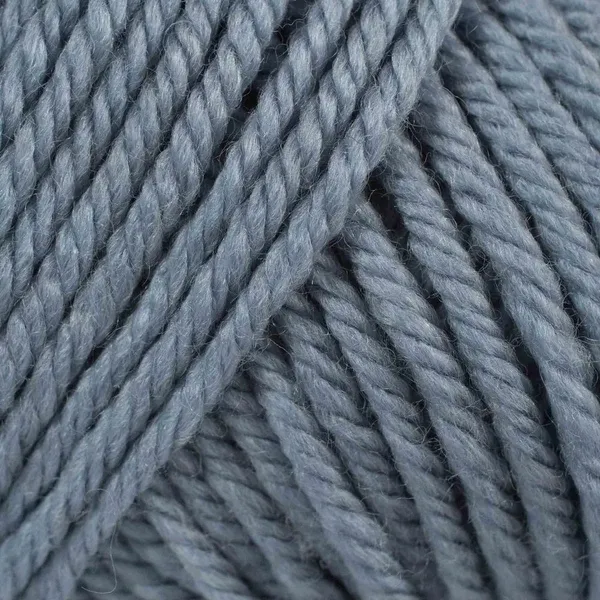
Debbie Bliss
Cashmerino DK
55% merino · 33% acrylic · 12% cashmere
- 22
- sts / 10 cm
- 220
- m/100g
- 4
- mm
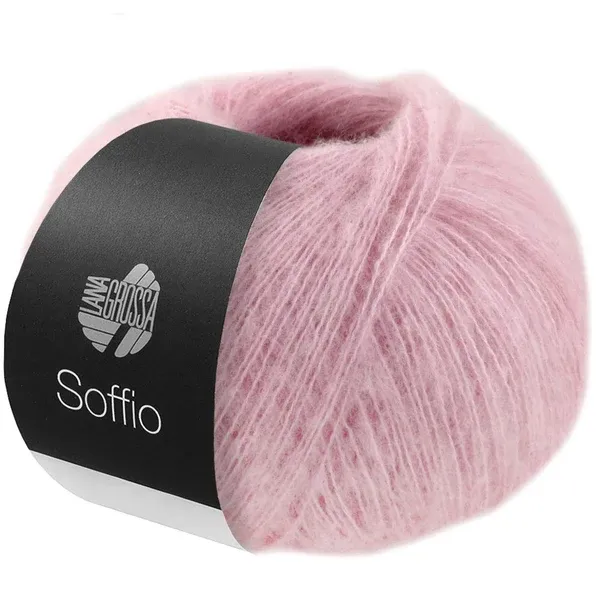
Lana Grossa
Soffio
60% merino · 30% cotton · 10% cashmere
- 29
- sts / 10 cm
- 860
- m/100g
- 3.5–4
- mm
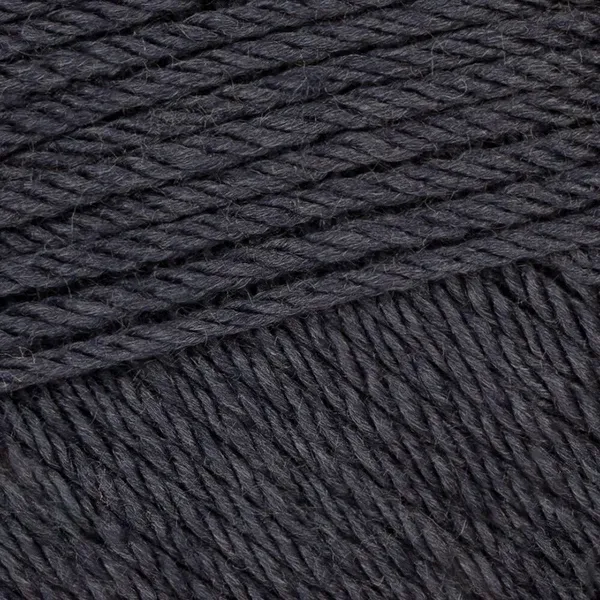
Rowan
Baby Cashsoft Merino
57% wool · 33% acrylic · 10% cashmere
- 25
- sts / 10 cm
- 260
- m/100g
- 3.25
- mm
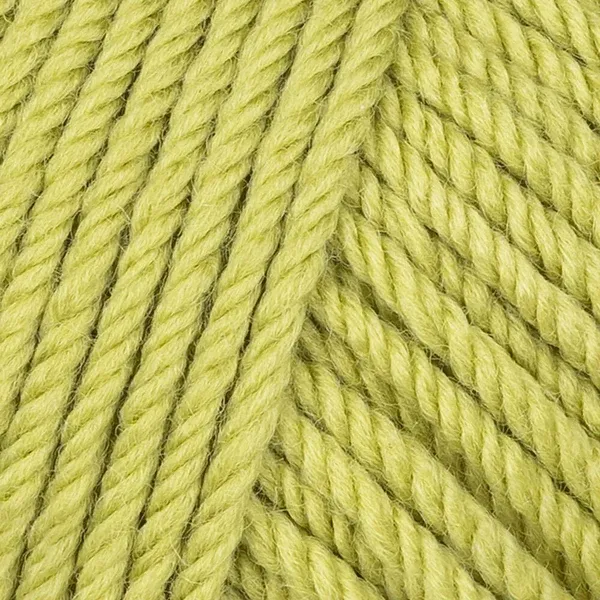
Debbie Bliss
Cashmerino Chunky
55% wool · 33% acrylic · 12% cashmere
- 15
- sts / 10 cm
- 130
- m/100g
- 6
- mm
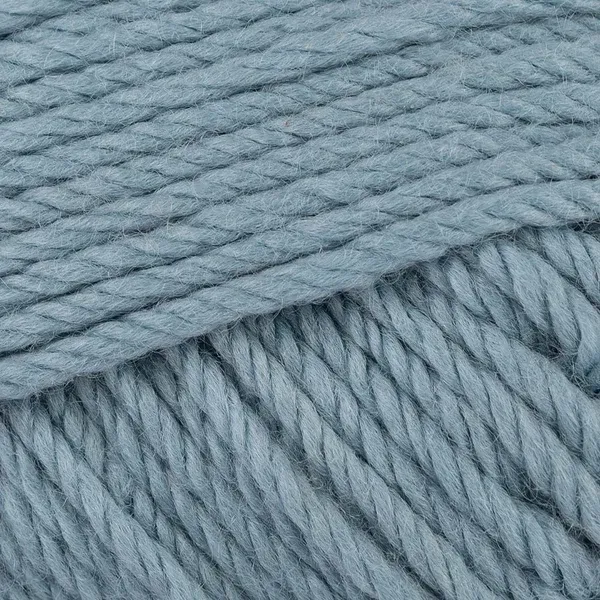
Rowan
Baby Cashsoft Worsted
57% merino · 33% acrylic · 10% cashmere
- 17
- sts / 10 cm
- 150
- m/100g
- 5
- mm
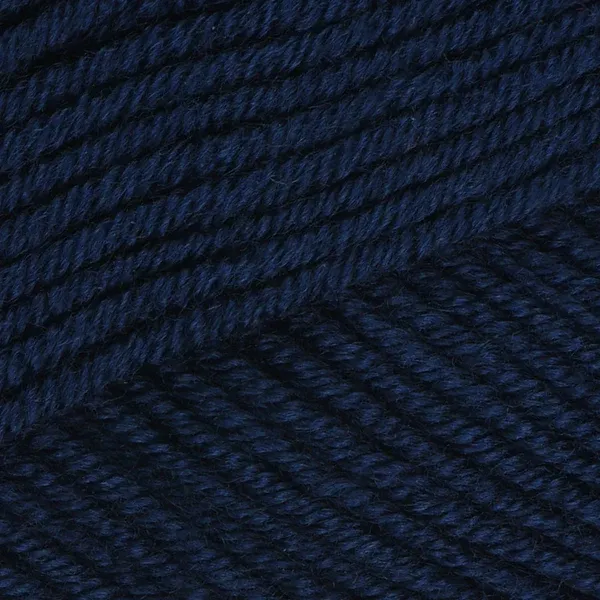
Ella Rae
Cashmereno Sport
55% merino · 12% cashmere
- 23
- sts / 10 cm
- 250
- m/100g
- 3.25
- mm
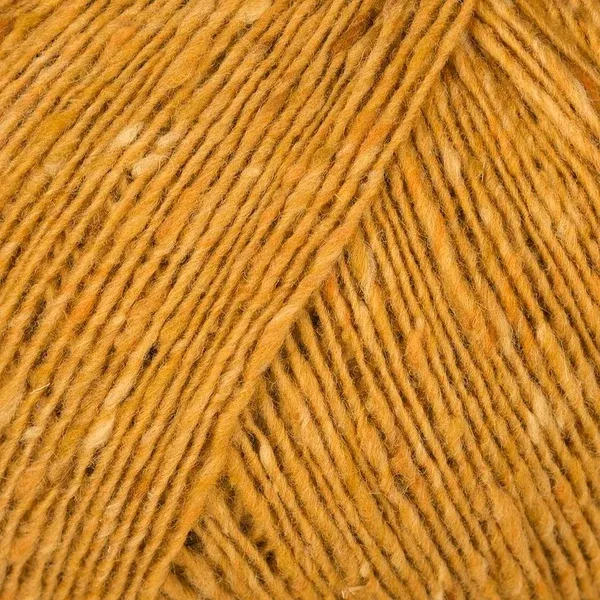
Debbie Bliss
Fine Donegal 50g
95% wool · 5% cashmere
- 26
- sts / 10 cm
- 380
- m/100g
- 3.25
- mm
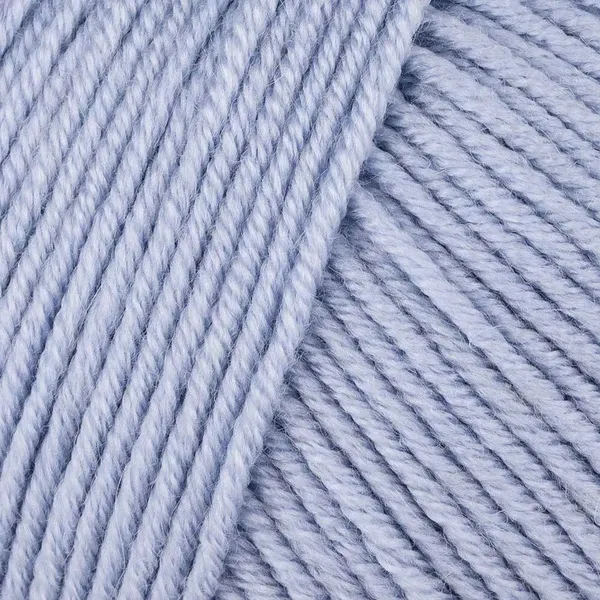
Sirdar Snuggly
Cashmere Merino DK
75% merino · 20% silk · 5% cashmere
- 28
- sts / 10 cm
- 340
- m/100g
- 3.25
- mm
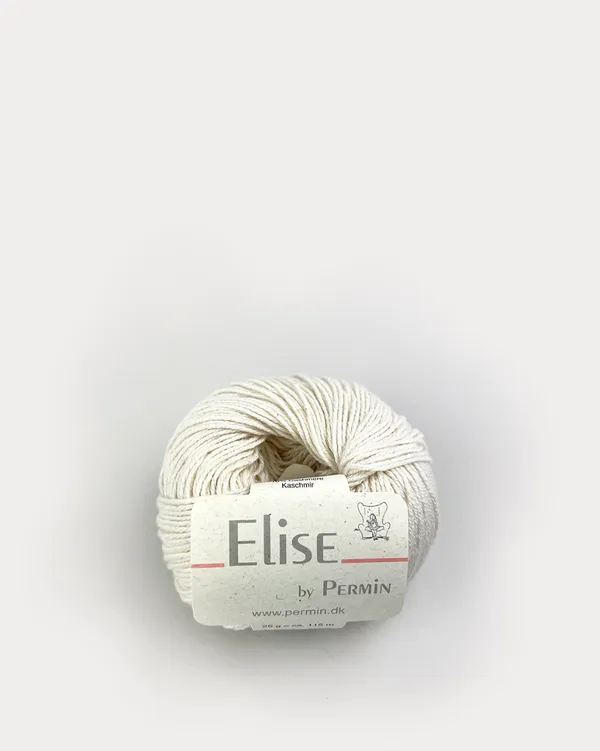
Permin
Elise by Permin
90% cotton · 10% cashmere
- 26
- sts / 10 cm
- 104
- m/100g
- 3
- mm
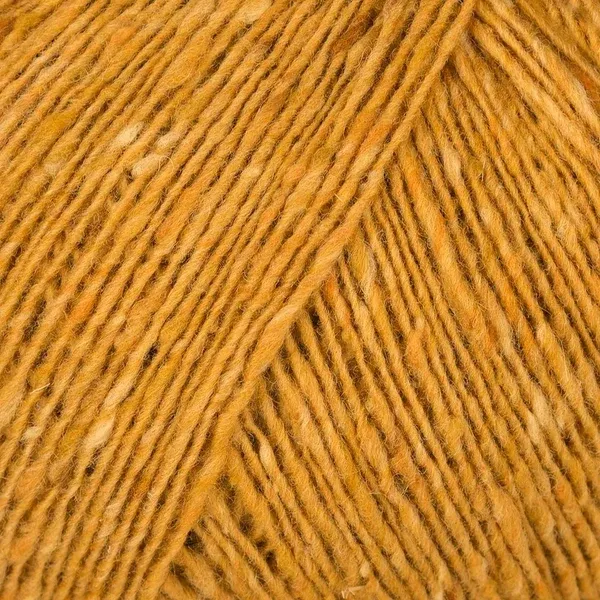
Debbie Bliss
Fine Donegal
95% wool · 5% cashmere
- 26
- sts / 10 cm
- 380
- m/100g
- 3.25
- mm
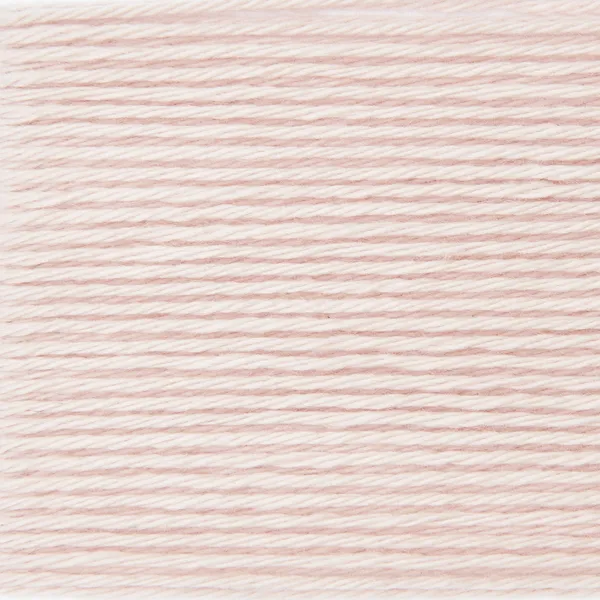
Rico Design
Baby Cozy Organic Cotton Cashmere
90% cotton · 10% cashmere
- 25
- sts / 10 cm
- 290
- m/100g
- 3.5
- mm
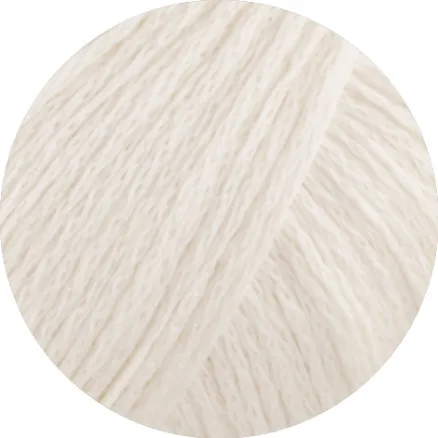
Lana Grossa
Summer Cashmere
90% cotton · 10% cashmere
- 23
- sts / 10 cm
- 420
- m/100g
- 3.75
- mm
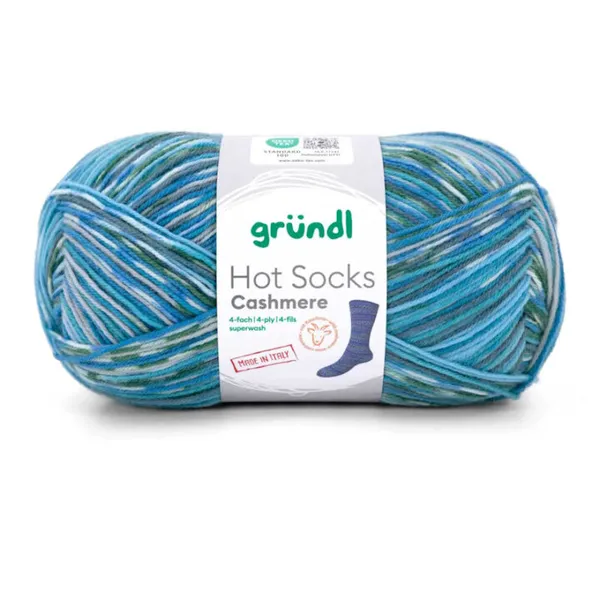
Gründl
Hot Sock Cashmere - strømpegarn
75% merino · 20% nylon · 5% cashmere
- 30
- sts / 10 cm
- 420
- m/100g
- 2.5–3
- mm
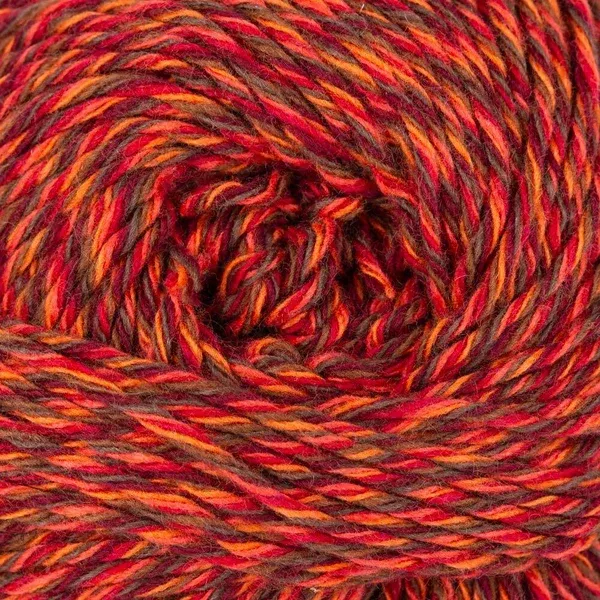
Valley Yarns
Savoy
35% viscose · 30% wool · 30% nylon · 5% cashmere
- 20
- sts / 10 cm
- 250
- m/100g
- 4.5
- mm

Sirdar Snuggly
Cashmere Merino Silk 4 Ply
75% merino · 20% silk · 5% cashmere
- 28
- sts / 10 cm
- 340
- m/100g
- 3.25
- mm
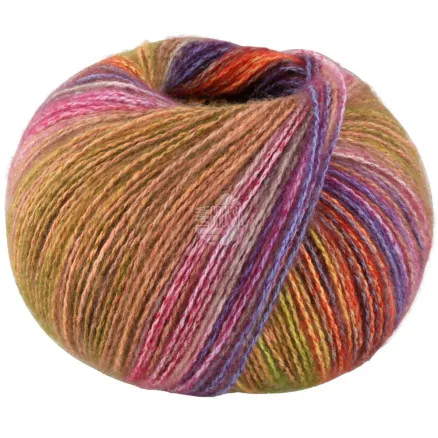
Lana Grossa
Gianna
80% cotton · 15% merino · 5% cashmere
- 23
- sts / 10 cm
- 360
- m/100g
- 4
- mm
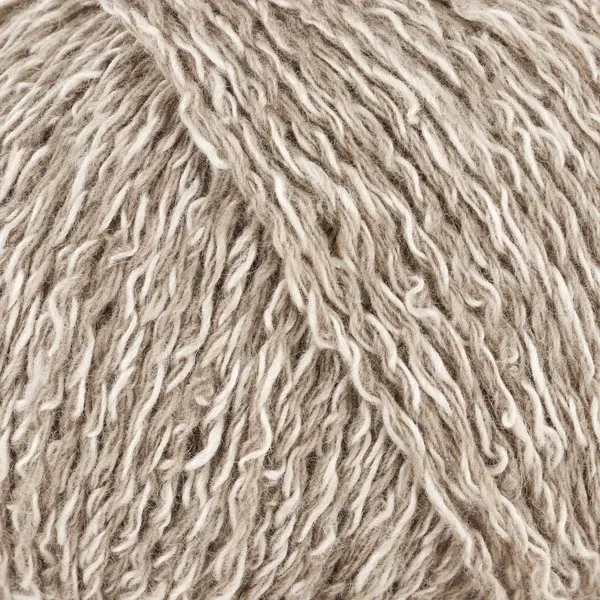
String
Amalfi
39% viscose · 25% wool · 22% silk · 14% cashmere
- 18
- sts / 10 cm
- 330
- m/100g
- 4
- mm
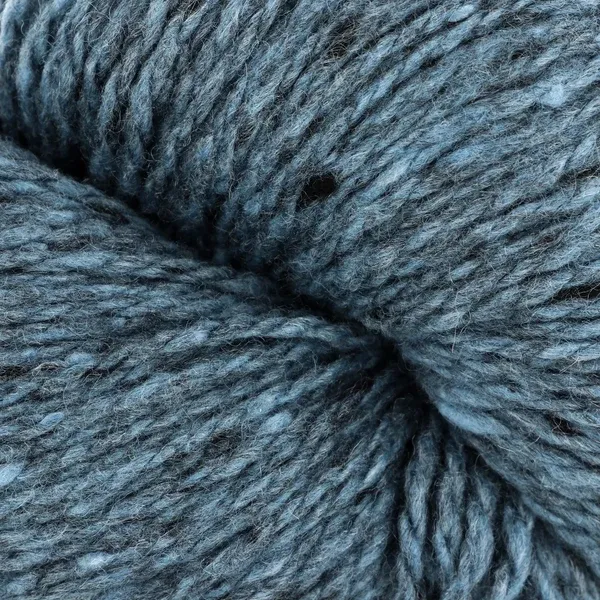
Queensland Collection
Kathmandu Aran 100
85% merino · 10% silk · 5% cashmere
- 18
- sts / 10 cm
- 190
- m/100g
- 5
- mm
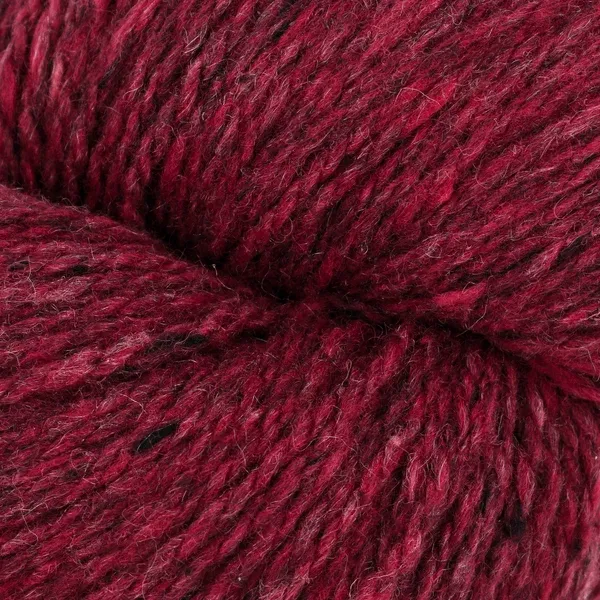
Queensland Collection
Kathmandu DK 100
85% merino · 10% silk · 5% cashmere
- 24
- sts / 10 cm
- 270
- m/100g
- 3.75
- mm
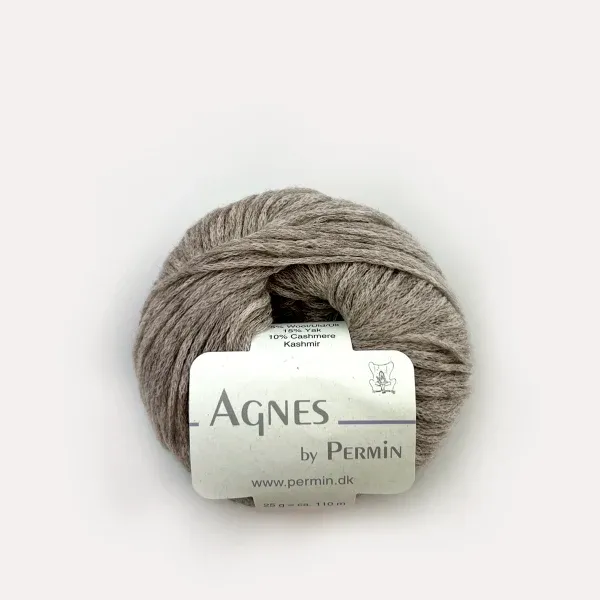
Permin
Agnes by Permin
75% merino · 15% yak · 10% cashmere
- 22
- sts / 10 cm
- 440
- m/100g
- 5
- mm
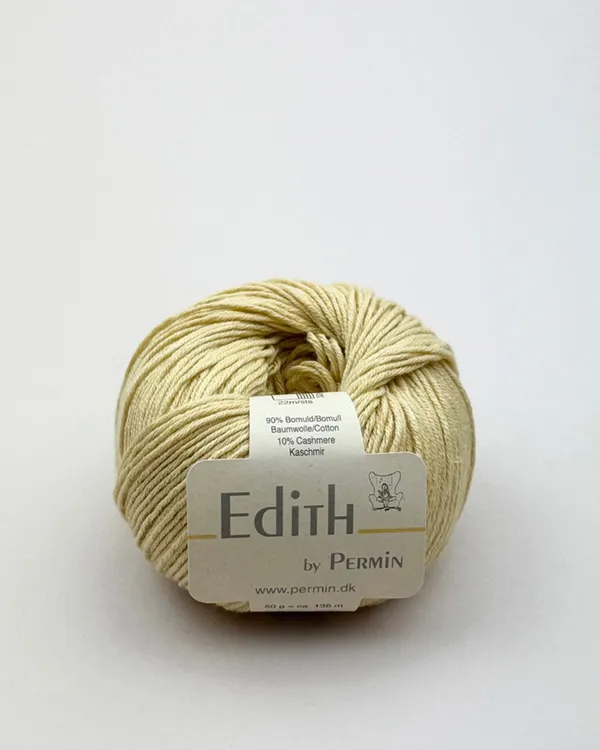
Permin
Edith
90% cotton · 10% cashmere
- 22
- sts / 10 cm
- 270
- m/100g
- 3.5
- mm
Questions about cashmere yarn
Care, gauge and substitution tips for cashmere, combined with live data from our catalogue.
Does cashmere come from sheep?+
No. It comes from the fine undercoat of cashmere goats. Sheep's wool, mohair and yak are separate animal fibres, even when products share a soft feel or appear together in a blend.
Why can cashmere yarn be expensive?+
Each goat supplies a limited amount of fine undercoat, which must be collected and separated from coarser hairs before spinning. Fibre quality, processing and the yarn's cashmere percentage also influence price.
Is cashmere guaranteed not to pill?+
No. Fibre length, yarn construction, stitch density and friction affect pilling. Compare the yarn's specifications and intended use rather than assuming that a high price or a soft feel guarantees a pill-free garment.
Can Merino replace cashmere in a pattern?+
It may give a useful alternative if the sample matches the required gauge and fabric. Expect possible changes in softness, surface and drape. For a cashmere blend, consider the role of its other fibres before choosing a pure Merino replacement.