
Acrylic yarn
Manufactured fibre for lofty yarns, colourful projects and practical blends
- Synthetic fibre
- Animal-free fibre
- Lofty constructions
- Blankets and garments
- Acrylic blends
Acrylic yarn is a manufactured fibre used in knitting and crochet for blankets, garments and home accessories. It is available in smooth plied yarns, lofty constructions and blends, offering a wide range of textures rather than one standard feel. Acrylic is an animal-free fibre, although a yarn containing acrylic can also contain wool or another animal fibre. Read the full composition if that distinction matters to your project.
Read more about acrylic →Show less
How acrylic became a textile fibre
Acrylic belongs to the family of synthetic polymer fibres. Its technical identity is based on a high proportion of acrylonitrile units in the polymer, separating it from polyester and nylon. CIRFS records the introduction of commercial acrylic fibres in 1948, placing it among the materials that expanded textile choices during the twentieth century.
The polymer is formed into fibres, then processed to develop properties such as crimp and loft. Those properties help explain acrylic's use in knitted clothing and blankets. The resulting yarn can be bulky and airy or relatively compact, depending on how it is made. Fibre content alone does not specify softness, thickness or stitch definition.
Choosing acrylic for the actual project
Many acrylic handcraft yarns are designed for convenient laundering, but the label remains the source for the correct wash and dry settings. A blended yarn may require a different routine from a pure acrylic one. Check finishing instructions before ironing or steaming; care and blocking methods suitable for one material should not automatically be transferred to another.
When replacing wool with acrylic, assess the washed fabric rather than comparing the skeins only. The substitute may match stitch gauge yet differ in surface, drape and recovery. For a blanket, decide whether you want a firm stitch pattern or a loose, soft fabric. For a garment, check row gauge and the way seams and ribbing behave. Calculate the required total length from the pattern's original yarn, then allow for your sample and any changes to the design.
- Yarns
- 48
- 26 pure (≥90 %)
- Gauge
- 11–26
- sts / 10 cm
- Needles
- 2.5–8 mm
- Typical length
- 236 m
- per 100 g
Often blended with
Brands with acrylic yarns
All acrylic yarns
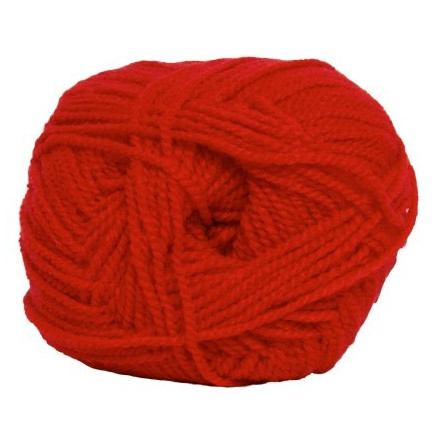
Hjertegarn
Perle Acryl
100% acrylic
- 26
- sts
- 400
- m/100g
- 3
- mm
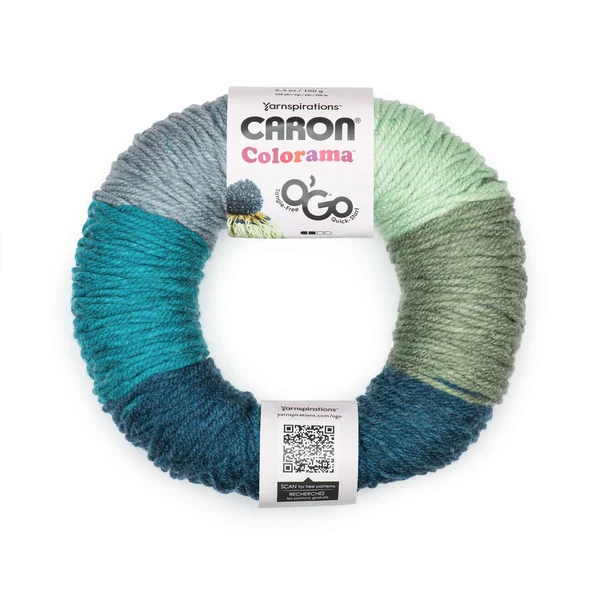
Caron
Colorama O'Go
100% acrylic
- 13
- sts
- 116
- m/100g
- 6
- mm
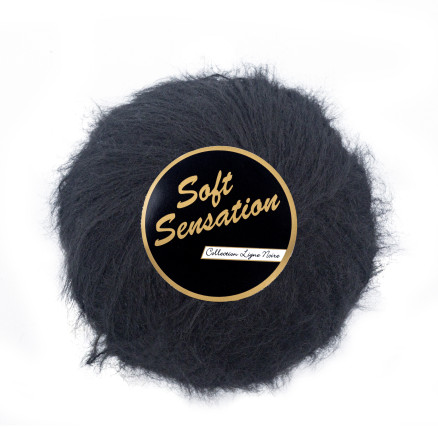
Lammy Yarns
Lammy Soft Sensation
76% acrylic · 24% polyester
- 22
- sts
- 800
- m/100g
- 5
- mm

Lammy Yarns
Lammy Angela
80% acrylic · 20% wool
- 24
- sts
- 500
- m/100g
- 4
- mm
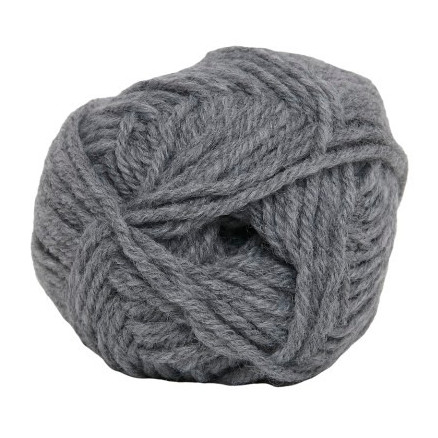
Hjertegarn
Deco
80% acrylic · 20% wool
- 21
- sts
- 224
- m/100g
- 4
- mm

Caron
Colorama Halo Yarn (227g/8oz)
71% acrylic · 18% nylon · 11% polyester
- 15
- sts
- 194
- m/100g
- 6
- mm

Järbo
Junior
70% acrylic · 30% nylon
- 24
- sts
- 336
- m/100g
- 4
- mm
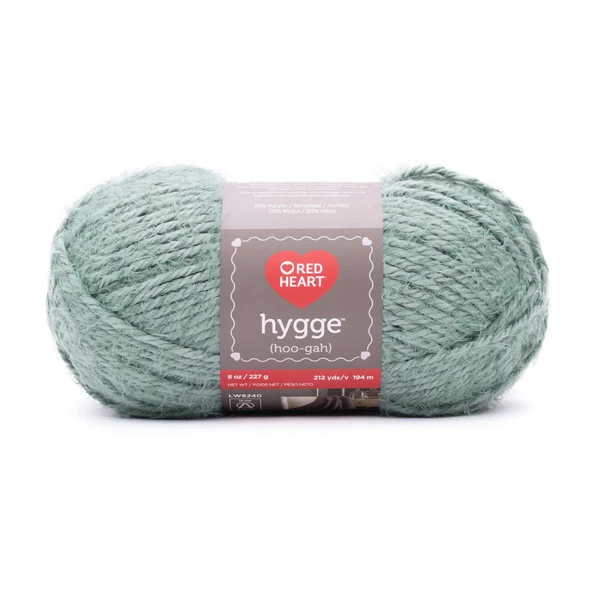
Red Heart
Hygge Yarn (227g/8oz)
70% acrylic · 30% nylon
- 13
- sts
- 86
- m/100g
- 7
- mm
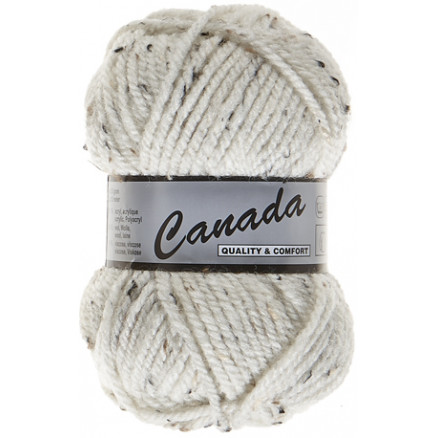
Lammy Yarns
Lammy Canada
60% acrylic · 40% wool
- 18
- sts
- 170
- m/100g
- 4
- mm
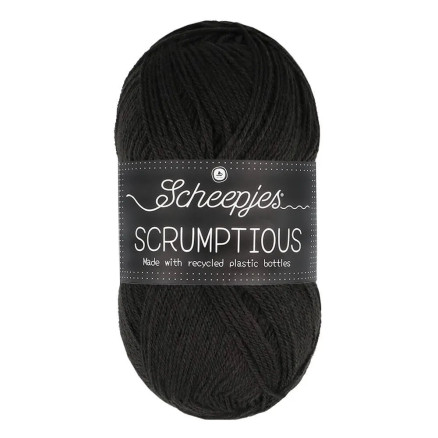
Scheepjes
Scrumptious
50% acrylic · 50% polyester
- 24
- sts
- 300
- m/100g
- 4
- mm

Scheepjes
Namaste
50% wool · 50% acrylic
- 12
- sts
- 85
- m/100g
- 8
- mm
Järbo
Fuga
50% wool · 50% acrylic
- 20
- sts
- 242
- m/100g
- 4
- mm
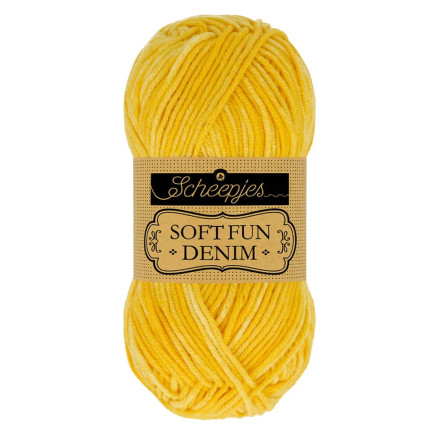
Scheepjes
Softfun
60% cotton · 40% acrylic
- 21
- sts
- 280
- m/100g
- 4
- mm
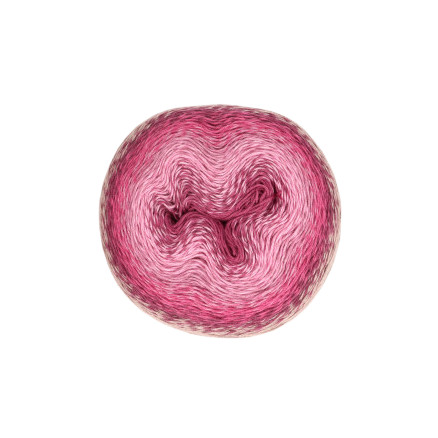
Scheepjes
Whirl
60% cotton · 40% acrylic
- 25
- sts
- 444
- m/100g
- 4
- mm
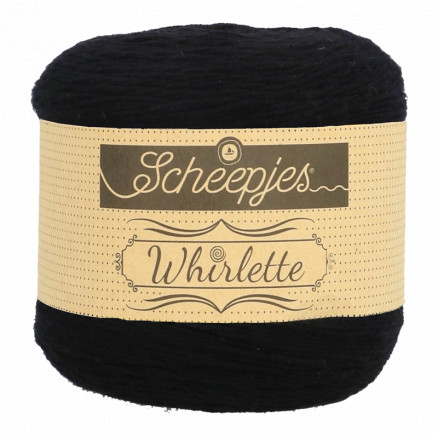
Scheepjes
Whirlette
60% cotton · 40% acrylic
- 25
- sts
- 455
- m/100g
- 4
- mm

Viking of Norway
Viking Garn Norgesraggen
40% wool · 40% acrylic · 20% nylon
- 23
- sts
- 200
- m/100g
- 4
- mm
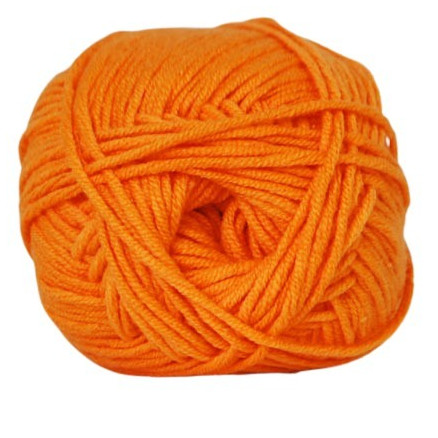
Hjertegarn
Roma
60% cotton · 40% acrylic
- 20
- sts
- 250
- m/100g
- 4
- mm
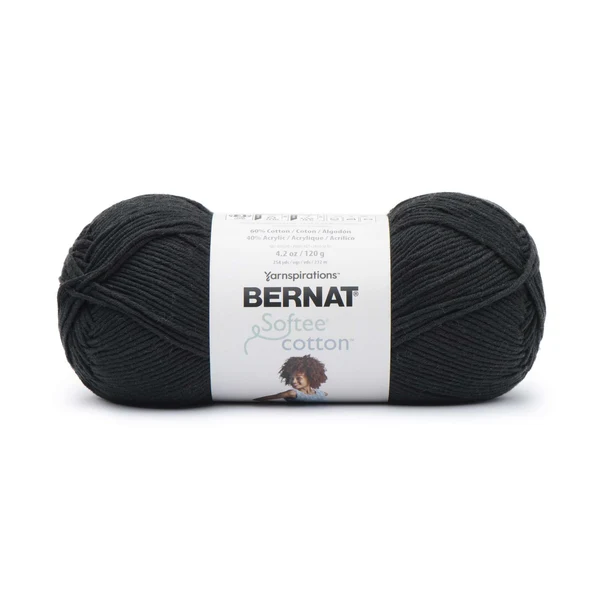
Bernat
Softee Cotton
60% cotton · 40% acrylic
- 22
- sts
- 193
- m/100g
- 4
- mm
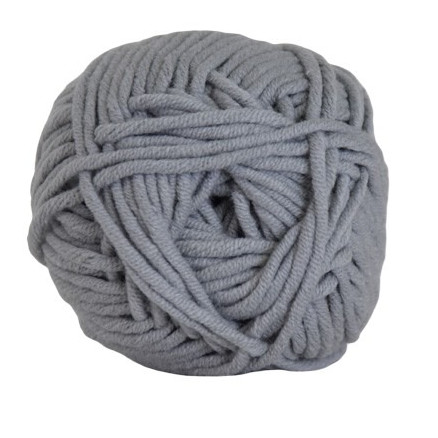
Hjertegarn
Soon
60% cotton · 40% acrylic
- 15
- sts
- 160
- m/100g
- 5
- mm
Järbo
Elise Garn Unicolor 69222 Limegrøn
60% cotton · 40% acrylic
- 23
- sts
- 315
- m/100g
- 4
- mm

Scheepjes
Stone Washed Minerals
70% cotton · 30% acrylic
- 19
- sts
- 150
- m/100g
- 5
- mm
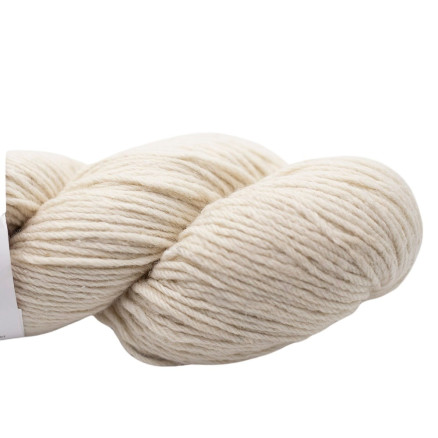
Kremke Soul Wool
Reborn Wool Recycled
65% wool · 25% acrylic · 10% nylon
- 18
- sts
- 400
- m/100g
- 5
- mm
Viking of Norway
Viking Garn Sportsragg
60% wool · 20% nylon · 20% acrylic
- 23
- sts
- 200
- m/100g
- 4
- mm

Scheepjes
River Washed
78% cotton · 22% acrylic
- 24
- sts
- 260
- m/100g
- 3
- mm
Questions about acrylic yarn
Care, gauge and substitution tips for acrylic, combined with live data from our catalogue.
Is acrylic the same fibre as polyester?+
No. Acrylic and polyester are different synthetic polymer fibres. Both can appear in knitting yarn, but a matching synthetic-fibre description does not make them interchangeable in texture, construction or care.
Is acrylic yarn animal-free?+
Acrylic fibre itself is manufactured without being an animal fibre. An acrylic blend can still contain wool, alpaca or another animal material. Check every component rather than relying on acrylic appearing in the product name.
Can acrylic yarn be machine washed and dried?+
Many products allow this, but follow the named yarn's instructions. For example, the Super Saver acrylic range includes machine-washable products. That does not establish the same care routine for every acrylic yarn or blend.
Can acrylic replace wool in a knitting pattern?+
Often, if the washed sample gives the intended fit and fabric. Compare gauge, drape, recovery and surface texture. A replacement for a fitted wool garment needs closer checking than a project where a small change in dimensions is acceptable.