
Noro
Japanese yarns shaped by Eisaku Noro's approach to natural fibres and colour.
- Japanese yarn heritage
- Created by Eisaku Noro
- Changing colour sequences
- Kureyon wool yarn
- Silk Garden collection
About Noro yarn
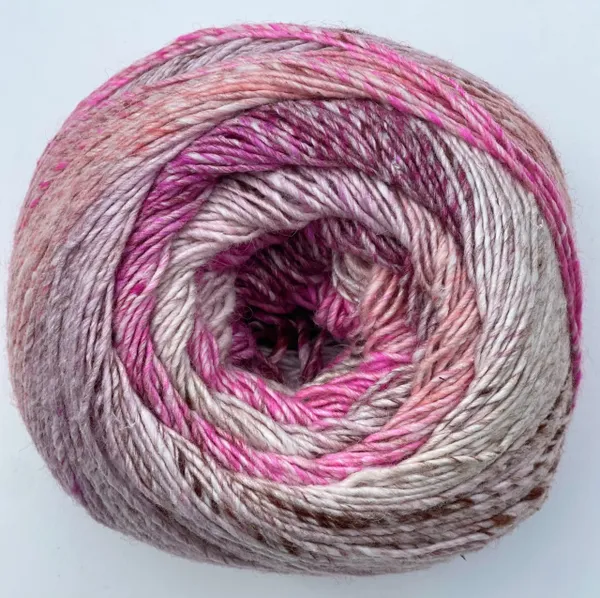
Noro is a Japanese yarn name closely associated with changing colours and visibly natural textures. Its yarns often move through combinations of shades that become a major feature of the finished fabric. Even a straightforward scarf or sweater can show complex colour without switching between separate balls.
Read more about Noro →Show less
Kureyon and Silk Garden illustrate two sides of the collection. Kureyon is a wool yarn, while Silk Garden combines silk, kid mohair and wool. The shared colour identity does not make them the same material: their surfaces and handling need to be considered separately.
Eisaku Noro and the natural world
Founder Eisaku Noro built the collection around inspiration from nature. In the brand's account, landscapes and the many shades within leaves, flowers and other natural forms influence the way colours are combined. His approach also values the original character of fibres rather than making every strand perfectly uniform.
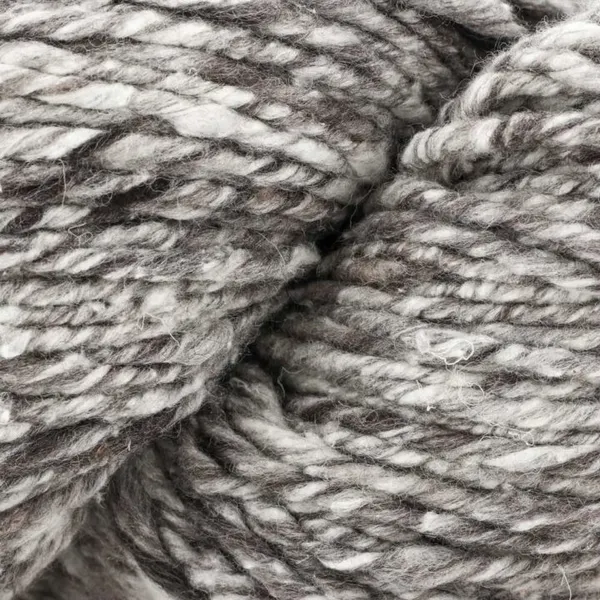
The production story describes gentle handling and relatively low twist, which can leave variations in thickness visible. That character is part of the yarn's intended appearance. Kureyon's long history within the collection is documented by its thirtieth anniversary in 2018, distinct from the history of the company itself.
Working with colour sequences
Noro rewards a close look at how colour develops in the actual fabric. Short rows, narrow sleeves and a wider body can show different bands from the same yarn. The direction of knitting or crochet also changes the appearance of a colour sequence.
When choosing a substitute, decide whether fibre, texture or colour progression matters most to the design. Another multicolour yarn may have a different repeat length or a smoother surface. A solid replacement can suit the shape while changing the visual effect substantially. Swatch in the intended stitch pattern, compare the washed fabric and follow the product's care label. If you want particular colours placed together, plan that choice before joining a new ball rather than assuming every ball begins at the same point.
- Fiber mix
- silk26%cotton21%viscose15%mohair14%
- Price per skein
- DKK 295.00
- yarn lines
- 1
- Needles
- 4.5–5.5 mm
- Typical gauge
- 18–18sts / 10 cm
Where to buy
Kreativgarn
1 yarns
All Noro yarns
Questions about Noro
Washing, weights, natural fibres and substitutes — answers drawn from the Noro yarns in our catalogue.
Who created Noro yarn?+
Eisaku Noro created the brand's approach to colour and natural fibres. Its official story describes nature as an influence on both the palettes and the yarns' intentionally varied textures.
What is the difference between Noro Kureyon and Silk Garden?+
Kureyon is 100% wool. The Silk Garden product page lists 45% silk, 45% kid mohair and 10% wool. They have different fibre compositions despite sharing Noro's recognisable colour character.
Why can Noro yarn vary in thickness?+
The brand describes relatively gentle processing and low twist as part of its approach. In yarns with that construction, some unevenness is intentional and contributes to the surface of the knitted fabric.
Will another self-striping yarn reproduce a Noro pattern exactly?+
No. Colour repeat length, contrast, texture and project width influence the result. Match gauge and fibre behaviour, then assess the colour sequence in a sample. Even matching thickness will not guarantee identical bands.